
Long-term effects of azithromycin mass administration to reduce childhood mortality on Streptococcus pneumoniae antimicrobial resistance: a population-based, cross-sectional, follow-up carriage survey

Mass drug administration (MDA) of azithromycin (AZM), a common antibiotic used to reduce child mortality, may be contributing to the rise of antimicrobial resistance (AMR), according to a study led by researchers at UCL and published in The Lancet Infectious Diseases.
The research involved collaboration with multiple institutions, including the Malawi Liverpool Wellcome Programme and Yale University. It provides new insight into how large-scale antibiotic usage can impact bacterial populations over time.
The study examined 905 children in Malawi, comparing those who received AZM MDA with those given a placebo. Using genomic sequencing, researchers tracked changes in Streptococcus pneumoniae, a bacterium responsible for illnesses like pneumonia and meningitis.
Findings showed that azithromycin resistance rose from 21.7% to 32.1% in treatment areas—three and a half years after MDA concluded. Alarmingly, resistance was also observed among children born after the treatment had ended, indicating long-term effects on microbial communities.
Even in placebo regions, resistance increased from 21% to 30.9%, suggesting that resistant strains may be spreading across communities—likely due to cross-contamination and lack of containment measures.
Experts warn that while AZM MDA can reduce childhood deaths in high-mortality regions, indiscriminate antibiotic use can backfire, making once-treatable infections harder to manage. Researchers advocate for long-term genomic surveillance to detect resistance patterns and inform public health strategies.
“Our findings highlight the potential trade-offs between improving child survival and promoting antibiotic resistance,” said Dr. Akuzike Kalizang’oma from UCL.
Without timely detection, resistant strains can spread widely, compromising treatments for diseases like pneumonia, cholera, and typhoid—especially in settings with limited resources.
The World Health Organization conditionally recommended AZM MDA in 2020 for children aged 1–11 months in high-mortality areas. But this study raises concerns about the sustainability of such approaches.
As Professor Neil French from the University of Liverpool stated, “Antimicrobial resistance threatens the same vulnerable populations AZM seeks to protect. Efficient monitoring is vital to balancing short-term gains with long-term public health.”
Azithromycin MDA programmes offer immediate benefits in reducing child mortality, but unchecked usage risks undermining their own success. Genomic surveillance and informed intervention must become standard practice to ensure a future where antibiotics remain effective tools in the global health arsenal.
For more information: Kalizang’oma, A., et al. (2025). Long-term effects of azithromycin mass administration to reduce childhood mortality on Streptococcus pneumoniae antimicrobial resistance: a population-based, cross-sectional, follow-up carriage survey. The Lancet Infectious Diseases. doi.org/10.1016/S1473-3099(25)00212-9.

 Brain-Computer Interface Uses EEG in Unresponsive Patients
Key findings at a glance Mind-controlled.
 Gamma Oscillations Restored in Alzheimer’s Disease Mice
Key takeaways Researchers restored parvalbumin (PV).
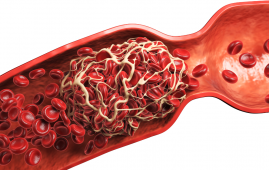 Coffee Consumption Linked to Lower Recurrent VTE Risk
Key points at a glance Study.
 Body Roundness Index Linked to Higher Heart Attack Risk
Key findings at a glance Study.
 Maternal Diet Fails to Reduce Infant Egg and Peanut Allergy
Key Points A large Australian randomized.
 Visual Impairment Linked to Higher Dementia Risk
Key findings at a glance A.
 Long-Acting HIV Treatment May Help Drug-Resistant Cases
Key Takeaways A UCSF study found.
 Night Shift Work Alters Key Circadian Gene Expression
A recent study published in Frontiers.
 Tirzepatide Weight Loss: Fat Mass and Muscle Findings
Key points Tirzepatide was associated with.
 Coffee and Gut Microbiome: Brewing and Metabolic Effects
Key Points Coffee contains caffeine, chlorogenic.
Leave a Comment