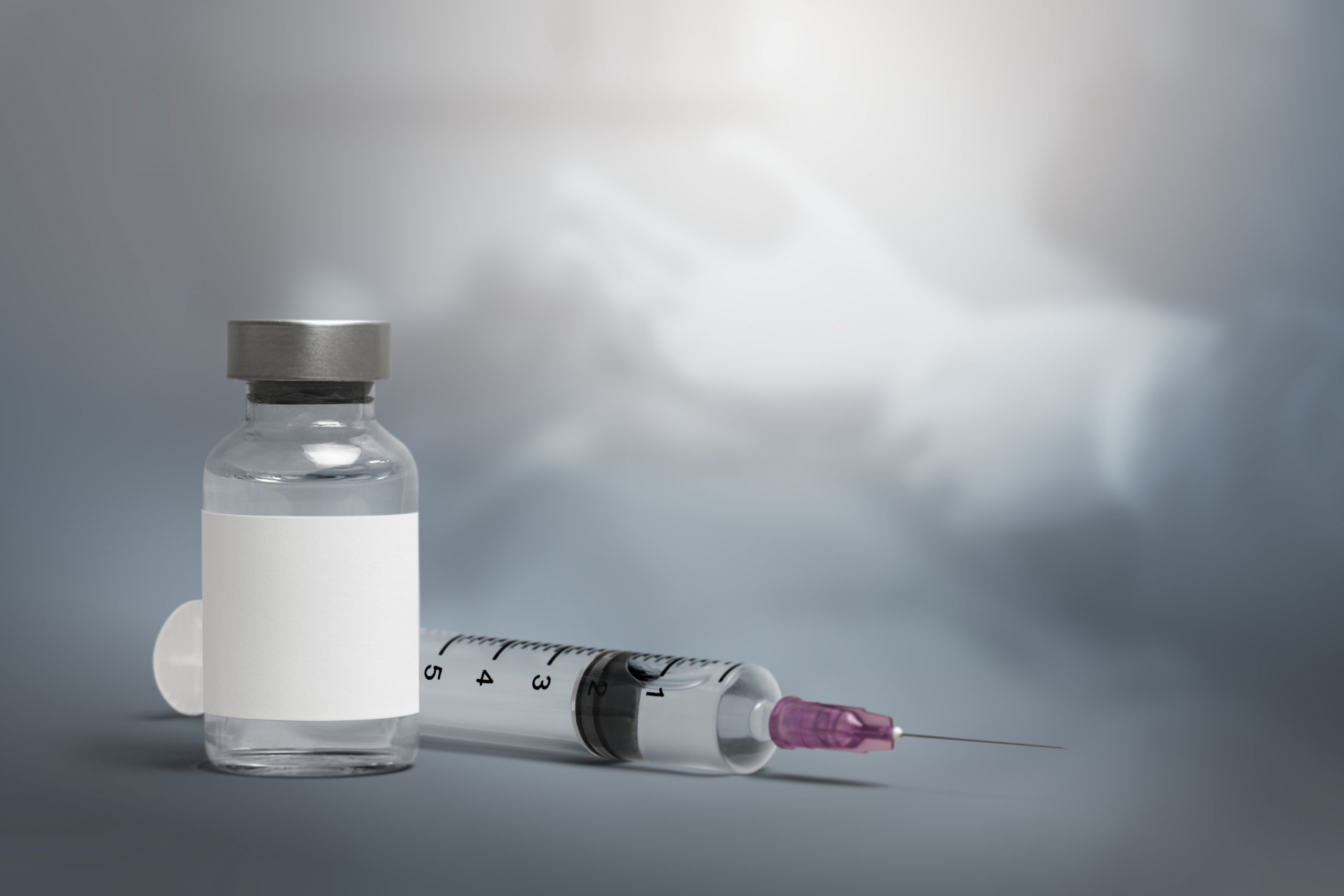
Image by rawpixel.com on Freepik

Cambridge scientists have discovered a blood pattern that could help predict how well aging immune cells respond to the vaccine. The study, which was published today in Nature Communications, could explain why, even within susceptible patient groups, some people respond better to immunizations than others.
During the COVID-19 pandemic, it became obvious that vaccination protects some people better than others. Many studies have found that SARS-CoV-2 vaccinations are less effective in persons with compromised immune systems, but this effect is not universal.
Vaccination involves preparing the immune cells to detect and eliminate invading organisms like viruses and bacteria. This includes, in part, promoting the development of antibodies that are specifically trained to recognize a specific invader. These antibodies are produced by a type of immune cell called a B cell.
Age-associated B cells (ABCs) are one type of B cell subpopulation. While less than one in every twenty B cells in a healthy person is an ABC, the proportion gradually increases as we age. The causes of this increase are unknown, however past infections may be a factor. ABCs build even quicker in those with compromised immune systems.
A team led by Dr. James Thaventhiran from the Medical Research Council (MRC) Toxicology Unit at the University of Cambridge examined ABCs from two very different patient groups—one of people with an inherited condition that impairs the activity of their immune cells and the other of cancer patients taking immunotherapy drugs—as well as from healthy individuals.
Emily Horner, from Thaventhiran’s lab, explained the aim of this research, “By looking at patients’ B cells, we hoped to learn how we could stratify vulnerable patients—in other words, work out whether some patients were at greater risk from infection, even after vaccination, than others.”
The researchers compared the amount of ABCs to healthy B cells and utilized a technique known as single cell RNA sequencing to examine cell activity in detail. They also collaborated with Dr. Nicholas Matheson of the Cambridge Institute of Therapeutic Immunology and Infectious Disease to see how these factors affected a vaccinated person’s immune system’s ability to combat live SARS-CoV-2 virus.
Dr. Juan Carlos Yam-Puc, also from the MRC Toxicology Unit, said, “What we found, much to our surprise, was that the age-associated B cells in these very different groups looked the same. The key difference was in the amount of these cells—the greater the proportion of ABCs in an individual’s blood, the less effective that individual was post-vaccination at neutralizing the virus.”
This could help explain the variation in vaccine responses reported within specific patient groups: those with fewer ABCs are more likely to respond well to immunizations.
Although the researchers evaluated ABCs in the context of SARS-CoV-2 vaccine responses, they feel that this phenomena will almost probably apply more broadly, such as the annual influenza vaccine.
Dr. Pehuén Pereyra Gerber, who performed the experiments with live SARS-CoV-2 virus in Matheson’s lab, added, “Looking at blood levels of ABCs could tell us that person A should respond well to a vaccine, while person B might need a stronger vaccine or to be prioritized to receive a booster.”
Thaventhiran added, “Ultimately, this research could lead to the development of a clinical test to predict vaccine efficacy for immunodeficient patients, and for the population more generally.”

 Night Shift Work Alters Key Circadian Gene Expression
A recent study published in Frontiers.
 Tirzepatide Weight Loss: Fat Mass and Muscle Findings
Key points Tirzepatide was associated with.
 Coffee and Gut Microbiome: Brewing and Metabolic Effects
Key Points Coffee contains caffeine, chlorogenic.
 Low-Dose Radiation Therapy Shows Promise in Early Knee OA
Key Points Low-dose radiation therapy was.
 Oral Hormone Replacement Therapy Raises Blood Clot Risk
Key Points Oral hormone replacement therapy.
 GLP-1 Health Information: Quality, Completeness, & Engagement
Key Points A study assessed 128.
 DNA Damage Response May Drive Biological Aging
Key Points Chronic DNA damage response.
 Maternal Diet Fails to Reduce Infant Egg and Peanut Allergy
Key Points A large Australian randomized.
 Psychedelic-Assisted Psychotherapy: Music in Treatment
Key Takeaways Psychedelic-assisted psychotherapy combines psychedelic.
 Cardiovascular Frailty Links Heart Health and Aging
Key Points Cardiovascular frailty may connect.
Leave a Comment