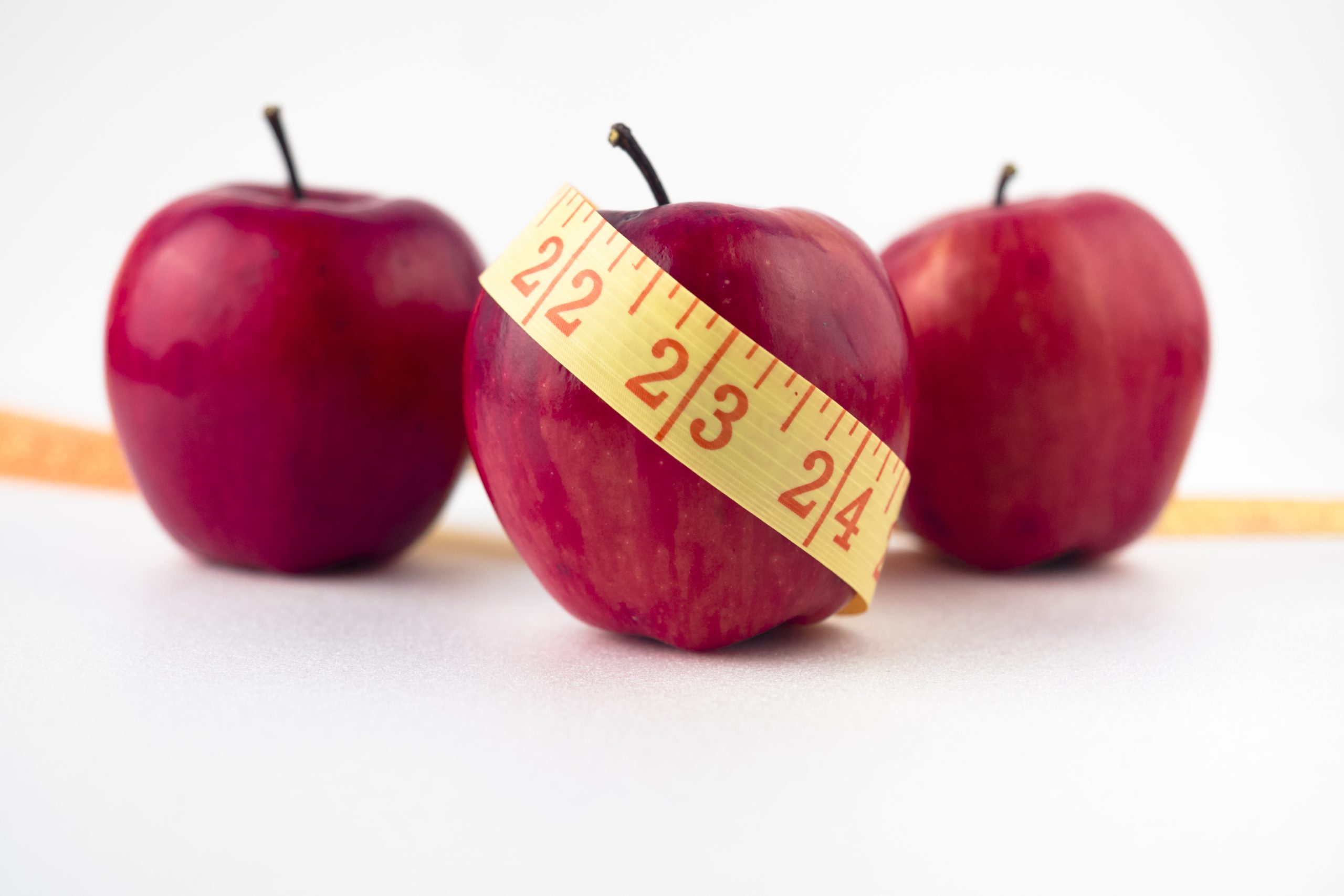
Image by Freepik

A daily apple may keep the doctor away, but having an apple shape isn’t quite as healthy. Researchers from Japan have discovered that persons who carry their weight in their bellies are more likely to have poor results if they have COVID-19. Researchers from Tokyo Medical and Dental University (TMDU) discovered that obesity is associated with increased inflammation and death in Japanese COVID-19 patients in a study published last month in Proceedings of the National Academy of Sciences.
Some COVID-19 patients undergo a potentially fatal occurrence known as a “cytokine storm,” which involves significant inflammation that impairs breathing and leads to death. Although it is impossible to anticipate which people may be affected by this event, established risk factors include high blood pressure, diabetes, kidney disease, and obesity.
“While treating patients with COVID-19, we noticed that obese patients with predominantly abdominal fat tended to experience more severe disease courses and worse outcomes (A, B),” says one of the lead authors, Tadashi Hosoya. “Therefore, we hypothesized that the accumulation of visceral adipose tissue fueled systemic inflammatory responses in COVID-19 and could be a marker for identifying high-risk patients.”
The researchers employed two types of obese mice to test this: ob/ob animals, who are prone to gaining belly fat, and db/db mice, which gain fat all throughout. Both types of mice have defective leptin signaling, which regulates appetite, causing them to grow obese from overeating. After infecting these two types of obese mice and a non-obese control mouse with mouse-adapted SARS-CoV-2, the researchers evaluated the mice for outcomes such as inflammation, lung injury, and mortality.
“The results were very striking,” explains Shinsuke Yasuda, senior author. “The ob/ob mice all died after infection with SARS-CoV-2, while most of the non-obese control mice and even the obese db/db mice survived (C).”
They discovered that ob/ob mice produced significantly more pro-inflammatory substances than db/db animals. Importantly, inhibiting one in particular, interleukin-6 (IL-6), enhanced survival rates in these obese mice.
It’s worth noting that “lean” ob/ob mice can be created by giving them a leptin supplement, and they survived SARS-CoV-2 infection more frequently than their obese counterparts. However, supplementing the mice with leptin after they had already become obese did not help them survive the infection (D).
“Our findings suggest that excessive adipose tissue is related to activation of cytokine storm and delayed elimination of SARS-CoV-2, thus predicting mortality,” says Seiya Oba, lead author.
Overweight was a greater contributor to COVID-19 mortality in Asian people than in White populations. This could be explained by the prevalence of apple-shaped obesity in Asian populations.
Given the availability of anti-inflammatory medicines, such as IL-6 blockers, these data suggest that obese individuals with extra belly fat might benefit the most from this treatment plan. Patients’ outcomes should improve as they learn more about COVID-19.

 Gamma Oscillations Restored in Alzheimer’s Disease Mice
Key takeaways Researchers restored parvalbumin (PV).
 Coffee Consumption Linked to Lower Recurrent VTE Risk
Key points at a glance Study.
 Body Roundness Index Linked to Higher Heart Attack Risk
Key findings at a glance Study.
 Maternal Diet Fails to Reduce Infant Egg and Peanut Allergy
Key Points A large Australian randomized.
 Visual Impairment Linked to Higher Dementia Risk
Key findings at a glance A.
 Long-Acting HIV Treatment May Help Drug-Resistant Cases
Key Takeaways A UCSF study found.
 Night Shift Work Alters Key Circadian Gene Expression
A recent study published in Frontiers.
 Tirzepatide Weight Loss: Fat Mass and Muscle Findings
Key points Tirzepatide was associated with.
 Coffee and Gut Microbiome: Brewing and Metabolic Effects
Key Points Coffee contains caffeine, chlorogenic.
 Low-Dose Radiation Therapy Shows Promise in Early Knee OA
Key Points Low-dose radiation therapy was.
Leave a Comment