
Study: Alzheimer disease blood biomarkers: considerations for population-level use

In a recent analysis published in the journal Nature Reviews Neurology, a group of writers identified the elements required for widespread application and interpretation of Alzheimer’s disease (AD) blood-based biomarkers (BBMs at the population level).
Because of expanding life expectancies, the global population of 60 and over is growing, accounting for around 12% of the total population. Because age is the most powerful risk factor for AD and related dementias (ADRD), the number of diagnosed cases is expected to increase from 57.4 million in 2019 to more than 152 million by 2050. High-income countries, which already have lengthy life expectancies, will witness less severe rises in AD/ADRD than low- and middle-income countries with rapid life expectancy growth. The global growth in AD/ADRD has fueled efforts to improve early detection, diagnosis, and development of viable treatments to delay disease onset. More study is needed to improve ADBBM application and interpretation across varied populations and healthcare settings.
Alzheimer’s disease has traditionally been diagnosed by clinical symptoms such as amnestic memory impairment, which are verified at autopsy by amyloid plaques and neurofibrillary tau tangles. Clinical symptoms alone do not imply AD pathology, as memory impairment can be caused by a variety of disorders, including other neurodegenerative diseases, brain damage, or reversible conditions such as depression. Thus, identifying AD merely only on symptoms is difficult. This problem also applies to evaluating anti-amyloid (Aβ) or anti-tau medications, as some clinical trial participants may not exhibit AD pathology.
Standardization of cerebrospinal fluid (CSF) biomarkers (low Aβ42:40 ratio and high p-tau levels) and Positron Emission Tomography (PET) biomarkers (elevated Aβ) has increased AD diagnosis accuracy. These biomarkers confirm Alzheimer’s disease pathology in both clinically symptomatic patients and those involved in disease-modifying treatment trials. The dearth of dementia experts hinders early diagnosis and treatment, leading requests for primary care practitioners (PCPs) to have a larger role in AD diagnosis and management.
Over the last five years, technological advancements have made it possible to assess lower quantities of Aβ and p-tau in blood than in CSF. BBMs are currently available for clinical usage and have been included in clinical trials, providing a less intrusive and maybe more accessible alternative to CSF and PET biomarkers. Despite their promise, there are still doubts about their deployment and use at the population level.
Aβ42:40 Ratio
Plasma Aβ42:40 ratios varied less significantly between persons with and without increased brain amyloid disease than CSF ratios. The plasma Aβ42:40 ratio is highly accurate in detecting elevated brain amyloid across the AD cognitive spectrum.
Phosphorylated tau181 and tau217

 Brain-Computer Interface Uses EEG in Unresponsive Patients
Key findings at a glance Mind-controlled.
 Gamma Oscillations Restored in Alzheimer’s Disease Mice
Key takeaways Researchers restored parvalbumin (PV).
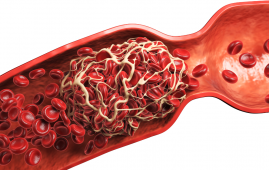 Coffee Consumption Linked to Lower Recurrent VTE Risk
Key points at a glance Study.
 Body Roundness Index Linked to Higher Heart Attack Risk
Key findings at a glance Study.
 Maternal Diet Fails to Reduce Infant Egg and Peanut Allergy
Key Points A large Australian randomized.
 Visual Impairment Linked to Higher Dementia Risk
Key findings at a glance A.
 Long-Acting HIV Treatment May Help Drug-Resistant Cases
Key Takeaways A UCSF study found.
 Night Shift Work Alters Key Circadian Gene Expression
A recent study published in Frontiers.
 Tirzepatide Weight Loss: Fat Mass and Muscle Findings
Key points Tirzepatide was associated with.
 Coffee and Gut Microbiome: Brewing and Metabolic Effects
Key Points Coffee contains caffeine, chlorogenic.
Leave a Comment