
Teen Cannabis Use Predicts Regular Tobacco Uptake

A new US study has found a concerning trend, the use of cannabis among teens and young adults is increasingly linked to the onset of regular tobacco use, even in individuals who had never previously smoked. Published in Tobacco Control, the research analyzed data from the Population Assessment of Tobacco and Health (PATH) Study, revealing that about 13% of new regular tobacco users could be attributed to prior cannabis use.
For healthcare professionals, this discovery reshapes how youth substance use should be understood and addressed. Traditionally, tobacco was seen as a “gateway” to cannabis, but this latest evidence points to a reverse gateway, where cannabis may now lead to tobacco addiction.
Researchers examined 13,851 participants aged 12–24 who had never or never regularly used tobacco in 2017. Among them, 15.4% had used it in the past 12 months. When followed up in 2021, 32.7% of cannabis-using teens (12–17 years) had transitioned to regular tobacco use, 15.6 percentage points higher than their matched non-user peers. For young adults aged 18–24, the rate was 14%, a rise of 5.4 points compared to controls.
Statistical modeling attributed 13% of total new tobacco use to cannabis, suggesting that over 509,000 fewer US youth might have avoided regular tobacco use had they not used it. The findings remained consistent even after accounting for factors such as prior tobacco experimentation, demographics, mental health, and perceived cigarette harm.
While the study was observational and cannot confirm causation, the authors emphasize the importance of early prevention. The data indicate that cannabis use is a strong independent risk factor for initiating regular tobacco use, potentially reversing decades of progress in tobacco control among youth populations.
For clinicians, nurses, and allied professionals, the implications are clear, screening for cannabis usage should become a core part of tobacco prevention strategies. Early cannabis use may signal an elevated risk for nicotine dependence, reinforcing the need for dual-substance screening in adolescent health assessments.
Healthcare providers should counsel young patients on this link, emphasizing the compounded health risks of using both substances. Integrating cannabis prevention messaging into tobacco-control education, school programs, and clinical interventions can strengthen community-level prevention.
As the authors conclude, addressing cannabis use among US youth is essential to safeguard public health and sustain the hard-won reductions in tobacco initiation achieved over recent decades.

 TRPM8 Cold Sensation Mechanism Explained for Pain Care
Quick Summary TRPM8 ion channel converts.
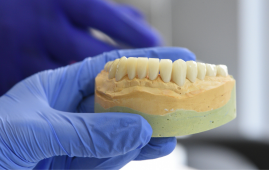 Gum Recession from Snus Confirmed, Caries Risk Debated
Key Highlights Snus use is strongly.
 Hypertensive Disorders of Pregnancy: Role of Daily Activity
Key Points Summary Limiting sedentary time.
 Climate Change Drives Dengue Outbreaks Globally
Key Takeaways Extreme weather significantly increases.
 Teen Driving Risks: Parents Underestimate Safety Threats
Key Takeaways Teen driving risks remain.
 PFK Enzyme Dual Role in Metabolism and Cell Cycle
Key Highlights Phosphofructokinase (PFK Enzyme) shows.
 Exercise During Chemotherapy Supports Brain Health
Key Points Summary A nationwide clinical.
 Invasive Cosmetic Procedures Raise Patient Safety Concerns
Key Summary Experts publishing in The.
 Food Tolerance Mechanism: How T Cells Prevent Allergies
Key Summary Researchers at Stanford University.
 Oligometastatic Pancreatic Cancer: New Global Consensus
Key Points Summary An international expert.
Leave a Comment