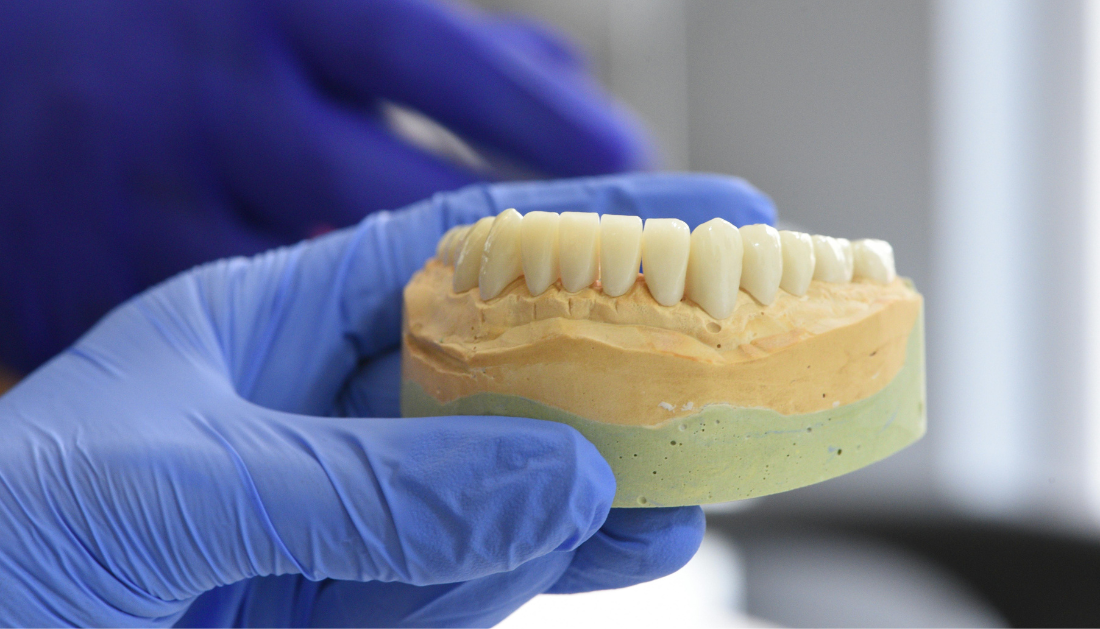
Snus Use Linked to Gum Recession, Caries Unclear

Snus use is consistently associated with localized gum damage, particularly at the placement site. The review highlights that both mechanical irritation and inflammatory responses contribute to gum recession and underlying bone resorption.
Researchers, including Mats Jontell, emphasize that while gum tissues are affected, there is no definitive evidence linking snus to destructive periodontal disease, where teeth lose structural support.
Interestingly, the type of snus matters:
For HCPs and dental professionals, these findings reinforce the importance of site-specific oral assessments in patients reporting smokeless tobacco use.
The evidence surrounding tooth decay (dental caries) remains mixed. Some studies report increased rates of decayed or filled teeth among snus users, while others show no significant difference compared to non-users.
This inconsistency suggests that:
For clinicians, this highlights the need for individualized risk assessment, especially when evaluating nicotine users with varying oral hygiene habits.
A notable finding links maternal snus use during pregnancy with a higher risk of cleft palate in newborns, although causation is not firmly established. Importantly, this risk was not observed in women who discontinued use early in pregnancy.
According to Maria Bankvall, this raises significant public health concerns, particularly as nicotine pouch use rises among younger populations.
A major gap exists in understanding white snus (tobacco-free nicotine pouches):
Published in Acta Odontologica Scandinavica, the review underscores the urgent need for longitudinal studies to assess these newer products.
While snus does not show a clear link to periodontal destruction or tooth decay, its localized impact on gum health is well established.
The rise of alternative nicotine products introduces new uncertainties, making preventive counseling and patient education essential in clinical practice.

 Night Shift Work Alters Key Circadian Gene Expression
A recent study published in Frontiers.
 Tirzepatide Weight Loss: Fat Mass and Muscle Findings
Key points Tirzepatide was associated with.
 Coffee and Gut Microbiome: Brewing and Metabolic Effects
Key Points Coffee contains caffeine, chlorogenic.
 Low-Dose Radiation Therapy Shows Promise in Early Knee OA
Key Points Low-dose radiation therapy was.
 Oral Hormone Replacement Therapy Raises Blood Clot Risk
Key Points Oral hormone replacement therapy.
 GLP-1 Health Information: Quality, Completeness, & Engagement
Key Points A study assessed 128.
 DNA Damage Response May Drive Biological Aging
Key Points Chronic DNA damage response.
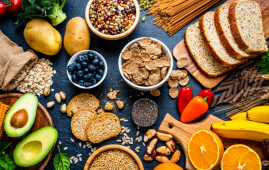 Dietary Polyphenol Intake Associated With Lower MCI Odds
Key Points Older adults without mild.
 Maternal Diet Fails to Reduce Infant Egg and Peanut Allergy
Key Points A large Australian randomized.
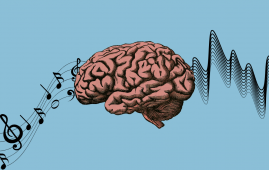 Psychedelic-Assisted Psychotherapy: Music in Treatment
Key Takeaways Psychedelic-assisted psychotherapy combines psychedelic.
Leave a Comment