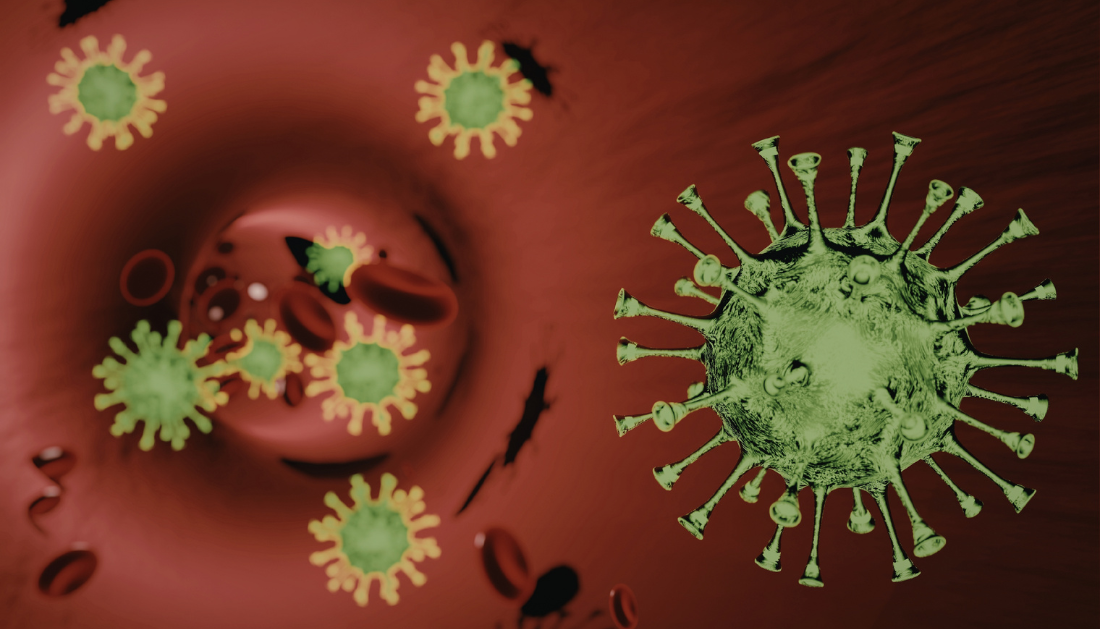
Dengue Outbreaks Linked to Climate Change Events

Recent findings highlight how climate-driven extreme weather is accelerating the spread of dengue fever, a mosquito-borne viral infection affecting millions worldwide. Researchers analyzing a 2023 cyclone event in Peru found a dramatic spike in dengue cases following intense rainfall and warming temperatures.
This study provides strong evidence that climate change is not a distant threat but an active driver of infectious disease outbreaks. For healthcare professionals (HCPs) and nurses, understanding this connection is critical for early detection, prevention, and patient management.
What Causes Dengue Outbreaks After Extreme Rainfall?
Heavy rainfall creates standing water, ideal breeding grounds for vectors like Aedes aegypti and Aedes albopictus. Combined with higher temperatures, mosquito reproduction and viral transmission rates increase significantly.
In the Peru case study:
According to the World Health Organization, dengue cases have surged more than tenfold since 2000. Climate change is increasing the frequency of extreme precipitation events, making outbreaks more likely and severe.
Yes. Integrating climate modeling with epidemiological data allows for better outbreak prediction and targeted intervention strategies. This approach can help healthcare systems anticipate surges and allocate resources effectively.
For HCPs and nurses:
The study emphasizes proactive measures:
As extreme weather events become more frequent, integrating environmental health insights into clinical and public health practice is essential to mitigate the growing burden of dengue and other vector-borne diseases.

 Maternal Diet Fails to Reduce Infant Egg and Peanut Allergy
Key Points A large Australian randomized.
 Visual Impairment Linked to Higher Dementia Risk
Key findings at a glance A.
 Long-Acting HIV Treatment May Help Drug-Resistant Cases
Key Takeaways A UCSF study found.
 Night Shift Work Alters Key Circadian Gene Expression
A recent study published in Frontiers.
 Tirzepatide Weight Loss: Fat Mass and Muscle Findings
Key points Tirzepatide was associated with.
 Coffee and Gut Microbiome: Brewing and Metabolic Effects
Key Points Coffee contains caffeine, chlorogenic.
 Low-Dose Radiation Therapy Shows Promise in Early Knee OA
Key Points Low-dose radiation therapy was.
 Oral Hormone Replacement Therapy Raises Blood Clot Risk
Key Points Oral hormone replacement therapy.
 GLP-1 Health Information: Quality, Completeness, & Engagement
Key Points A study assessed 128.
 DNA Damage Response May Drive Biological Aging
Key Points Chronic DNA damage response.
Leave a Comment