
Teen Driving Risks Often Underestimated by Parents: Safety Gap Widens

Motor vehicle crashes continue to be a leading cause of death among adolescents and young adults, yet new findings reveal a concerning gap between parental perception and actual risk. A national survey conducted by the University of Michigan Health C.S. Mott Children’s Hospital indicates that while many parents express concern about teen driving risks, most still believe their child is a safe driver compared to peers.
Nearly one in three parents worry their teen may cause an accident. However, 96% rate their child’s driving as average or above average, highlighting a cognitive disconnect that may delay preventive action.
Risky Driving Behaviors Frequently Observed
More than half of the surveyed parents reported witnessing at least one unsafe driving behavior in their teen or young adult. Key concerns include:
These behaviors significantly impair reaction time and decision-making, key contributors to crash risk. Notably, parents of young adults (21–25 years) reported higher rates of distracted and impaired driving compared to younger teens.
Despite these observations, many parents do not associate such behaviors with poor driving performance, suggesting normalization of risk, often influenced by similar parental habits.
How can parents reduce teen driving risks?
Although awareness exists, only one in four parents reported taking corrective action, such as:
For healthcare professionals and nurses, this highlights an important preventive counseling opportunity. Evidence consistently shows that parental modeling and enforcement of safe driving practices can reduce crash risk among adolescents.
As driver education requirements vary widely, families remain the most consistent influence on teen driving behavior.
Teen driving risks are not just a public health concern, they represent a preventable cause of morbidity and mortality. Strengthening parental awareness, aligning perception with reality, and encouraging proactive interventions are essential steps in improving road safety outcomes for young drivers.

 Gamma Oscillations Restored in Alzheimer’s Disease Mice
Key takeaways Researchers restored parvalbumin (PV).
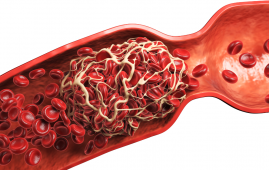 Coffee Consumption Linked to Lower Recurrent VTE Risk
Key points at a glance Study.
 Body Roundness Index Linked to Higher Heart Attack Risk
Key findings at a glance Study.
 Maternal Diet Fails to Reduce Infant Egg and Peanut Allergy
Key Points A large Australian randomized.
 Visual Impairment Linked to Higher Dementia Risk
Key findings at a glance A.
 Long-Acting HIV Treatment May Help Drug-Resistant Cases
Key Takeaways A UCSF study found.
 Night Shift Work Alters Key Circadian Gene Expression
A recent study published in Frontiers.
 Tirzepatide Weight Loss: Fat Mass and Muscle Findings
Key points Tirzepatide was associated with.
 Coffee and Gut Microbiome: Brewing and Metabolic Effects
Key Points Coffee contains caffeine, chlorogenic.
 Low-Dose Radiation Therapy Shows Promise in Early Knee OA
Key Points Low-dose radiation therapy was.
Leave a Comment