
New Pancreatic Cancer Research Reveals Therapy Targets
Key Points Researchers at Trinity College Dublin published a major review explaining why pancreatic cancer remains highly resistant to treatment.
Read More
Key Points Researchers at Trinity College Dublin published a major review explaining why pancreatic cancer remains highly resistant to treatment.
Read More
Key Points Summary Solid organ transplant recipients face significantly higher skin cancer risk due to immunosuppressive therapy Screening participation varies
Read More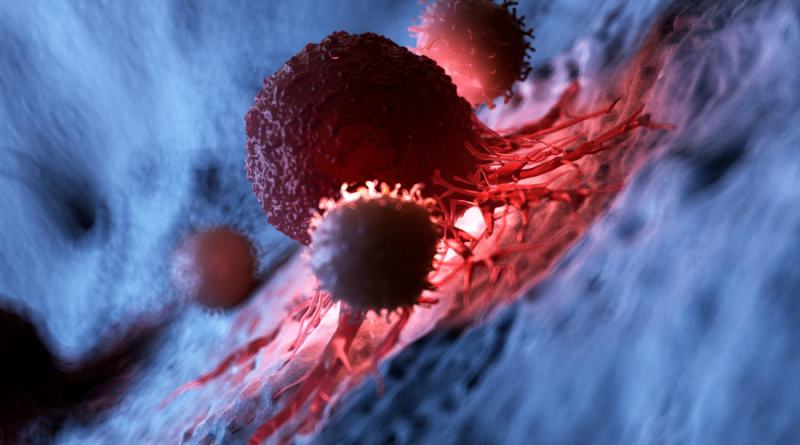
Key Highlights Novel cell-squeezing technology assesses breast cancer risk at the cellular level. Microfluidic platform measures cell deformation and recovery
Read More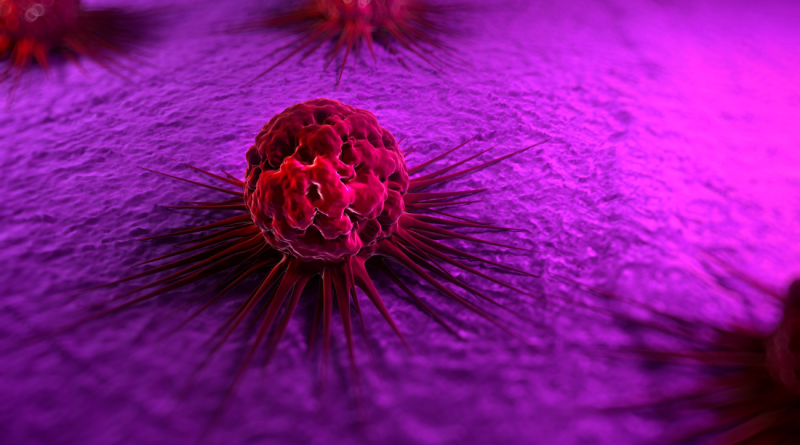
Key Highlights Intralesional nivolumab reduced lesion size in 85% of patients 60% average shrinkage; 65% saw >50% reduction 41% showed
Read More
Key Highlights A 3-million-cell atlas reveals how aging reshapes breast tissue Decline in immune surveillance may allow cancer cells to
Read More
Key Points Summary A nationwide clinical trial found that structured exercise during chemotherapy helps patients maintain physical activity and cognitive
Read More
Key Points Summary An international expert group has created the first consensus definition for oligometastatic pancreatic cancer. The OligoPanc project,
Read More
Key Points A high-fat diet accelerated tumor growth in TNBC models. Increased MMP1 levels are associated with greater invasion and
Read More
Key Takeaways Serial liquid biopsies using ctDNA show how metastatic castration-resistant prostate cancer (mCRPC) changes under treatment pressure. Androgen receptor
Read More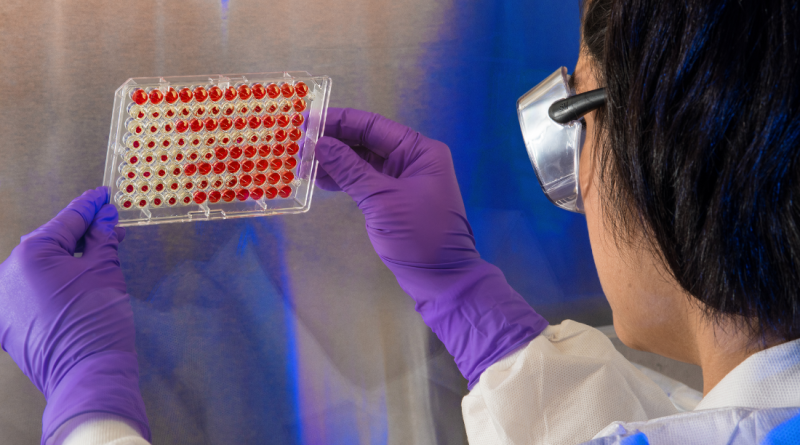
Key Highlights Reconfiguring peptide orientation significantly strengthened the CD8+ T cell response. Surface-displayed antigen (N-terminus attachment) showed superior tumor control.
Read More