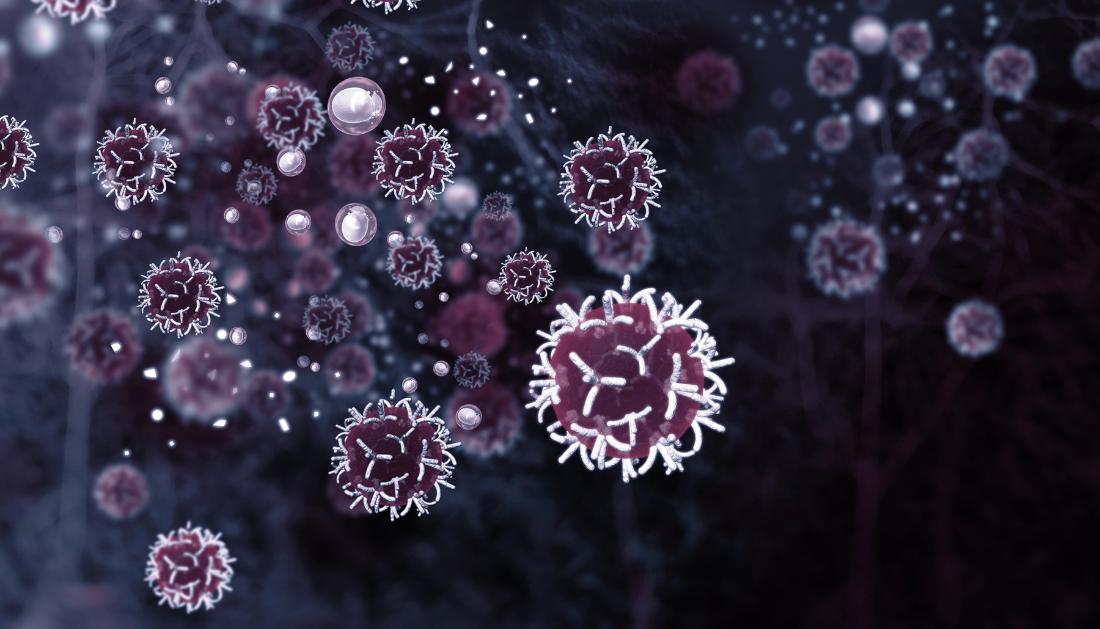
PLGA Nanoparticles Deliver Lasting Chemotherapy

Researchers from the University of Colorado Boulder have introduced a groundbreaking platform that mimics gecko feet to adhere nanoparticles directly to tumor surfaces, enhancing the precision and duration of targeted chemotherapy. Drawing inspiration from the Van der Waals force, the same mechanism that allows geckos to cling to vertical surfaces, the team developed gecko-inspired nanoparticles designed to remain fixed at tumor sites, even in slippery environments like the bladder.
These soft dendritic particles, made using FDA-approved PLGA (poly lactic-co-glycolic acid), provide a biodegradable drug delivery system that slowly releases chemotherapy agents over several days. Early-stage trials in mice with bladder cancer show strong adhesion to tumor tissue, prolonged drug release, favorable immune response, and minimal toxicity. The technology may represent a significant step in improving localized cancer therapy, reducing the frequency of invasive treatments, and minimizing exposure of healthy tissue to cytotoxic agents.
Bladder cancer treatment often involves intravesical chemotherapy, where drugs are delivered via catheter into the bladder. However, due to regular urination and the organ’s slippery lining, medications are frequently washed out within hours, necessitating repeated procedures and often leading to insufficient exposure of tumors to therapeutic concentrations.
The new nanostructured drug delivery solution counters this by adhering securely to tumor sites, mimicking the microscopic spatulae on gecko feet. This adhesion supports sustained drug release, reducing the number of treatments while maintaining therapeutic intensity. Beyond bladder tumors, the platform may prove valuable in treating other localized cancers, such as oral, head, and neck tumors.
With a biocompatible nanoparticle model designed to disintegrate harmlessly after completing drug delivery, this approach reduces systemic exposure and holds promise for patient-friendly cancer management.
For oncologists, oncology nurses, and drug delivery specialists, the gecko-inspired platform represents a shift toward cancer-targeted polymers designed with clinical scalability in mind. The potential to provide long-lasting, site-specific drug therapy while minimizing adverse effects could significantly improve the quality of care for patients with localized tumors.
This cross-disciplinary research, merging biomaterials science with clinical oncology, demonstrates how nature-inspired medical technology can inform practical innovations in cancer therapeutics. As further research progresses, these PLGA nanoparticles could play a role in reshaping how tumors are managed within organs that pose delivery challenges.

 Coffee and Gut Microbiome: Brewing and Metabolic Effects
Key Points Coffee contains caffeine, chlorogenic.
 Low-Dose Radiation Therapy Shows Promise in Early Knee OA
Key Points Low-dose radiation therapy was.
 Oral Hormone Replacement Therapy Raises Blood Clot Risk
Key Points Oral hormone replacement therapy.
 GLP-1 Health Information: Quality, Completeness, & Engagement
Key Points A study assessed 128.
 DNA Damage Response May Drive Biological Aging
Key Points Chronic DNA damage response.
 Maternal Diet Fails to Reduce Infant Egg and Peanut Allergy
Key Points A large Australian randomized.
 Psychedelic-Assisted Psychotherapy: Music in Treatment
Key Takeaways Psychedelic-assisted psychotherapy combines psychedelic.
 Cardiovascular Frailty Links Heart Health and Aging
Key Points Cardiovascular frailty may connect.
 Laser Blended Vision: Simple Test Predicts Success
Key Points A simple phoropter-based test.
 Pink Noise Boosts Brain Waste Clearance During Sleep
Key Points Pink noise delivered during.
Leave a Comment