
Heart Failure Risk Cut Post-Attack with PR-364 Drug

Researchers at Cedars-Sinai Medical Center have uncovered a groundbreaking discovery that could reshape post-heart attack care. A newly developed drug, PR-364, has demonstrated the ability to prevent heart failure in mice following heart attacks. Heart failure, a serious condition where the heart struggles to pump sufficient blood, impacts up to 30% of heart attack survivors within a year.
Published in the European Heart Journal, the study showcased PR-364’s ability to maintain heart function and halt the progression of heart failure. Treated mice exhibited preserved heart pumping capacity compared to untreated counterparts.
Further experiments using both mouse and human heart cells revealed the drug’s remarkable impact on mitochondria—the cell’s powerhouse. PR-364 enhanced mitochondrial performance through three key mechanisms: increasing mitophagy (removal of damaged mitochondria), boosting the production of new mitochondria, and improving overall mitochondrial efficiency.
“These findings highlight PR-364’s potential to transform heart failure treatment for heart attack survivors,” said Dr. Jennifer Van Eyk, lead researcher and cardiology professor at Cedars-Sinai. While not yet tested in humans, the data paves the way for innovative heart health strategies.
Future research will refine PR-364, assess its effects based on gender, and further explore its mechanism of action. Additionally, PR-364’s demonstrated efficacy when administered two hours post-heart attack offers a promising window for human applications.
Dr. Eduardo Marbán, Smidt Heart Institute’s executive director, emphasized, “Unlike preventive drugs requiring preemptive use, PR-364’s post-attack benefits significantly enhance its potential for real-world applications.”
This research signifies a vital step toward developing advanced therapies to mitigate heart failure risks in survivors, giving hope to millions worldwide.
More Information: Lizhuo Ai et al, Enhanced Parkin-mediated mitophagy mitigates adverse left ventricular remodelling after myocardial infarction: role of PR-364, European Heart Journal (2024). DOI: 10.1093/eurheartj/ehae782

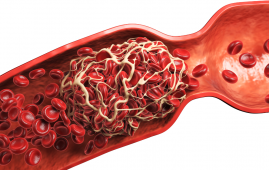 Coffee Consumption Linked to Lower Recurrent VTE Risk
Key points at a glance Study.
 Body Roundness Index Linked to Higher Heart Attack Risk
Key findings at a glance Study.
 Maternal Diet Fails to Reduce Infant Egg and Peanut Allergy
Key Points A large Australian randomized.
 Visual Impairment Linked to Higher Dementia Risk
Key findings at a glance A.
 Long-Acting HIV Treatment May Help Drug-Resistant Cases
Key Takeaways A UCSF study found.
 Night Shift Work Alters Key Circadian Gene Expression
A recent study published in Frontiers.
 Tirzepatide Weight Loss: Fat Mass and Muscle Findings
Key points Tirzepatide was associated with.
 Coffee and Gut Microbiome: Brewing and Metabolic Effects
Key Points Coffee contains caffeine, chlorogenic.
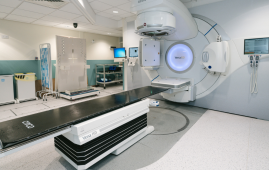 Low-Dose Radiation Therapy Shows Promise in Early Knee OA
Key Points Low-dose radiation therapy was.
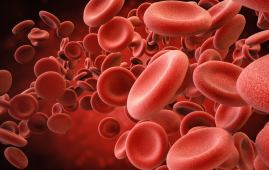 Oral Hormone Replacement Therapy Raises Blood Clot Risk
Key Points Oral hormone replacement therapy.
Leave a Comment