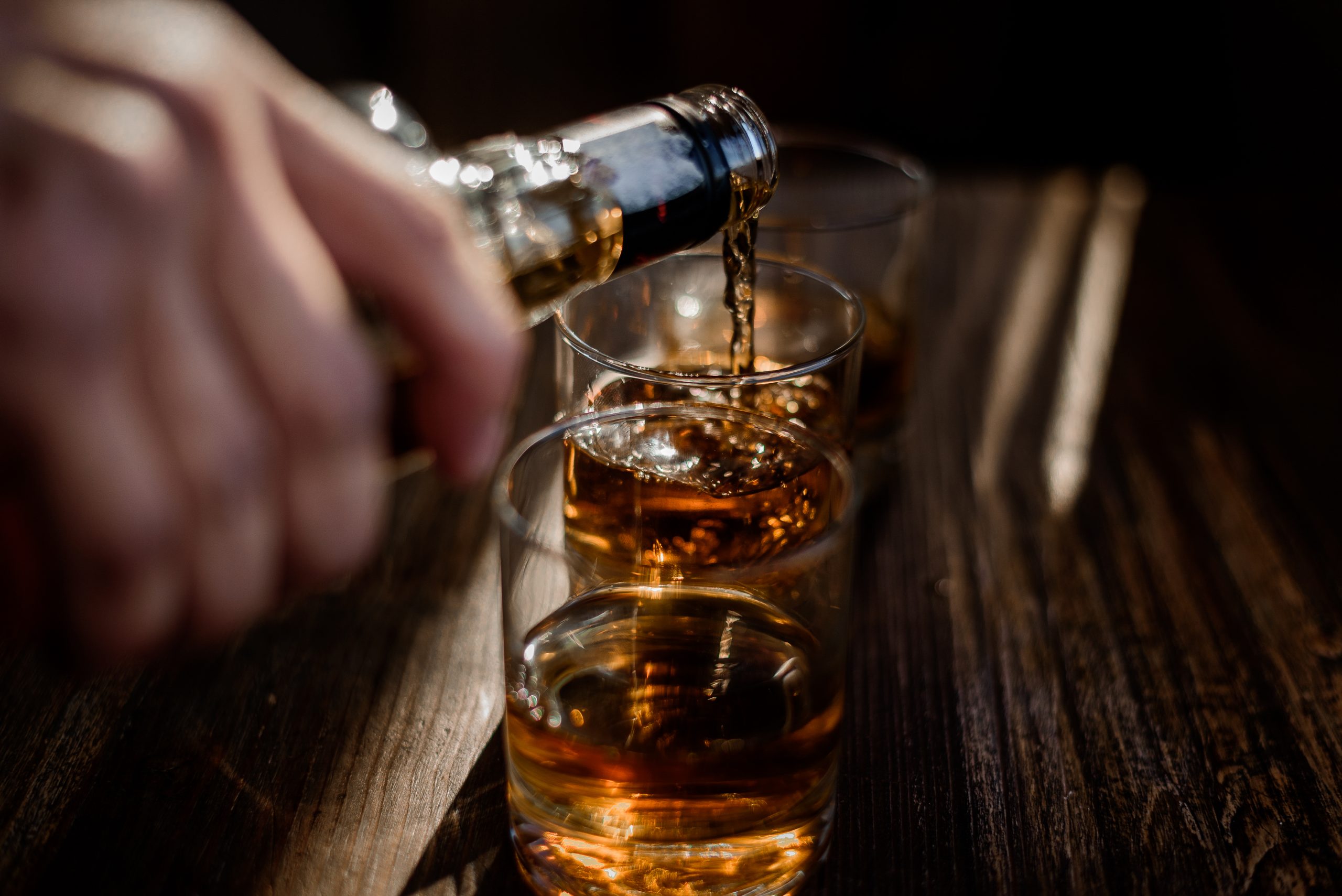
Image by freepic.diller on Freepik

According to recent research from the University of East Anglia, heavy drinkers may put themselves at risk of muscle loss and fragility later in life.
According to a recent study published today, persons with the least amount of muscle were drinking 10 units or more every day—roughly a bottle of wine.
The research team adjusted for body size since larger people have more muscular mass. They also included factors such as protein consumption and physical activity.
According to the researchers, their findings, which were based primarily on persons in their 50s and 60s, provide yet another reason to limit alcohol use.
Prof Ailsa Welch, from UEA’s Norwich Medical School, said, “Losing muscle as we age leads to problems with weakness and frailty in later life.”
“Alcohol intake is a major modifiable risk factor for many diseases, so we wanted to find out more about the relationship between drinking and muscle health as we age.”
The researchers examined data from the UK Biobank, a large-scale database of anonymised lifestyle and health information from 500,000 people in the United Kingdom.
They examined data from nearly 200,000 participants aged 37 to 73 years.
Dr. Jane Skinner, also of UEA’s Norwich Medical School, said, “We studied how much alcohol people were drinking and compared it with how much muscle they had, according to their body size. ”
“We also took into account things like how much protein they consumed, their levels of physical activity and other factors that could make a difference to how much muscle they might have.”
“Most of the people were in their 50s and 60s. We found that those who drank a lot of alcohol had a lower amount of skeletal muscle compared to people who drank less, after we took into account their body sizes and other factors.”
“We saw that it really became a problem when people were drinking 10 or more units a day—which is the equivalent of about a bottle of wine or four or five pints.”
“Alcohol consumption and muscle mass were measured cross-sectionally—in people at the same time—so we can’t be sure of a causal link,” she added.
Prof Welch said, “This study shows that alcohol may have harmful effects on muscle mass at higher levels of consumption. ”
“We know that losing muscle as we age leads to problems with weakness and frailty, so this suggests another reason to avoid drinking high amounts of alcohol routinely in middle and early older age,” she added.
“Alcohol consumption and measures of sarcopenic muscle risk: cross-sectional and prospective associations within the UK Biobank Study” is published in the journal Calcified Tissue International.

 Coffee and Gut Microbiome: Brewing and Metabolic Effects
Key Points Coffee contains caffeine, chlorogenic.
 Low-Dose Radiation Therapy Shows Promise in Early Knee OA
Key Points Low-dose radiation therapy was.
 Oral Hormone Replacement Therapy Raises Blood Clot Risk
Key Points Oral hormone replacement therapy.
 GLP-1 Health Information: Quality, Completeness, & Engagement
Key Points A study assessed 128.
 DNA Damage Response May Drive Biological Aging
Key Points Chronic DNA damage response.
 Maternal Diet Fails to Reduce Infant Egg and Peanut Allergy
Key Points A large Australian randomized.
 Psychedelic-Assisted Psychotherapy: Music in Treatment
Key Takeaways Psychedelic-assisted psychotherapy combines psychedelic.
 Cardiovascular Frailty Links Heart Health and Aging
Key Points Cardiovascular frailty may connect.
 Laser Blended Vision: Simple Test Predicts Success
Key Points A simple phoropter-based test.
 Pink Noise Boosts Brain Waste Clearance During Sleep
Key Points Pink noise delivered during.
Leave a Comment