How Gut Bacteria Convert Sugar into Essential Fatty Acids

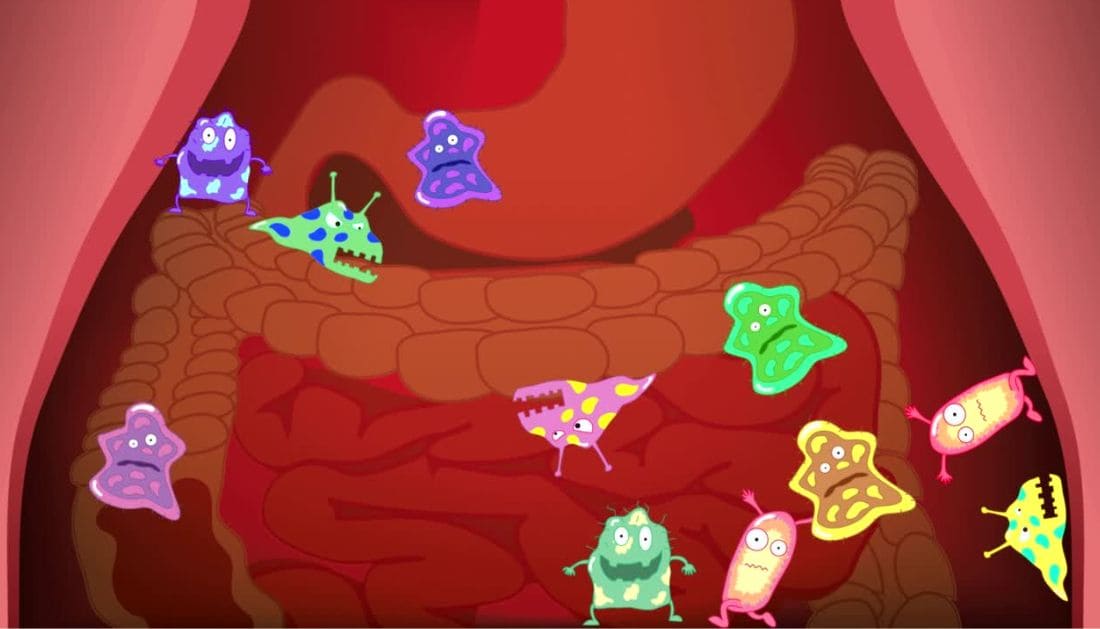
A recent study by Kobe University has revealed that gut microbes, previously thought to rely solely on dietary fiber, also metabolize sugar from our intestines to produce short-chain fatty acids (SCFAs). These SCFAs play a crucial role in various bodily functions, including gut health and metabolism. The discovery, published in Communications Medicine, opens new doors for therapeutic strategies targeting gut microbiota.
The human gut is home to trillions of microbes that support digestion, immune function, and metabolic processes. A key byproduct of microbial metabolism is short-chain fatty acids (SCFAs), which serve as the primary energy source for intestinal cells and influence overall health. Until now, SCFAs were believed to come exclusively from the fermentation of indigestible fiber.
However, Dr. Ogawa Wataru and his team at Kobe University discovered that glucose is naturally excreted into the small intestine, where it is then converted into SCFAs by gut bacteria. This finding challenges previous assumptions and highlights a new symbiotic relationship between the gut microbiome and the human body.
Using innovative bioimaging and metabolic analysis techniques, researchers tracked glucose movement through the intestines. They found that:
Dr. Ogawa stated, “The discovery that glucose excretion supports SCFA production adds a new layer to our understanding of gut microbiota and could lead to novel treatments for metabolic disorders.”
Understanding this newly identified pathway may offer therapeutic potential for conditions like diabetes, obesity, and inflammatory gut diseases. If drugs like metformin enhance glucose excretion into the gut, they may indirectly influence gut microbiota composition and SCFA production, providing additional metabolic benefits beyond blood sugar control.
Dr. Ogawa and his team are now conducting further research to explore how other diabetes medications affect this glucose-SCFA pathway and whether targeted interventions could enhance gut microbiome health.
“This study suggests that manipulating intestinal glucose excretion could become a novel therapeutic strategy to regulate gut microbiota and their metabolic outputs,” Ogawa added.
As gut microbiome research advances, targeting microbial metabolism could pave the way for next-generation therapies that optimize gut health and prevent metabolic diseases.
More Information: Metformin-regulated glucose flux from the circulation to the intestinal lumen, Communications Medicine (2025). DOI: 10.1038/s43856-025-00755-4

 Night Shift Work Alters Key Circadian Gene Expression
A recent study published in Frontiers.
 Tirzepatide Weight Loss: Fat Mass and Muscle Findings
Key points Tirzepatide was associated with.
 Coffee and Gut Microbiome: Brewing and Metabolic Effects
Key Points Coffee contains caffeine, chlorogenic.
 Low-Dose Radiation Therapy Shows Promise in Early Knee OA
Key Points Low-dose radiation therapy was.
 Oral Hormone Replacement Therapy Raises Blood Clot Risk
Key Points Oral hormone replacement therapy.
 GLP-1 Health Information: Quality, Completeness, & Engagement
Key Points A study assessed 128.
 DNA Damage Response May Drive Biological Aging
Key Points Chronic DNA damage response.
 Maternal Diet Fails to Reduce Infant Egg and Peanut Allergy
Key Points A large Australian randomized.
 Psychedelic-Assisted Psychotherapy: Music in Treatment
Key Takeaways Psychedelic-assisted psychotherapy combines psychedelic.
 Cardiovascular Frailty Links Heart Health and Aging
Key Points Cardiovascular frailty may connect.
Leave a Comment