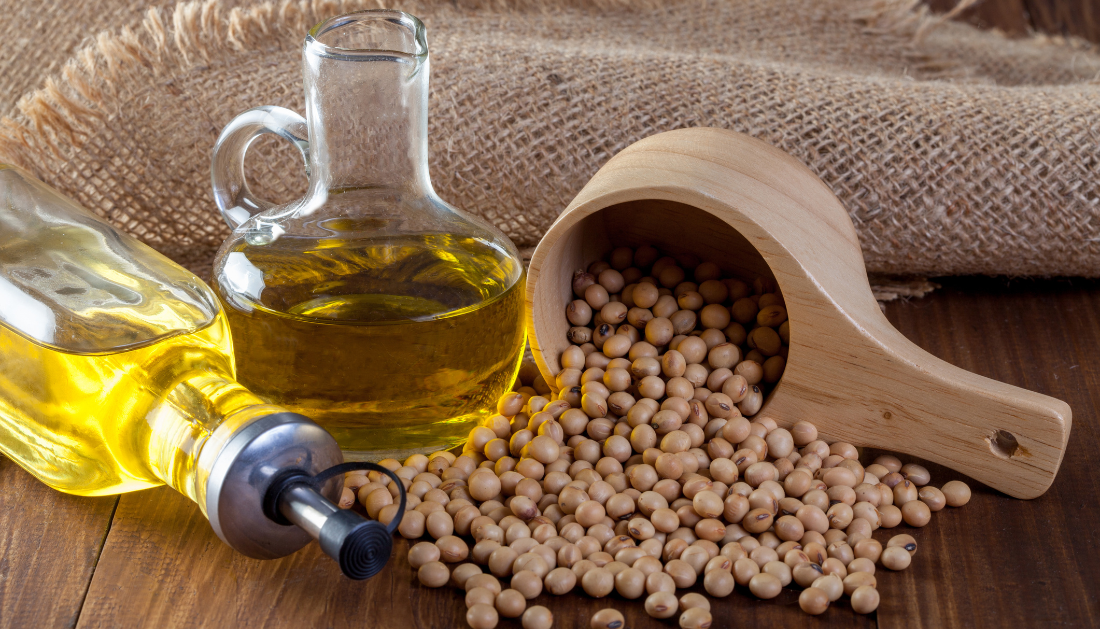
Soybean Oil and Obesity Pathways: Scientific Update

Soybean oil is the most widely used cooking oil in the U.S., yet new research from UC Riverside suggests it may play a far more significant role in metabolic health than previously recognized. In controlled mouse experiments, diets rich in soybean oil triggered substantial weight gain, except in a group of genetically engineered mice whose altered liver protein changed how their bodies processed dietary fat. These findings provide important clues for healthcare professionals managing patients with obesity, metabolic syndrome, and lipid disorders.
Researchers discovered that the key driver of weight gain wasn’t the oil itself, but what linoleic acid, a major component of soybean oil, turns into inside the body. Linoleic acid is converted into oxylipins, inflammatory molecules associated with fat accumulation and altered liver metabolism.
Regular mice on a high-fat soybean oil diet had elevated oxylipins, increased cholesterol levels, and impaired liver health. In contrast, the transgenic mice produced an alternative form of the liver protein HNF4α, which reduced oxylipin production, improved mitochondrial function, and protected them from obesity, despite consuming the same diet.
Subsequent analysis showed that only oxylipins inside the liver, not in the bloodstream, were correlated with body weight, suggesting standard blood tests may miss early metabolic changes caused by dietary fat intake. The study also identified significantly lower enzyme activity in the engineered mice, limiting the conversion of linoleic acid into obesity-linked oxylipins. These enzymes are highly conserved across mammals, including humans.
The findings highlight why individuals respond differently to high-fat diets and why some patients may be more prone to metabolic disorders when consuming oils high in linoleic acid. With soybean oil intake rising nearly fivefold over the past century and its widespread use in processed foods, clinicians may need to consider dietary sources of linoleic acid when evaluating unexplained weight gain, inflammation, dyslipidemia, or fatty liver indicators.
Although the study was conducted in mice, it opens a clinically relevant discussion: metabolic stress, genetics, and enzyme variability could significantly influence how the human body handles modern dietary fats.
Researchers are now investigating whether similar metabolic effects occur with other linoleic-acid-rich oils such as corn, safflower, and sunflower oil. While soybean oil is not inherently harmful, overconsumption may trigger biochemical pathways the body struggles to regulate.
For HCPs, nutritionists, and nurses, these findings underscore the importance of evaluating dietary fat quality, not just quantity, when guiding patients toward metabolic stability.

 Night Shift Work Alters Key Circadian Gene Expression
A recent study published in Frontiers.
 Tirzepatide Weight Loss: Fat Mass and Muscle Findings
Key points Tirzepatide was associated with.
 Coffee and Gut Microbiome: Brewing and Metabolic Effects
Key Points Coffee contains caffeine, chlorogenic.
 Low-Dose Radiation Therapy Shows Promise in Early Knee OA
Key Points Low-dose radiation therapy was.
 Oral Hormone Replacement Therapy Raises Blood Clot Risk
Key Points Oral hormone replacement therapy.
 GLP-1 Health Information: Quality, Completeness, & Engagement
Key Points A study assessed 128.
 DNA Damage Response May Drive Biological Aging
Key Points Chronic DNA damage response.
 Maternal Diet Fails to Reduce Infant Egg and Peanut Allergy
Key Points A large Australian randomized.
 Psychedelic-Assisted Psychotherapy: Music in Treatment
Key Takeaways Psychedelic-assisted psychotherapy combines psychedelic.
 Cardiovascular Frailty Links Heart Health and Aging
Key Points Cardiovascular frailty may connect.
Leave a Comment