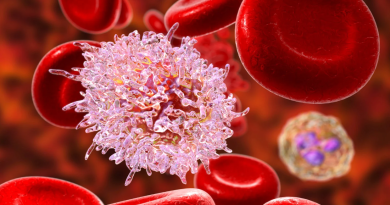
Human Cell Atlas: Mapping Biology for Precision Medicine
In a recent perspective article published in the journal Nature Communications, over 30 scientists from around the world discussed the action plans and principles of the Human Cell Atlas (HCA), a global scientific initiative designed to create detailed reference maps of human cells. The goal of the HCA project is to establish equity and ensure that the atlas is accessible and beneficial to all individuals.
Vision and Purpose of the Human Cell Atlas
The HCA tries to map cells, which are the essential building blocks of life. It aims to transform our understanding of human biology by cataloguing the variety of cells, their roles, and interactions inside healthy tissues. The project’s purpose is to apply this information to improve illness diagnosis, treatment, and prevention across varied populations.
Furthermore, the HCA aims to fill gaps in cellular biology by investigating cell type variance across individuals with diverse genetic backgrounds, environmental exposures, and life experiences. The initiative uses cutting-edge techniques including single-cell and spatial genomics to map human cells. These previously unavailable technologies provide unparalleled insights into single-cell activity and tissue structure.
Understanding cellular variety can reveal the underlying mechanisms of diseases and health issues, and the HCA has already been used to uncover unusual cell types linked to certain ailments like ulcerative colitis. For example, single-cell atlas data allowed the identification of epithelial M-like cells, an uncommon cell type found in the inflamed colons of ulcerative colitis patients.
Furthermore, the HCA effort brings together a wide group of scientists, including biologists, engineers, physicians, and ethicists, promoting an interdisciplinary approach. Furthermore, by including samples from people with diverse demographic and geographical backgrounds, the HCA assures that the data produced is reflective of humanity.
Equity and Diversity in Human Cell Atlas Research.
The article focused on HCA’s deep commitment to ethical research techniques, stressing equity, diversity, and inclusion. Historically, biomedical research has been criticized for biases and underrepresentation, which the HCA intends to remedy through proactive measures.
Furthermore, the project is focused on strengthening local communities and scientists. The HCA actively engages local scientists and people to ensure cultural, historical, and biological representation in its research. Membership is open to anyone over the age of 16 who adheres to HCA’s ethical standards.
Currently, there are over 3,200 members from 99 countries. The HCA helps local scientists by providing training, funding advocacy, and leadership opportunities, while also addressing issues such low funds, resource limits, and ethical approvals. Over a dozen training seminars across Africa, Latin America, and Asia have been attended by more than 2,000 academics since 2019. Regional networks, such as HCA Asia and HCA Africa, encourage collaboration and participation through monthly training sessions.
Furthermore, the HCA assures ethical sample collection by engaging the community in native languages and obtaining informed consent. Volunteers are told about the risks, advantages, and data use. Furthermore, the samples are coded to ensure anonymity and collected in accordance with project aims. Samples may include surgical leftovers, organ donations, or post-mortem samples, as well as swabs and lung tissues from coronavirus disease 2019 (COVID-19) research and blood samples from immune-system investigations.
The obtained samples are subsequently processed with stringent scientific monitoring, resulting in minimal waste. The HCA also helps local labs with sample analysis and trains local scientists in techniques like single-cell genomics. To promote transparency and confidence, these laboratories are urged to open their doors to the community whenever possible. Furthermore, study participants and community members are encouraged to visit laboratories to ensure transparency.
Data from HCA research are preserved in coded databases once personal identification have been removed and made available in worldwide repositories. Furthermore, the HCA trains local scientists in data processing and shares study findings with participants and communities.
The HCA also focuses accountability through its Equity Working Group (EqWG), which encourages international representation and participation in its efforts. The EqWG has advocated for a “equity in action” approach through outreach, education, and ethics training, ensuring that the HCA reflects the objectives and viewpoints of diverse worldwide populations.
The authors noted that the HCA strongly opposes the use of biological data for discrimination or racial profiling and promotes the ethical use of genetic information. The researchers reviewed several historical cases of research data misuse, stating that the HCA recognizes previous abuses in genetic research and promotes appropriate methods to avoid stigma or exclusion.
Future Implications and Broader Impacts
The researchers also talked about how the HCA will affect future medical studies. They believe that the HCA’s comprehensive reference maps have transformative potential for biological science and healthcare, while the project’s cellular variety lays the groundwork for individualized medicine.
The atlas enables researchers to detect cellular alterations in a variety of disorders, paving the path for tailored medications and more effective treatments. Furthermore, by making cutting-edge scientific methods and knowledge more accessible, the HCA ensures that its findings benefit all populations, regardless of geography or socioeconomic position.
The study emphasized HCA’s framework of inclusivity, transparency, and worldwide cooperation, arguing that it may be used as a model for other large-scale scientific projects. HCA’s approach is consistent with the ideas of previous programs such as the Human Genome Project and the 1000 Genomes Project, focusing on open data access and ethical research techniques.
For more information: Amit, I., Ardlie, K., Arzuaga, F., Awandare, G., Bader, G., Bernier, A., Carninci, P., Donnelly, S., Eils, R., Forrest, A. R., Greely, H. T., Guigo, R., Hacohen, N., Haniffa, M., Kirby, E. S., Knoppers, B. M., Kriegstein, A., Lein, E. S., Linnarsson, S., . . . Zhuang, X. (2024). The commitment of the human cell atlas to humanity. Nature Communications, 15(1), 1-7. DOI: 10.1038/s41467-024-54306-x, https://www.nature.com/articles/s41467-024-54306-x