
Largest Cannabis Brain Study Finds Memory Impairment (1)

A groundbreaking study published in JAMA Network Open has revealed significant effects of cannabis use on brain function, particularly in working memory. Conducted by researchers at the University of Colorado Anschutz Medical Campus, this study is the largest of its kind, utilizing brain imaging to examine over 1,000 adults aged 22 to 36.
Findings showed that 63% of heavy lifetime cannabis users exhibited reduced brain activity during working memory tasks. Similarly, 68% of recent users demonstrated a comparable decline. Working memory is crucial for cognitive functions like following instructions, problem-solving, and decision-making. Impairments in this area may affect daily tasks requiring focus and recall.
“Given the increasing legalization and use of cannabis worldwide, it’s essential to understand both its potential benefits and risks,” said lead author Dr. Joshua Gowin, an assistant professor at CU Anschutz Medical Campus. “Our study indicates that this substance significantly affects brain function, particularly in regions associated with memory and decision-making.”
Participants were categorized based on cannabis use:
The study utilized functional magnetic resonance imaging (fMRI) while participants performed seven cognitive tasks assessing memory, motor skills, emotions, and decision-making. Researchers applied stringent statistical analyses, confirming that working memory showed the most substantial cognitive decline.
Regions most affected by cannabis use included the dorsolateral prefrontal cortex, dorsomedial prefrontal cortex, and anterior insula—key areas involved in reasoning, emotional regulation, and attention. However, researchers also noted that abstaining from cannabis before cognitive tasks may improve performance.
While these findings highlight a potential risk, Dr. Gowin emphasized the need for further research: “We still need long-term studies to understand whether these effects are reversible and how they differ across age groups.”
As cannabis use continues to rise, these insights provide valuable information for policymakers, medical professionals, and users seeking to understand its neurological effects.
More Information: Brain Function Outcomes of Recent and Lifetime Cannabis Use, JAMA Network Open (2025). DOI: 10.1001/jamanetworkopen.2024.57069

 Night Shift Work Alters Key Circadian Gene Expression
A recent study published in Frontiers.
 Tirzepatide Weight Loss: Fat Mass and Muscle Findings
Key points Tirzepatide was associated with.
 Coffee and Gut Microbiome: Brewing and Metabolic Effects
Key Points Coffee contains caffeine, chlorogenic.
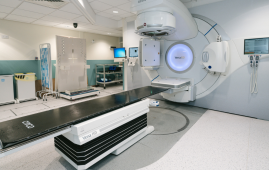 Low-Dose Radiation Therapy Shows Promise in Early Knee OA
Key Points Low-dose radiation therapy was.
 Oral Hormone Replacement Therapy Raises Blood Clot Risk
Key Points Oral hormone replacement therapy.
 GLP-1 Health Information: Quality, Completeness, & Engagement
Key Points A study assessed 128.
 DNA Damage Response May Drive Biological Aging
Key Points Chronic DNA damage response.
 Dietary Polyphenol Intake Associated With Lower MCI Odds
Key Points Older adults without mild.
 Maternal Diet Fails to Reduce Infant Egg and Peanut Allergy
Key Points A large Australian randomized.
 Psychedelic-Assisted Psychotherapy: Music in Treatment
Key Takeaways Psychedelic-assisted psychotherapy combines psychedelic.
Leave a Comment