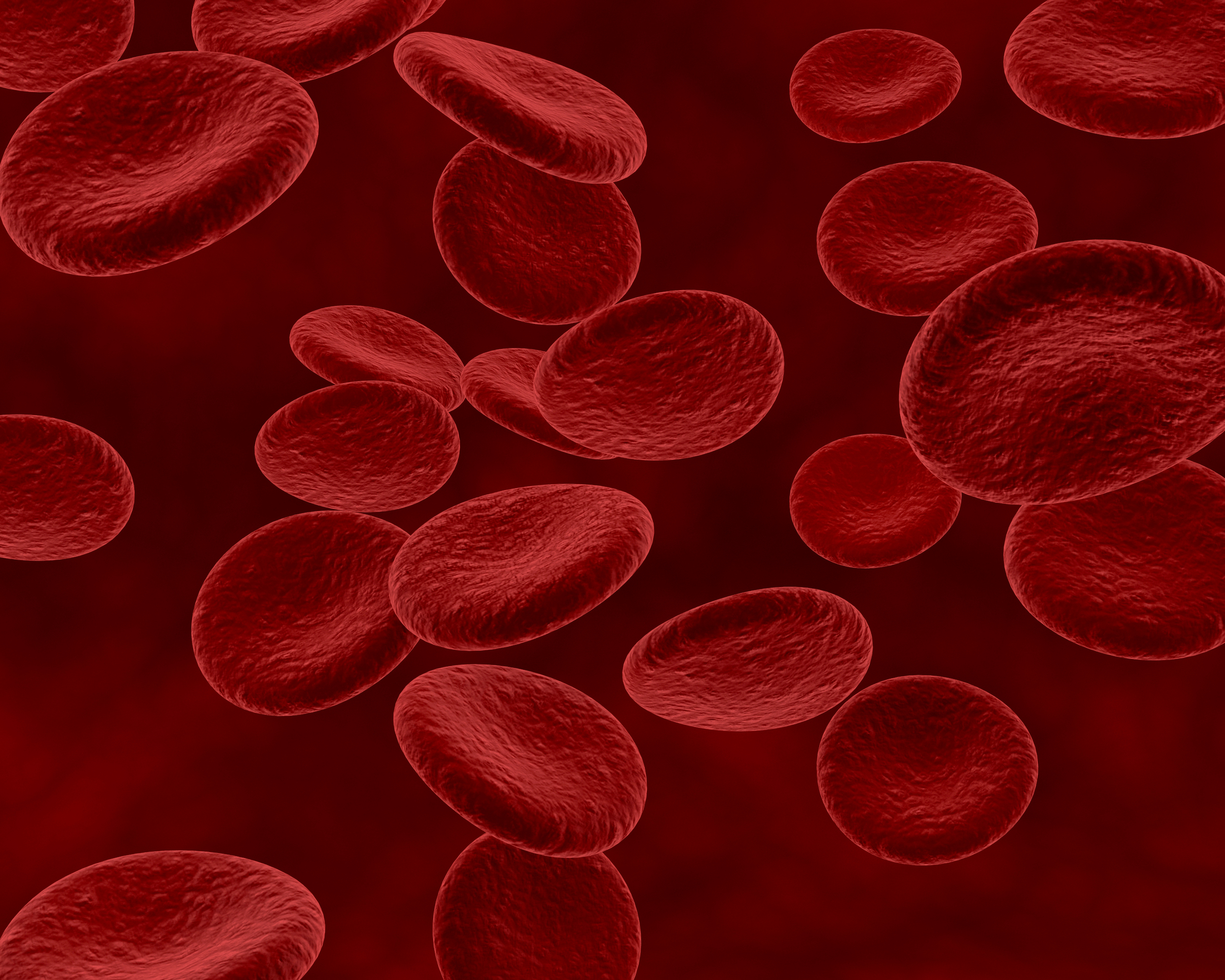
Image by kjpargeter on Freepik

Cancer cells release tiny packets of molecular cargo that lay the groundwork for metastasis at distant places in the body.
Messenger particles released by leukemia cells traverse a route to distant places, where they release molecular cargo that builds the framework for the spread of the blood malignancy.
The findings from KAUST animal and cell research, published in Frontiers in Cell and Developmental Biology, help explain one of the drivers of cancer spread. Furthermore, they point to a potential therapeutic method for slowing the course of leukemia.
The researchers demonstrated that, like leukemia cells, tiny packets of molecular cargo shed from the cells’ surface rely on an adhesion molecule called E-selectin to adhere and migrate to tissues throughout the body.
These exosomes include genetic material and signaling proteins that can promote cancer development and survival by influencing changes in the receiving cells. However, they can only do so if the surface proteins on the exosomes are coated with a complex sugar molecule known as sialyl Lewis X.
With this adornment, “leukemic exosomes act as a kind of blueprint to altering the foundations in a way that makes the environment more friendly for future metastasis,” says Ioannis Isaioglou, Ph.D. student and the first author of the study.
Exosomes, however, cannot convey the information required to enhance cancer-fueling gene expression in recipient cells without it, according to Isaioglou and his colleagues, and an antibody medication that blocks E-selectin function has the same impact. In mice, such a medication therapy prevented leukemia cells from taking root in the spleen and spine, both of which are frequent locations of leukemia spread.
This points to the potential importance of focusing on exosomes as a way of reducing metastasis,” says cell biologist Jasmeen Merzaban, who led the research project as part of a collaboration with KAUST bioengineer Khaled Salama and microscopist Satoshi Habuchi.
Notably, a medication candidate termed Uproleselan, a small molecule inhibitor of E-selectin, is currently in late-stage clinical trials for patients with advanced leukemia. Earlier trial findings was encouraging, and Merzaban’s team’s laboratory results may assist to explain why the medicine appears to be helping patients live longer lives.
The study also documented a flexible feature of exosomes. Though long thought of as passive delivery vehicles, exosomes can actually change what contents they distribute depending on what molecules they bind to on target cells. “This is the first time research has shown exosomes to have such a dynamic role in transporting cancer communications to new locations,” Merzaban says.
Given the essential functions that exosomes play in disease progression, she believes that sophisticated function merits more consideration.

 Night Shift Work Alters Key Circadian Gene Expression
A recent study published in Frontiers.
 Tirzepatide Weight Loss: Fat Mass and Muscle Findings
Key points Tirzepatide was associated with.
 Coffee and Gut Microbiome: Brewing and Metabolic Effects
Key Points Coffee contains caffeine, chlorogenic.
 Low-Dose Radiation Therapy Shows Promise in Early Knee OA
Key Points Low-dose radiation therapy was.
 Oral Hormone Replacement Therapy Raises Blood Clot Risk
Key Points Oral hormone replacement therapy.
 GLP-1 Health Information: Quality, Completeness, & Engagement
Key Points A study assessed 128.
 DNA Damage Response May Drive Biological Aging
Key Points Chronic DNA damage response.
 Maternal Diet Fails to Reduce Infant Egg and Peanut Allergy
Key Points A large Australian randomized.
 Psychedelic-Assisted Psychotherapy: Music in Treatment
Key Takeaways Psychedelic-assisted psychotherapy combines psychedelic.
 Cardiovascular Frailty Links Heart Health and Aging
Key Points Cardiovascular frailty may connect.
Leave a Comment