Microautophagy in Macrophages: New Pathway Discovery

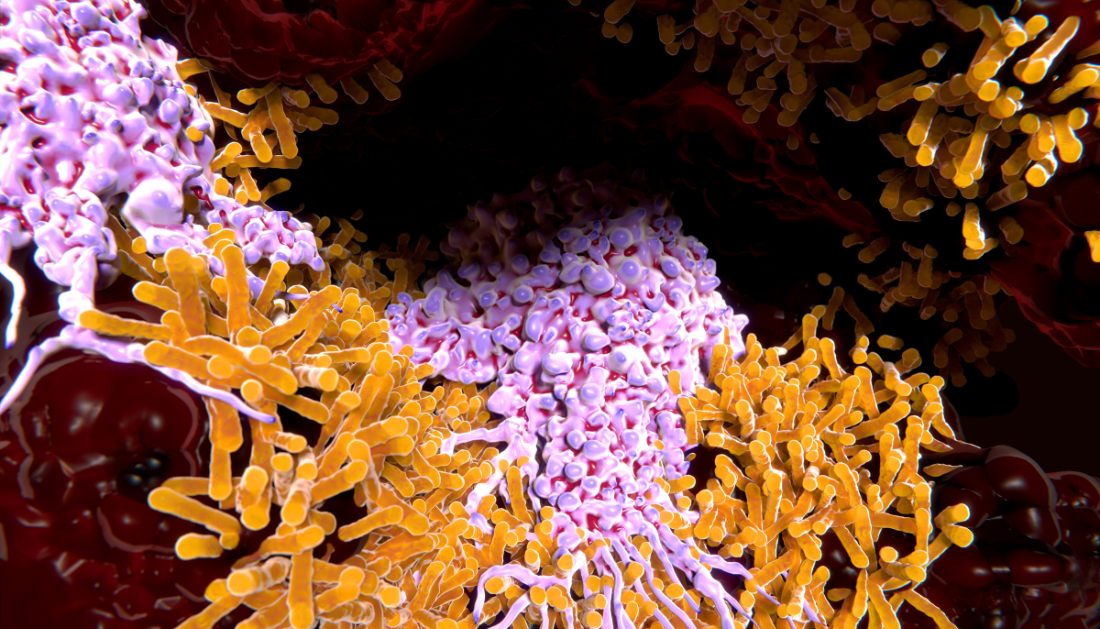
Macrophages, key defenders of the immune system, do more than engulf pathogens. They also clear damaged components inside cells, a process traditionally linked to macroautophagy. But new research from The University of Osaka, published in Nature Communications on August 30, 2025, reveals a direct cleanup pathway: microautophagy in macrophages. Unlike macroautophagy, this process allows macrophages to directly engulf and digest damaged mitochondria and organelles, conserving energy while maintaining immune readiness.
In this study, researchers identified lysosome-related organelles inside macrophages that bypass the need for autophagosomes. These compartments directly swallow damaged mitochondria, aided by regulatory proteins and lipids including Rab32 GTPase, phosphatidylinositol 3,5-bisphosphates, ubiquitin, and p62/SQSTM1.
“Macroautophagy has been extensively studied, but microautophagy is not understood as extensively. We found that this process seems to play a more prominent role… due to its lower energy demand,” said Shiou-Ling Lu, Assistant Professor and study lead author.
This efficient cleanup mechanism also influences macrophage metabolism. By removing damaged mitochondria, macrophages shift toward glycolysis, fueling the M1 inflammatory state, which is critical in infection control.
The findings underscore that microautophagy in macrophages is not just cellular housekeeping it plays a direct role in immune regulation. Knocking out Rab32/38 significantly impaired this pathway, highlighting its importance for inflammation readiness and mitochondrial quality control.
“Our findings reveal that macrophages have an underappreciated way to recycle their own damaged parts, and this process directly shapes how they function,” added senior author Takeshi Noda.
For healthcare professionals, this discovery opens opportunities to understand immune dysfunction in chronic inflammatory diseases, infections, and even age-related conditions where mitochondrial health and autophagy pathways are compromised.
This study encourages further exploration of microautophagy pathways as potential therapeutic targets in infectious diseases, immunology, and metabolic disorders. Understanding how macrophages balance their recycling processes could inform strategies to strengthen host defense and control excessive inflammation.
For More Information
Lu, S.-L., et al. (2025). Evidence that mitochondria in macrophages are destroyed by microautophagy. The University of Osaka

 Long-Acting HIV Treatment May Help Drug-Resistant Cases
Key Takeaways A UCSF study found.
 Night Shift Work Alters Key Circadian Gene Expression
A recent study published in Frontiers.
 Tirzepatide Weight Loss: Fat Mass and Muscle Findings
Key points Tirzepatide was associated with.
 Coffee and Gut Microbiome: Brewing and Metabolic Effects
Key Points Coffee contains caffeine, chlorogenic.
 Low-Dose Radiation Therapy Shows Promise in Early Knee OA
Key Points Low-dose radiation therapy was.
 Oral Hormone Replacement Therapy Raises Blood Clot Risk
Key Points Oral hormone replacement therapy.
 GLP-1 Health Information: Quality, Completeness, & Engagement
Key Points A study assessed 128.
 DNA Damage Response May Drive Biological Aging
Key Points Chronic DNA damage response.
 Maternal Diet Fails to Reduce Infant Egg and Peanut Allergy
Key Points A large Australian randomized.
 Psychedelic-Assisted Psychotherapy: Music in Treatment
Key Takeaways Psychedelic-assisted psychotherapy combines psychedelic.
Leave a Comment