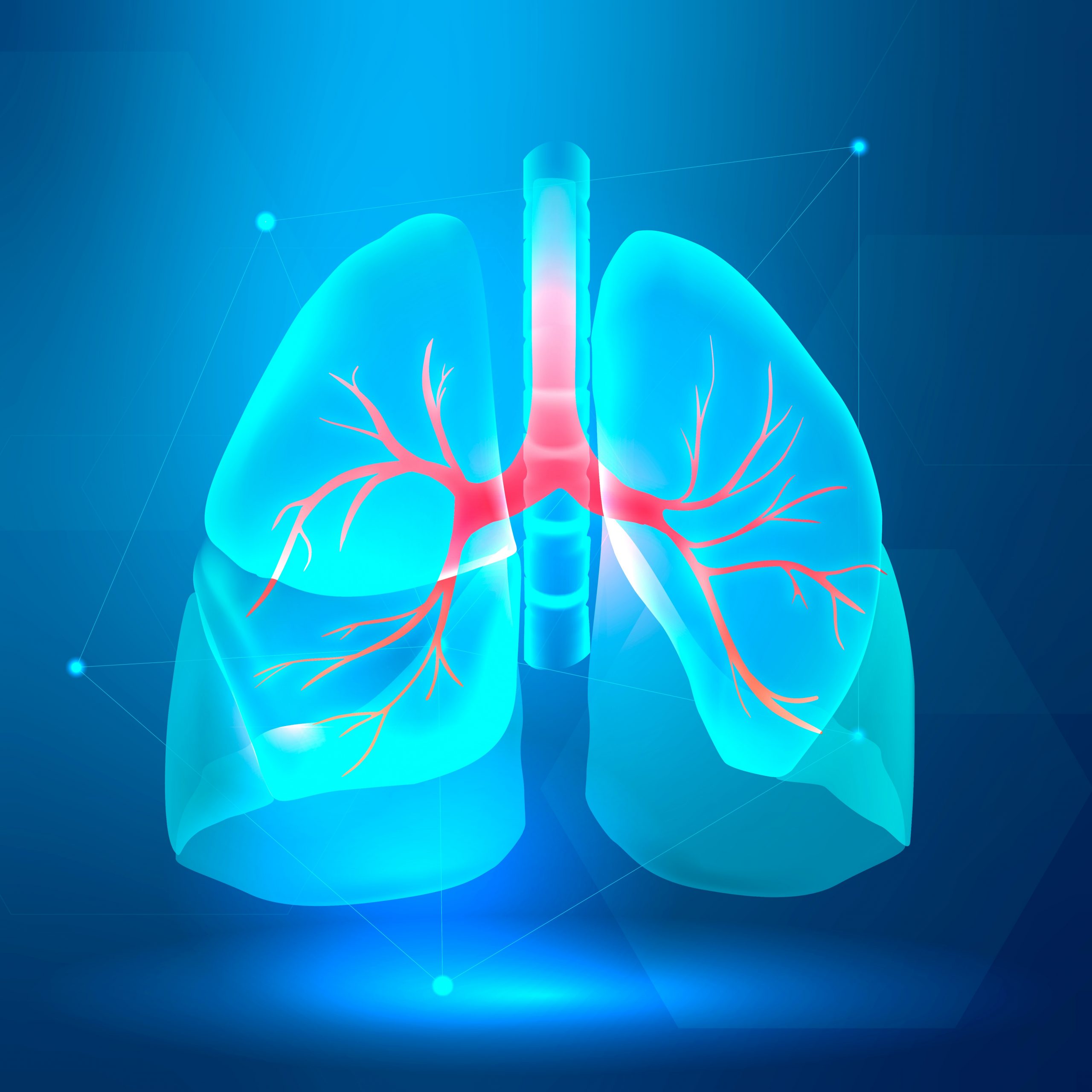
Image by rawpixel.com on Freepik

Texas Biomedical Research Institute researchers have successfully generated the lung’s most essential immune cell, the alveolar macrophage, in the lab. The cell culture methodology will allow investigating lung inflammatory illnesses and testing new possible medicines considerably easier and less expensive for researchers all across the world.
Macrophages are the immune system’s “Pac-Man,” gobbling up waste throughout the body’s tissues. Alveolar macrophages are immune cells that live in the lining of the lung’s air sacs, where air exchange occurs, and are frequently the first immune cells to encounter infections such as SARS-CoV-2 or the bacteria that causes tuberculosis.
It is critical to study tissue-specific cells to better understand mechanisms of health and disease, and to screen potential new therapies,” says Texas Biomed Professor Larry Schlesinger, MD, and senior author of the paper published in the journal mBio.
Old versus new
Human alveolar macrophages have been difficult to research because they are located deep within the lungs and are difficult to approach. They are often acquired via time-consuming and costly lung washes, which include moving a bronchoscope through the throat and into the airways to collect fluid samples.
This innovative method begins with a simple blood draw. Isolated white blood cells are placed in Teflon jars with appropriate cell culture components. Surfactant is added, coupled with three different cytokine proteins found in alveolar lining fluid.
“We call it the magic cocktail,” says Susanta Pahari, Ph.D., a postdoctoral researcher at Texas Biomed and first author of the paper. “We are mimicking the alveolar environment in cell culture. It makes the cells think they are in the lungs.”
The cells develop, or convert, into alveolar macrophage-like cells in six days. The cells produced are 94% genetically identical to human alveolar macrophages isolated from lung washes. The Texas Biomed team confirmed that the model may be used to study tuberculosis and COVID-19; the cells quickly absorb the infections.
“It is very rewarding to develop something that can help the research community,” says Dr. Pahari. “We’ve already received numerous emails across the globe requesting macrophage development protocols. We are now looking into developing a kit that we can provide to make it even easier for others to replicate what we have done.”
Improve and pivot
In some ways, the progress is a result of the COVID-19 pandemic. When the pandemic struck, Dr. Pahari was unable to obtain human alveolar macrophages, and his research came to a halt. As a result, he shifted his concentration to inventing an alternative. Years of trial and error were required to determine the most effective combination of cocktail components, as well as genetic testing and verification.
The model improves on the usual method employed in Dr. Schlesinger’s lab for many years to generate human macrophages.
“We’ve been using human monocyte-derived macrophages, which themselves are an excellent model, but they do not closely resemble the unique alveolar macrophages,” says Dr. Schlesinger.
Dr. Schlesinger notes that the approach that ultimately worked is reminiscent of the process to generate adult induced pluripotent stem cells, which place adult stem cells in a specific cocktail to help them revert to a state where they can then differentiate into totally new tissues.
“I am excited to see the full potential of the alveolar macrophage-like cells and if they can be integrated into next-generation lung organoids,” Dr. Schlesinger says.

 Night Shift Work Alters Key Circadian Gene Expression
A recent study published in Frontiers.
 Tirzepatide Weight Loss: Fat Mass and Muscle Findings
Key points Tirzepatide was associated with.
 Coffee and Gut Microbiome: Brewing and Metabolic Effects
Key Points Coffee contains caffeine, chlorogenic.
 Low-Dose Radiation Therapy Shows Promise in Early Knee OA
Key Points Low-dose radiation therapy was.
 Oral Hormone Replacement Therapy Raises Blood Clot Risk
Key Points Oral hormone replacement therapy.
 GLP-1 Health Information: Quality, Completeness, & Engagement
Key Points A study assessed 128.
 DNA Damage Response May Drive Biological Aging
Key Points Chronic DNA damage response.
 Maternal Diet Fails to Reduce Infant Egg and Peanut Allergy
Key Points A large Australian randomized.
 Psychedelic-Assisted Psychotherapy: Music in Treatment
Key Takeaways Psychedelic-assisted psychotherapy combines psychedelic.
 Cardiovascular Frailty Links Heart Health and Aging
Key Points Cardiovascular frailty may connect.
Leave a Comment