
image by jcomp on Freepik

Heart failure, a prevalent condition linked to sleep apnea and a shorter lifespan, may be improved by a novel drug. The drug, AF-130, was examined in an animal model at Waipapa Taumata Rau, University of Auckland, where researchers discovered that it increased the heart’s capacity to pump blood, but more importantly, that it also avoided sleep apnea, which itself shortens life. The project has been reported in Nature Communications. This drug does offer benefit for heart failure, but it’s two for the price of one, in that it’s also relieving the apnea for which there is currently no drug, only CPAP (a breathing device), which is poorly tolerated,” says Professor Julian Paton, director of the University’s Manaaki Manawa, Center for Heart Research.
The sympathetic nervous system, also known as the “fight or flight” reaction, is activated by the brain in response to a heart attack and subsequent heart failure in order to encourage the heart to pump blood. Although it is no longer necessary, the brain continues to activate the nervous system, which, along with the resulting sleep apnea, reduces the patient’s life span. Most people pass away within five years of being diagnosed with heart failure.
This study has revealed the first drug to temper the nervous activity from the brain to the heart thereby reversing the heart’s progressive decline in heart failure,” says Professor Paton.
The area of the brain that regulates breathing also transmits nervous impulses to the heart, so this medication performs two tasks at once: it lowers the “fight or flight” response while also promoting breathing to end sleep apnea. According to Professor Paton, these discoveries “have real potential for improving the health and life expectancy of almost 200,000 people living with heart disease in Aotearoa New Zealand.”
The fact that the drug is soon to be FDA approved, albeit for a different health problem, is another exciting development for the scientists, who are from the Universities of Auckland and So Paulo in Brazil, Professor Paton says. This will open the door for human trials in the following year or two.
“Over recent decades there have been several classes of drugs that have improved the prognosis of heart failure,” says cardiology consultant and Associate Professor, Martin Stiles. “However, none of these drugs work in the way that this new agent does. So it is exciting to see a novel method that potentially reverses some features of heart failure.”

 Visual Impairment Linked to Higher Dementia Risk
Key findings at a glance A.
 Long-Acting HIV Treatment May Help Drug-Resistant Cases
Key Takeaways A UCSF study found.
 Night Shift Work Alters Key Circadian Gene Expression
A recent study published in Frontiers.
 Tirzepatide Weight Loss: Fat Mass and Muscle Findings
Key points Tirzepatide was associated with.
 Coffee and Gut Microbiome: Brewing and Metabolic Effects
Key Points Coffee contains caffeine, chlorogenic.
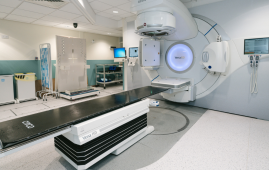 Low-Dose Radiation Therapy Shows Promise in Early Knee OA
Key Points Low-dose radiation therapy was.
 Oral Hormone Replacement Therapy Raises Blood Clot Risk
Key Points Oral hormone replacement therapy.
 GLP-1 Health Information: Quality, Completeness, & Engagement
Key Points A study assessed 128.
 DNA Damage Response May Drive Biological Aging
Key Points Chronic DNA damage response.
 Maternal Diet Fails to Reduce Infant Egg and Peanut Allergy
Key Points A large Australian randomized.
Leave a Comment