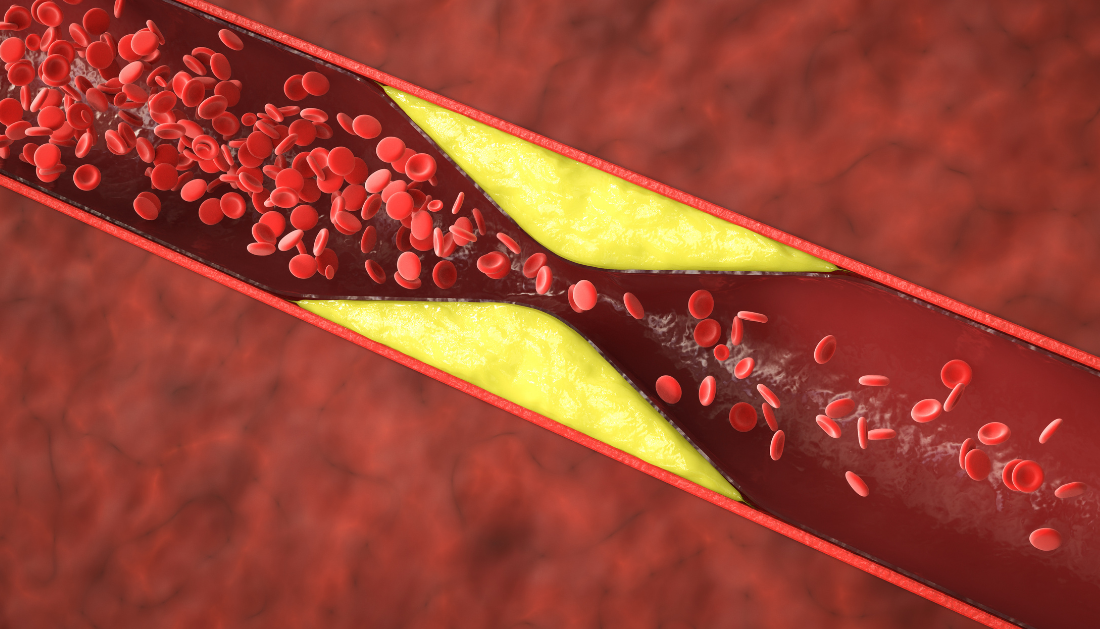
Viridans Streptococci Implicated in Atherosclerotic Plaques

Atherosclerosis has long been understood as a chronic inflammatory process, largely triggered by oxidized LDL. Yet, recent findings published in the Journal of the American Heart Association suggest that oral bacteria, particularly viridans streptococci, may play a more active role than previously assumed.
Researchers analyzing coronary plaques from 121 sudden death autopsies and 96 surgical patients discovered bacterial DNA in over 60% of plaque samples. Notably, viridans streptococci, commonly associated with dental plaque and infective endocarditis, were detected in 42–43% of cases.
The authors emphasized, pointing toward a possible infection-driven mechanism of plaque instability.
Viridans streptococci appear to establish biofilm colonies within arterial walls, effectively evading immune surveillance. Within these biofilms, bacteria remain dormant until triggered, at which point they disperse and activate TLR2-mediated immune pathways.
At rupture-prone plaque sites, dispersed streptococci triggered cytokine release and matrix metalloproteinase (MMP) activity, weakening the fibrous cap and increasing the risk of atherothrombosis and myocardial infarction.
The study highlights that poor dental health and transient bacteremia from routine dental procedures may contribute to bacterial seeding in plaques, raising important clinical considerations for both cardiology and dentistry practices.
The association between oral bacteria and cardiovascular events is not entirely new, but this study strengthens the hypothesis that dormant bacterial biofilms can drive plaque vulnerability.
Importantly, the findings align with the broader understanding of inflammation in secondary cardiovascular events, as seen in the CANTOS trial. They also raise the possibility of future interventions, including:
For healthcare professionals, the message is clear: oral health may be more tightly linked to cardiovascular outcomes than previously recognized.
Karhunen, P. J., Pessi, T., Karhunen, V., et al. (2025). Viridans Streptococcal Biofilm Evades Immune Detection and Contributes to Inflammation and Rupture of Atherosclerotic Plaques. Journal of the American Heart Association. doi: https://doi.org/10.1161/JAHA.125.041521. https://www.ahajournals.org/doi/10.1161/JAHA.125.041521

 Brain-Computer Interface Uses EEG in Unresponsive Patients
Key findings at a glance Mind-controlled.
 Gamma Oscillations Restored in Alzheimer’s Disease Mice
Key takeaways Researchers restored parvalbumin (PV).
 Coffee Consumption Linked to Lower Recurrent VTE Risk
Key points at a glance Study.
 Body Roundness Index Linked to Higher Heart Attack Risk
Key findings at a glance Study.
 Maternal Diet Fails to Reduce Infant Egg and Peanut Allergy
Key Points A large Australian randomized.
 Visual Impairment Linked to Higher Dementia Risk
Key findings at a glance A.
 Long-Acting HIV Treatment May Help Drug-Resistant Cases
Key Takeaways A UCSF study found.
 Night Shift Work Alters Key Circadian Gene Expression
A recent study published in Frontiers.
 Tirzepatide Weight Loss: Fat Mass and Muscle Findings
Key points Tirzepatide was associated with.
 Coffee and Gut Microbiome: Brewing and Metabolic Effects
Key Points Coffee contains caffeine, chlorogenic.
Leave a Comment