Pancreatic Cancer Immune Map May Guide Future Therapies

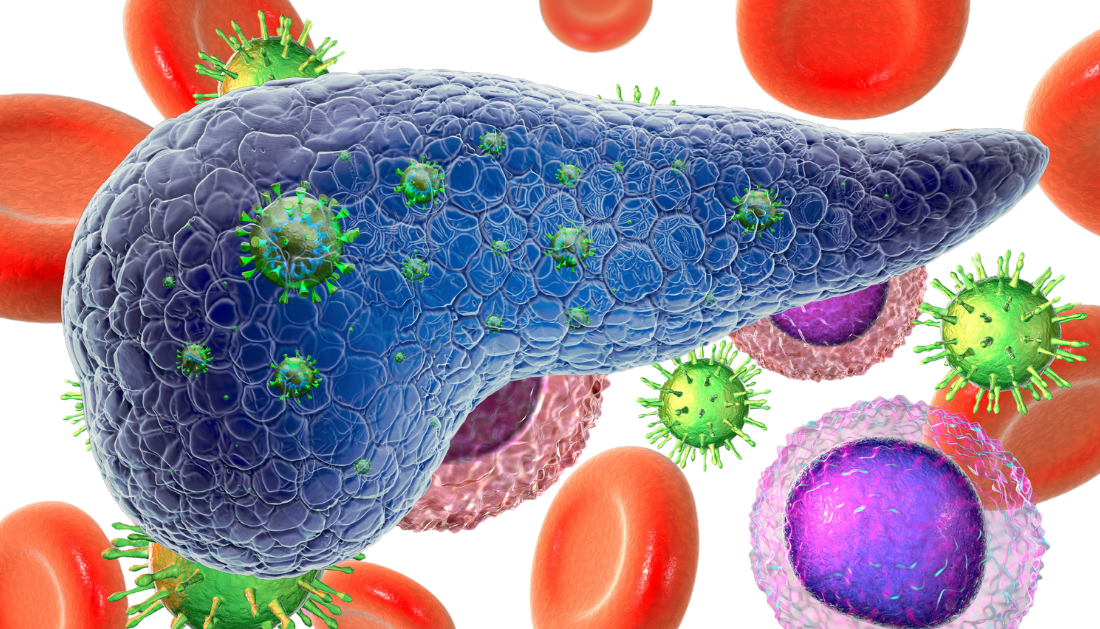
A newly constructed immune map has revealed distinct immune cell infiltration patterns in pancreatic ductal adenocarcinoma (PDAC), the most lethal form of pancreatic cancer. The study, published in Nature Communications, provides critical insights into immune suppression mechanisms and suggests tailored immunotherapy approaches could improve treatment outcomes.
PDAC has a five-year survival rate of less than 10%, with only 0.5–1% of patients currently receiving immunotherapy. This low response rate highlights the urgent need for precision medicine approaches targeting immune cell interactions within tumors.
Researchers analyzed single-cell RNA sequencing (scRNA-seq) and immune cell profiling from 12 treatment-naïve patients, identifying two major tumor immune profiles:
AE tumors exhibited:
ME tumors showed:
“Understanding the immune composition of PDAC tumors may allow us to tailor treatments based on tumor immune profiles,” researchers noted.
How can this study impact future treatment?
This immune mapping study marks a significant advancement in understanding how immune cells shape pancreatic tumor behavior. By identifying distinct immune profiles, researchers can develop targeted immunotherapies that may improve survival rates in PDAC patients—a crucial step toward precision oncology.
More Information: Sivakumar, S., Jainarayanan, A., Arbe-Barnes, E., et al. (2025) Distinct Immune Cell Infiltration Patterns in Pancreatic Ductal Adenocarcinoma (PDAC) Exhibit Divergent Immune Cell Selection and Immunosuppressive Mechanisms. Nature Communications16(1);1-20. doi:10.1038/s41467-024-55424-2.

 Brain-Computer Interface Uses EEG in Unresponsive Patients
Key findings at a glance Mind-controlled.
 Gamma Oscillations Restored in Alzheimer’s Disease Mice
Key takeaways Researchers restored parvalbumin (PV).
 Coffee Consumption Linked to Lower Recurrent VTE Risk
Key points at a glance Study.
 Body Roundness Index Linked to Higher Heart Attack Risk
Key findings at a glance Study.
 Maternal Diet Fails to Reduce Infant Egg and Peanut Allergy
Key Points A large Australian randomized.
 Visual Impairment Linked to Higher Dementia Risk
Key findings at a glance A.
 Long-Acting HIV Treatment May Help Drug-Resistant Cases
Key Takeaways A UCSF study found.
 Night Shift Work Alters Key Circadian Gene Expression
A recent study published in Frontiers.
 Tirzepatide Weight Loss: Fat Mass and Muscle Findings
Key points Tirzepatide was associated with.
 Coffee and Gut Microbiome: Brewing and Metabolic Effects
Key Points Coffee contains caffeine, chlorogenic.
Leave a Comment