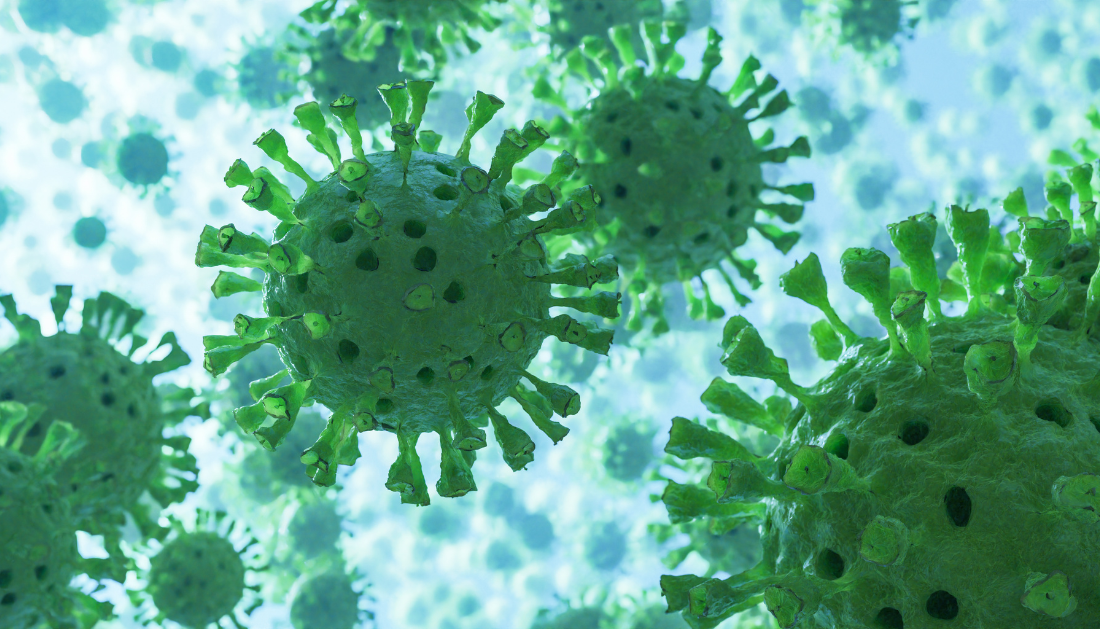
Gut Microbiome in Pediatric Crohn’s Disease Study

A newly published study in Physiological Reports highlights a distinct pediatric Crohn’s disease microbial signature, differentiating affected children from those with functional gastrointestinal disorders such as irritable bowel syndrome.
Researchers at NYU Grossman School of Medicine and NYU College of Dentistry analyzed fecal samples from 43 newly diagnosed pediatric Crohn’s patients and 139 children with disorders of gut-brain interaction. Importantly, none had initiated treatment, minimizing therapeutic confounding.
Using DNA sequencing, investigators found:
These findings reinforce prior evidence that gut microbiome dysbiosis plays a central role in Crohn’s disease pathogenesis.
The study also examined disease activity using the Pediatric Crohn’s Disease Activity Index (PCDAI).
Children with more severe disease demonstrated:
This gradient suggests that microbiome composition may not only distinguish Crohn’s disease from other gastrointestinal conditions but also reflect disease activity and inflammatory burden.
Given the marked rise in pediatric Crohn’s diagnoses over the past two decades, these findings are clinically relevant for gastroenterologists, pediatricians, and IBD-focused nursing teams managing early-stage disease.
Current diagnostic pathways rely heavily on colonoscopy, endoscopy, imaging, and inflammatory markers. The study authors propose that fecal microbiome profiling could complement these tools to:
Investigators also highlighted the potential for microbiome-targeted therapies, including therapeutic probiotics and selective antimicrobial approaches to rebalance dysbiosis.
Future research will examine environmental exposures and synthetic chemicals that may disrupt immune regulation and microbial composition, potentially influencing pediatric Crohn’s disease risk.
For healthcare professionals, this study strengthens the clinical conversation around microbiome-informed diagnostics and targeted interventions in inflammatory bowel disease.

 Stroke Rehabilitation: Early High-Intensity Therapy Findings
Key Highlights High-intensity therapy within 2.
 TRPM8 Cold Sensation Mechanism Explained for Pain Care
Quick Summary TRPM8 ion channel converts.
 Gum Recession from Snus Confirmed, Caries Risk Debated
Key Highlights Snus use is strongly.
 Hypertensive Disorders of Pregnancy: Role of Daily Activity
Key Points Summary Limiting sedentary time.
 Climate Change Drives Dengue Outbreaks Globally
Key Takeaways Extreme weather significantly increases.
 Teen Driving Risks: Parents Underestimate Safety Threats
Key Takeaways Teen driving risks remain.
 PFK Enzyme Dual Role in Metabolism and Cell Cycle
Key Highlights Phosphofructokinase (PFK Enzyme) shows.
 Exercise During Chemotherapy Supports Brain Health
Key Points Summary A nationwide clinical.
 Invasive Cosmetic Procedures Raise Patient Safety Concerns
Key Summary Experts publishing in The.
 Food Tolerance Mechanism: How T Cells Prevent Allergies
Key Summary Researchers at Stanford University.
Leave a Comment