Study: Dietary Plant to Animal Protein Ratio and Risk of Cardiovascular Disease in Three Prospective Cohorts

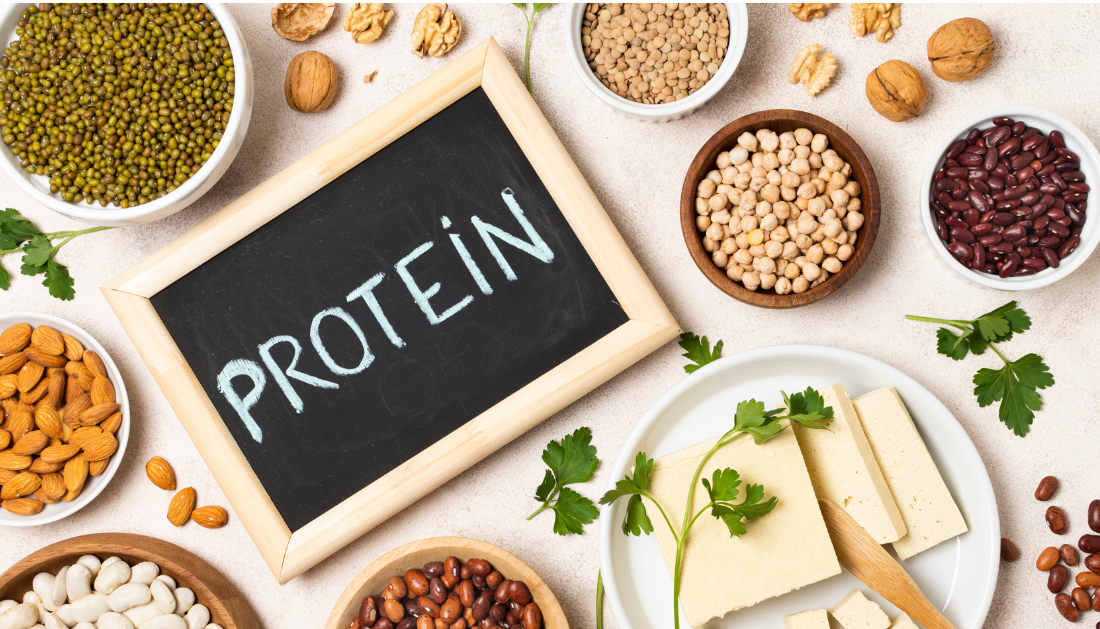
According to a new study done by experts at Harvard T.H. Chan School of Public Health, eating a diet rich in plant-based protein may lower the risk of cardiovascular disease (CVD) and coronary heart disease (CHD). The researchers believe that replacing red and processed meats with plant proteins is driving these risk reductions.
The researchers also discovered that a combination of eating more plant protein and increasing overall protein intake produced the greatest heart health benefits.
While global dietary guidelines encourage consuming more plant protein, the optimal plant-to-animal protein ratio remains uncertain. The study is the first to look into this ratio and how it affects health, particularly heart health.
“The average American eats a 1:3 plant to animal protein ratio. Our findings suggest a ratio of at least 1:2 is much more effective in preventing CVD. For CHD prevention, a ratio of 1:1.3 or higher should come from plants,” said lead author Andrea Glenn, visiting scientist in the Department of Nutrition.
Glenn worked on the study as a postdoctoral scholar at Harvard Chan School before becoming an assistant professor in New York University’s Department of Nutrition and Food Studies.
The study, “Dietary Plant to Animal Protein Ratio and Risk of Cardiovascular Disease in Three Prospective Cohorts,” was published Dec. 2 in the American Journal of Clinical Nutrition.
The researchers analyzed 30 years of nutrition, lifestyle, and heart health data from over 203,000 men and women who participated in the Nurses’ Health Studies I and II and the Health Professionals’ Follow-up Study. Participants reported their dietary intake every four years.
The researchers determined each participant’s overall protein intake in grams per day, as well as their individual intakes of animal and plant proteins. During the study period, 16,118 CVD cases were documented, including over 10,000 CHD cases and more than 6,000 stroke instances.
After controlling for individuals’ health history, sociodemographic and lifestyle characteristics, the study discovered that consuming a higher plant-to-animal protein ratio was related with lower risk of CVD and CHD. Participants who consumed the greatest plant-to-animal protein ratio (~1:1.3) had a 19% reduced risk of CVD and a 27% lower risk of CHD than those who consumed the lowest ratio (~1:4.2).
These risk reductions were considerably greater for people who consumed more protein overall. Those who consumed the greatest protein (21% of energy from protein) and maintained a greater plant-to-animal protein ratio had a 28% lower risk of CVD and a 36% lower risk of CHD than those who consumed the least protein (16%).
There were no significant connections discovered between stroke risk and the ratio; however, replacing red and processed meat in the diet with numerous plant sources, such as nuts, reduced the risk of stroke.
The researchers also investigated whether there is a limit at which consuming more plant protein no longer provides additional benefits and may potentially have harmful consequences. They discovered that the risk reduction for CVD plateaus around a 1:2 ratio, whereas the risk of CHD continues to reduce at higher plant-to-animal protein ratios.
According to the researchers, these risk reductions are most likely caused by replacing red and processed meat with a variety of plant protein sources, including nuts and legumes. These replacements have been shown to enhance cardiometabolic risk variables such as blood lipids, blood pressure, and inflammatory biomarkers. This is due in part to plant proteins’ high content of fiber, antioxidant vitamins, minerals, and healthy fats.
“Most of us need to begin shifting our diets toward plant-based proteins,” said senior author Frank Hu, Fredrick J. Stare Professor of Nutrition and Epidemiology at Harvard Chan School. “We can do so by cutting down on meat, especially red and processed meats, and eating more legumes and nuts. Such a dietary pattern is beneficial not just for human health but also the health of our planet.”
The researchers noted that the ratios they determined are estimations, and that more research is needed to find the best balance of plant and animal protein. In addition, more research is needed to identify how protein intake affects stroke risk.
For more information: Dietary Plant to Animal Protein Ratio and Risk of Cardiovascular Disease in Three Prospective Cohorts, American Journal of Clinical Nutrition (2024). DOI: 10.1016/j.ajcnut.2024.09.006

 Brain-Computer Interface Uses EEG in Unresponsive Patients
Key findings at a glance Mind-controlled.
 Gamma Oscillations Restored in Alzheimer’s Disease Mice
Key takeaways Researchers restored parvalbumin (PV).
 Coffee Consumption Linked to Lower Recurrent VTE Risk
Key points at a glance Study.
 Body Roundness Index Linked to Higher Heart Attack Risk
Key findings at a glance Study.
 Maternal Diet Fails to Reduce Infant Egg and Peanut Allergy
Key Points A large Australian randomized.
 Visual Impairment Linked to Higher Dementia Risk
Key findings at a glance A.
 Long-Acting HIV Treatment May Help Drug-Resistant Cases
Key Takeaways A UCSF study found.
 Night Shift Work Alters Key Circadian Gene Expression
A recent study published in Frontiers.
 Tirzepatide Weight Loss: Fat Mass and Muscle Findings
Key points Tirzepatide was associated with.
 Coffee and Gut Microbiome: Brewing and Metabolic Effects
Key Points Coffee contains caffeine, chlorogenic.
Leave a Comment