
New Research on Passenger Lymphocyte Syndrome (PLS) in Lung Transplants

Passenger lymphocyte syndrome (PLS) is a potentially fatal complication associated with lung transplants that has received little research and is frequently misdiagnosed in clinical settings. A recent study conducted by the Department of Transfusion Medicine and Cell Therapy at MedUni Vienna in conjunction with the Department of Thoracic Surgery and University Hospital Vienna, however, revealed that the problem is more common than previously believed.
The findings, which were just released in the American Journal of Respiratory and Critical Care Medicine, offer fresh perspectives on PLS in addition to methods for prompt diagnosis and treatment.
This paper represents the most comprehensive research effort on the subject to date. An analysis was conducted on pertinent factors and data from around 1,100 patients who underwent lung transplantation at the University Hospital Vienna between 2010 and 2021. The findings demonstrate that, contrary to earlier assumptions, PLS happens much more frequently in uneven ABO settings—that is when the donor and receiver have different blood types.
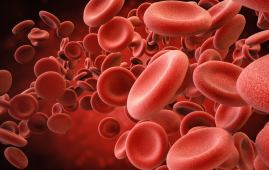
PLS is brought on by certain white blood cells (lymphocytes) from the donor’s blood that cause hemolysis upon transplantation, destroying the red blood cells of the recipient. Individuals diagnosed with PLS require blood transfusions twice as frequently as those without PLS due to their much-decreased haemoglobin levels, increased anaemia, and other factors.
“Until now, it was assumed that only a few percent of patients were affected,” reports principal investigator Günther Körmöczi (Department of Transfusion Therapy and Cell Therapy).
“However, our detailed analysis of ABO-mismatched transplants revealed that depending on the specific blood group combination between donor and recipient, up to 30 percent of patients developed hemolytic reactions after lung transplantation.” Patients with blood group A who underwent transplants with blood group O were very often impacted.
These results highlight how critical it is to carefully monitor critical parameters in the ABO-unmatched scenario following lung transplants in order to identify and treat hemolysis as soon as possible. The study also included a description of the suitable tests (Coombs test, evaluate test) for this.
“Immunohematological monitoring is indicated in ABO-unequal constellations in order to optimally care for patients after lung transplantation and provide them with adapted transfusion therapy,” says Körmöczi, emphasizing the relevance of the results.
The work represents a success in both research and education at MedUni Vienna as it is a follow-up to the diploma thesis written by first author Mirjam M. Kohl (Department of Transfusion Medicine and Cell Therapy) under the direction of Günther Körmöczi and Stefan Schwarz.
For more information: High Rate of Passenger Lymphocyte Syndrome after ABO Minor Incompatible Lung Transplantation, American Journal of Respiratory and Critical Care Medicine, https://doi.org/10.1164/rccm.202306-1107OC

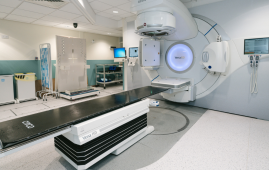 Low-Dose Radiation Therapy Shows Promise in Early Knee OA
Key Points Low-dose radiation therapy was.
 Oral Hormone Replacement Therapy Raises Blood Clot Risk
Key Points Oral hormone replacement therapy.
 GLP-1 Health Information: Quality, Completeness, & Engagement
Key Points A study assessed 128.
 DNA Damage Response May Drive Biological Aging
Key Points Chronic DNA damage response.
 Maternal Diet Fails to Reduce Infant Egg and Peanut Allergy
Key Points A large Australian randomized.
 Psychedelic-Assisted Psychotherapy: Music in Treatment
Key Takeaways Psychedelic-assisted psychotherapy combines psychedelic.
 Cardiovascular Frailty Links Heart Health and Aging
Key Points Cardiovascular frailty may connect.
 Laser Blended Vision: Simple Test Predicts Success
Key Points A simple phoropter-based test.
 Pink Noise Boosts Brain Waste Clearance During Sleep
Key Points Pink noise delivered during.
 Psilocybin Microdosing Research Raises Key Questions
Key points: Psilocybin microdosing research shows.
Leave a Comment