
Pregnancy Triggers Brain Changes for Maternal Health

A groundbreaking study published in Nature Communications has revealed how pregnancy significantly alters brain structure, offering valuable insights into maternal instincts and mental health. The research, led by a team of scientists, focused on first-time mothers and used advanced neuroimaging techniques to track changes in brain volume throughout pregnancy and the postpartum period.
The study uncovered a U-shaped trajectory in gray matter (GM) volume in the brain. Initially, GM volume decreases during pregnancy—especially in the Default Mode and Frontoparietal networks, which are involved in self-referential thinking and social cognition. These changes are thought to help prepare the brain for the demands of motherhood.
The most substantial reductions in GM were observed in the second trimester (a 2.7% decrease) and just before delivery (a 4.9% decline). However, these changes were followed by a recovery of about 3.4% in GM volume by six months postpartum.
Researchers suggest that these alterations are primarily driven by hormonal fluctuations, particularly estrogen levels. Specifically, two hormones—estriol sulfate and estrone sulfate—were found to be strongly associated with these changes in GM volume. Interestingly, parenting experience alone, such as caregiving from non-gestational mothers (partners), did not appear to influence brain structure.
The study also highlighted the significant role of maternal mental health in brain changes. Mental well-being was found to mediate over 50% of the relationship between GM recovery and maternal attachment. This emphasizes the crucial link between psychological health and brain changes during the transition to motherhood.
This research fills a critical gap in understanding the neurological aspects of pregnancy and their long-term effects on maternal health. By uncovering the relationship between hormonal shifts, brain structure, and mental well-being, the study offers new directions for improving maternal care and mental health support during and after pregnancy. The findings suggest that these brain changes may have lasting effects, helping mothers develop stronger maternal bonds and better psychological resilience.
Register for Effective Management of Psychiatric Care for more insights.
More information: Servin-Barthet, C., Martínez-García, M., Paternina-Die, M. et al. Pregnancy entails a U-shaped trajectory in the human brain structure linked to hormones and maternal attachment. Nat Commun 16, 730 (2025), DOI – 10.1038/s41467-025-55830-0, https://www.nature.com/articles/s41467-025-55830-0

 Gamma Oscillations Restored in Alzheimer’s Disease Mice
Key takeaways Researchers restored parvalbumin (PV).
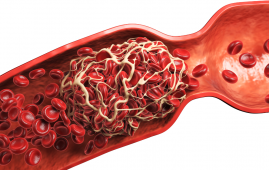 Coffee Consumption Linked to Lower Recurrent VTE Risk
Key points at a glance Study.
 Body Roundness Index Linked to Higher Heart Attack Risk
Key findings at a glance Study.
 Maternal Diet Fails to Reduce Infant Egg and Peanut Allergy
Key Points A large Australian randomized.
 Visual Impairment Linked to Higher Dementia Risk
Key findings at a glance A.
 Long-Acting HIV Treatment May Help Drug-Resistant Cases
Key Takeaways A UCSF study found.
 Night Shift Work Alters Key Circadian Gene Expression
A recent study published in Frontiers.
 Tirzepatide Weight Loss: Fat Mass and Muscle Findings
Key points Tirzepatide was associated with.
 Coffee and Gut Microbiome: Brewing and Metabolic Effects
Key Points Coffee contains caffeine, chlorogenic.
 Low-Dose Radiation Therapy Shows Promise in Early Knee OA
Key Points Low-dose radiation therapy was.
Leave a Comment