
Study: Impact of Lung Cancer Screening on Stage Migration and Mortality among the National VA Lung Cancer Population

Among US veterans diagnosed with lung cancer through the Veterans Health Administration health care system, those who completed screening prior to diagnosis were more likely to be diagnosed with earlier stage disease and had a greater cure rate than those who did not receive screening.
The results are from an observational research published online in Wiley – Cancer.
Lung cancer is the largest cause of cancer death worldwide, with the majority of patients diagnosed at an advanced stage. Early detection through screening could save lives, and current recommendations suggest that persons aged 50 to 80 with at least a 20-pack-year smoking history who smoke now or have quit within the last 15 years should have annual imaging testing for lung cancer.
Although such screening has been found to be useful in clinical studies, there is limited evidence on the real-world effectiveness of pulmonary cancer screening. To explore, researchers examined the impact of screening on individuals diagnosed with lung cancer in the Veterans Health Administration health care system between 2011 and 2018.
Among the 57,919 people diagnosed with lung cancer, 2,167 (3.9%) were screened prior to diagnosis. Over five years, patients who received screening had a greater rate of early (stage I) diagnosis (52% versus 27%), as well as reduced rates of death from any cause (49.8% versus 72.1%) and cancer (41.0% versus 70.3%).
“It is incredible to witness how dedicated national efforts to increase lung cancer screening from the Lung Precision Oncology Program can lead to substantial improvements in lung cancer outcomes,” said co–corresponding author Michael Green, MD, Ph.D., of the University of Michigan and the Veterans Affairs Ann Arbor Health care System.

 Brain-Computer Interface Uses EEG in Unresponsive Patients
Key findings at a glance Mind-controlled.
 Gamma Oscillations Restored in Alzheimer’s Disease Mice
Key takeaways Researchers restored parvalbumin (PV).
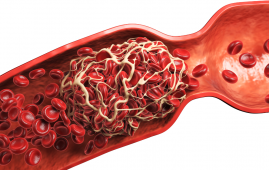 Coffee Consumption Linked to Lower Recurrent VTE Risk
Key points at a glance Study.
 Body Roundness Index Linked to Higher Heart Attack Risk
Key findings at a glance Study.
 Maternal Diet Fails to Reduce Infant Egg and Peanut Allergy
Key Points A large Australian randomized.
 Visual Impairment Linked to Higher Dementia Risk
Key findings at a glance A.
 Long-Acting HIV Treatment May Help Drug-Resistant Cases
Key Takeaways A UCSF study found.
 Night Shift Work Alters Key Circadian Gene Expression
A recent study published in Frontiers.
 Tirzepatide Weight Loss: Fat Mass and Muscle Findings
Key points Tirzepatide was associated with.
 Coffee and Gut Microbiome: Brewing and Metabolic Effects
Key Points Coffee contains caffeine, chlorogenic.
Leave a Comment