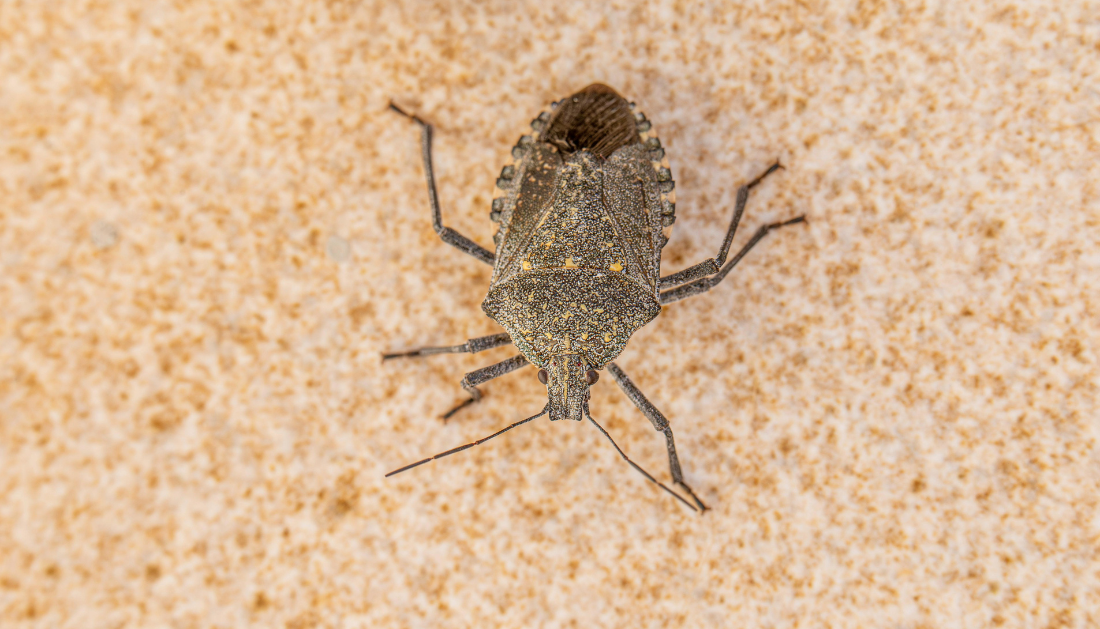
Rising Chagas Parasite Near U.S. Homes Alarms Researchers

Rising Chagas parasite rates in kissing bugs are drawing renewed attention from public health experts following a new study led by researchers at The University of Texas at El Paso (UTEP). The findings reveal an unusually high prevalence of Trypanosoma cruzi, the parasite responsible for Chagas disease, in insect populations collected across El Paso County, Texas, and southern New Mexico.
Kissing bugs, known vectors of Chagas disease, were found in proximity to residential environments, including yards, firewood stacks, garden furniture, school areas, and natural sites such as Franklin Mountains State Park. Of the 26 insects collected, 88.5% tested positive for T. cruzi, a significant increase from 63.3% reported in the same region in 2021.
For clinicians, nurses, and public health professionals, these findings suggest a growing need for awareness, surveillance, and early detection strategies within the Southwestern United States.
Chagas disease affects an estimated 6 million people globally, with the highest burden historically reported in Latin America. However, the latest data indicate that Chagas is no longer a geographically limited disease.
The infection often enters a chronic phase, remaining asymptomatic for years or even decades. Without early diagnosis, patients may later present with cardiomyopathy, arrhythmias, megacolon, or esophageal complications, making delayed detection a major clinical challenge.
According to Dr. Rosa Maldonado, lead investigator and professor of biological sciences at UTEP, the sharp increase in infected vectors reflects a concerning upward trend. The study, published in Epidemiology & Infection, emphasizes the need for clinicians to consider Chagas disease in differential diagnoses, particularly in patients from border regions or endemic exposure zones.
The research team highlights practical prevention measures relevant to patient education and community health initiatives:
Looking ahead, UTEP researchers plan to assess whether residents in El Paso communities already show evidence of T. cruzi infection, data that could further inform screening and public health policies.
As Chagas disease in the United States becomes an emerging concern, the findings reinforce the importance of interdisciplinary collaboration among infectious disease specialists, nurses, primary care providers, and epidemiologists. Increased clinician awareness may play a pivotal role in identifying undiagnosed cases and reducing long-term complications.

 Tirzepatide Weight Loss: Fat Mass and Muscle Findings
Key points Tirzepatide was associated with.
 Dietary Polyphenol Intake Associated With Lower MCI Odds
Key Points Older adults without mild.
 Smoking and Loneliness Linked in Large European Study
Key points: A Europe-wide study of.
 Malaria Vaccination Turns Mosquito Bites Into Immune Boosters
Key takeaways: WEHI researchers developed a.
 Lead Exposure in Indoors and Contamination in Soil
Key Points Lead contamination in soil.
 Drinking Water With Meals Linked to Higher Food Intake
Key Points Summary A new Appetite.
 Cyclosporiasis Risk: Who Faces the Highest Threat?
Key Summary Cyclosporiasis cases are increasing.
 EP2 Receptor Research Opens New Path for Healthy Aging
Key Points Researchers identified the EP2.
 Lifestyle Behaviors and Mood Linked in Daily Life Study
Key Points A 70-day diary study.
 England Obesity Prevalence Climbs to 30%, Lancet Study
Key Points A nationwide study of.
Leave a Comment