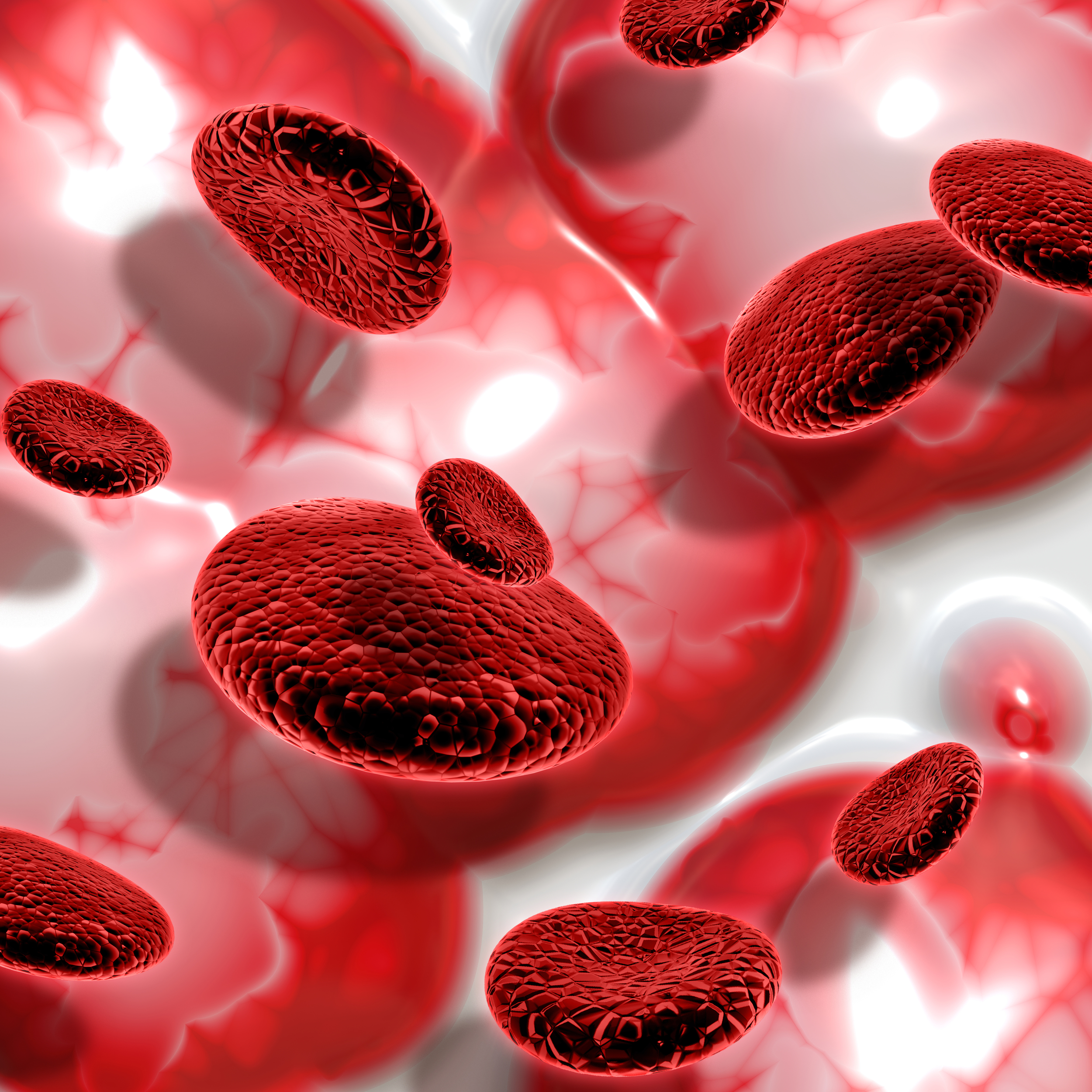
Image by kjpargeter on Freepik

According to a new study, the number of deaths caused by sickle cell disease is 11 times more than what is suggested by mortality data alone. This disease not only goes undiagnosed, but it also raises the risk of infection and death from illnesses such as stroke, heart disease, renal disease, and pregnancy issues.
This means that a doctor caring for a sickle cell disease patient who died from a stroke may not have known that person had this disease or may not have known that sickle cell disease can cause stroke, both of which could lead to the doctor failing to list the disease as a cause of death for that person.
When other sources of data on prevalence and birth incidence were combined with mortality data in epidemiological modeling, in 2021, the “total mortality burden” of sickle cell disease was 373,000 deaths, compared to 34,600 sickle-cell-only deaths, or “cause-specific deaths.” The increase was especially pronounced in South Asia and sub-Saharan Africa, where the fatality figures were 67 times higher and nine times higher, respectively.
The study examined worldwide health statistics from 2000 to 2021 and was published today in the journal The Lancet Haematology. The study is a component of the Global Burden of Disease 2021 study, which is led by the Institute for Health Metrics and Evaluation (IHME) at the University of Washington School of Medicine.
“Our research reveals the stark reality that sickle cell disease is far deadlier than its textbook description,” says senior author Dr. Nicholas Kassebaum, Adjunct Associate Professor at IHME. “The number of babies born with this disease is rising, which means a very difficult early childhood. Patients are more susceptible to infections and other severe conditions, so early detection is key for treatment.”
In 2021, half a million babies were born with sickle cell disease, with Sub-Saharan Africa accounting for more than three-quarters of these births. In terms of total mortality load (including secondary illnesses), this disease was the 12th highest cause of death in children under the age of five worldwide. However, in Portugal, Jamaica, Libya, Oman, and San Marino, overall the mortality of this disease was among the top three causes of death.
“Improved data collection is critical to tracking progress on sickle cell disease. In order to overcome this data limitation, instead of using mortality data alone to estimate total sickle cell disease deaths, we used a mathematical algorithm that also takes input data from birth incidence, survival over time, and prevalence, and ensures these measures are internally consistent,” explains Azalea Thomson, first author and IHME researcher on the Neonatal and Child Health Team.
“By making use of all available data, we were able to strengthen our understanding of the true burden of this disease and better contextualize it alongside other leading causes of death. For example, in 2021, in kids under 5 years in sub-Saharan Africa, total sickle cell deaths exceeded those from malnutrition, measles, or syphilis.”
The study also emphasizes the importance of politicians and public health advocates addressing the mostly unrecognized impact of sickle cell disease. Universal newborn screening, case monitoring through public registries, and early intervention treatment can help the 8 million people who suffer from this disease.
Universal newborn screening is essential for early diagnosis and management of sickle cell disease,” says Dr. Theresa McHugh, scientific writer at IHME who focuses on neonatal and child health. “In low- and middle-income countries, the newborn screening process is fragmented. In the US, newborn screening is universal, but a national registry does not yet exist. Increased global awareness and adoption of health policies that expand neonatal screening and make treatment more accessible will go a long way in improving health outcomes.”

 Night Shift Work Alters Key Circadian Gene Expression
A recent study published in Frontiers.
 Tirzepatide Weight Loss: Fat Mass and Muscle Findings
Key points Tirzepatide was associated with.
 Coffee and Gut Microbiome: Brewing and Metabolic Effects
Key Points Coffee contains caffeine, chlorogenic.
 Low-Dose Radiation Therapy Shows Promise in Early Knee OA
Key Points Low-dose radiation therapy was.
 Oral Hormone Replacement Therapy Raises Blood Clot Risk
Key Points Oral hormone replacement therapy.
 GLP-1 Health Information: Quality, Completeness, & Engagement
Key Points A study assessed 128.
 DNA Damage Response May Drive Biological Aging
Key Points Chronic DNA damage response.
 Maternal Diet Fails to Reduce Infant Egg and Peanut Allergy
Key Points A large Australian randomized.
 Psychedelic-Assisted Psychotherapy: Music in Treatment
Key Takeaways Psychedelic-assisted psychotherapy combines psychedelic.
 Cardiovascular Frailty Links Heart Health and Aging
Key Points Cardiovascular frailty may connect.
Leave a Comment