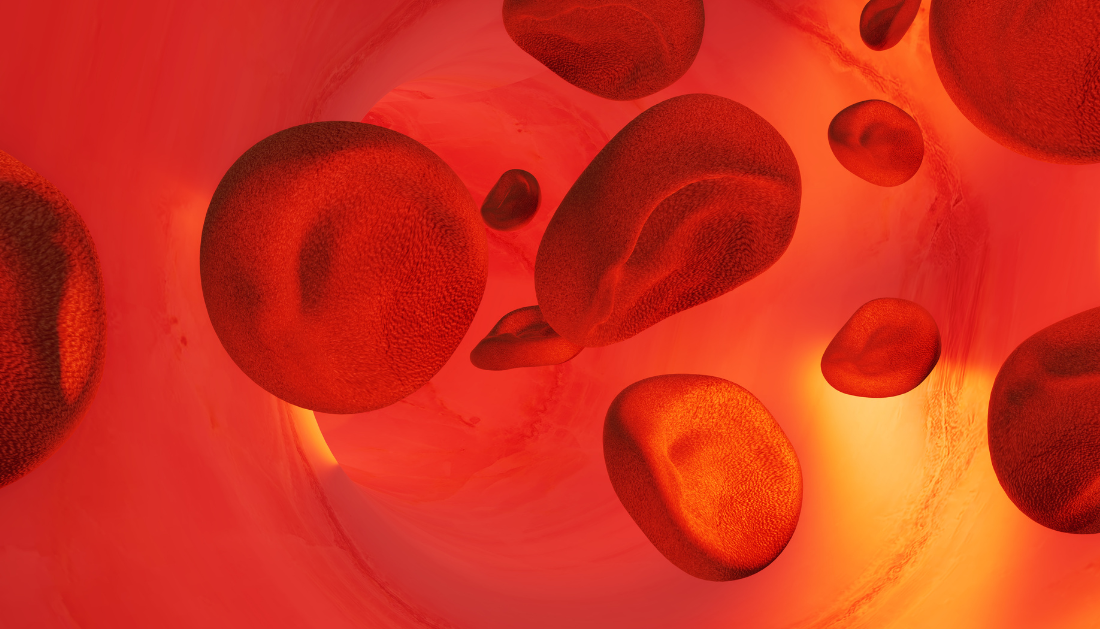
Sickle Cell Gene Therapy Partnership Expands Global Access

Sickle Cell Disease (SCD) remains one of the most prevalent inherited blood disorders globally, disproportionately affecting populations in low- and middle-income regions. While gene therapies for SCD have shown durable clinical benefit, costs exceeding USD 3 million per treatment have limited access for most patients.
To confront this disparity, Caring Cross, a non-profit focused on equitable access to advanced therapies, has partnered with Boston Children’s Hospital to create a sustainable pathway for global delivery of Sickle Cell Gene Therapy.
At the core of the agreement is a worldwide license for lentiviral-based BCL11A-LCR shRNAmiR technology, developed through foundational research at Boston Children’s Hospital. The therapy works by reactivating fetal hemoglobin production, reducing sickling and associated complications, with the potential for lifelong benefit.
Clinical data presented at the 2025 American Society of Haematology (ASH) Annual Meeting demonstrated that patients treated with the BCL11A shRNA-based therapy achieved sustained increases in fetal hemoglobin alongside a marked reduction in SCD disease manifestations.
According to investigators, findings from the ongoing Phase II GRASP trial (NCT05353647) confirm the therapy’s safety profile and durable efficacy. The approach leverages established stem cell transplantation infrastructure, making it adaptable for hospitals already performing bone marrow transplants.
For haematologists, transplant specialists, and oncology nurses, this represents a practical step toward integrating gene-modified stem cell therapies into broader clinical settings.
The partnership distinguishes itself through Caring Cross’s decentralized “place-of-care” manufacturing model, enabling gene-modified stem cell production at local treatment centers. This model significantly lowers cost barriers while supporting regulatory and operational feasibility across diverse healthcare systems.
The initiative prioritizes regions with the highest SCD burden, including sub-Saharan Africa, India, the Middle East, and the Global South, with the long-term goal of establishing gene therapy as a global standard of care for SCD and potentially beta thalassemia.
For healthcare professionals, this collaboration signals a meaningful shift, from innovation limited to select centers, toward accessible, scalable gene therapy solutions grounded in clinical evidence and health equity.

 Stroke Rehabilitation: Early High-Intensity Therapy Findings
Key Highlights High-intensity therapy within 2.
 TRPM8 Cold Sensation Mechanism Explained for Pain Care
Quick Summary TRPM8 ion channel converts.
 Gum Recession from Snus Confirmed, Caries Risk Debated
Key Highlights Snus use is strongly.
 Hypertensive Disorders of Pregnancy: Role of Daily Activity
Key Points Summary Limiting sedentary time.
 Climate Change Drives Dengue Outbreaks Globally
Key Takeaways Extreme weather significantly increases.
 Teen Driving Risks: Parents Underestimate Safety Threats
Key Takeaways Teen driving risks remain.
 PFK Enzyme Dual Role in Metabolism and Cell Cycle
Key Highlights Phosphofructokinase (PFK Enzyme) shows.
 Exercise During Chemotherapy Supports Brain Health
Key Points Summary A nationwide clinical.
 Invasive Cosmetic Procedures Raise Patient Safety Concerns
Key Summary Experts publishing in The.
 Oligometastatic Pancreatic Cancer: New Global Consensus
Key Points Summary An international expert.
Leave a Comment