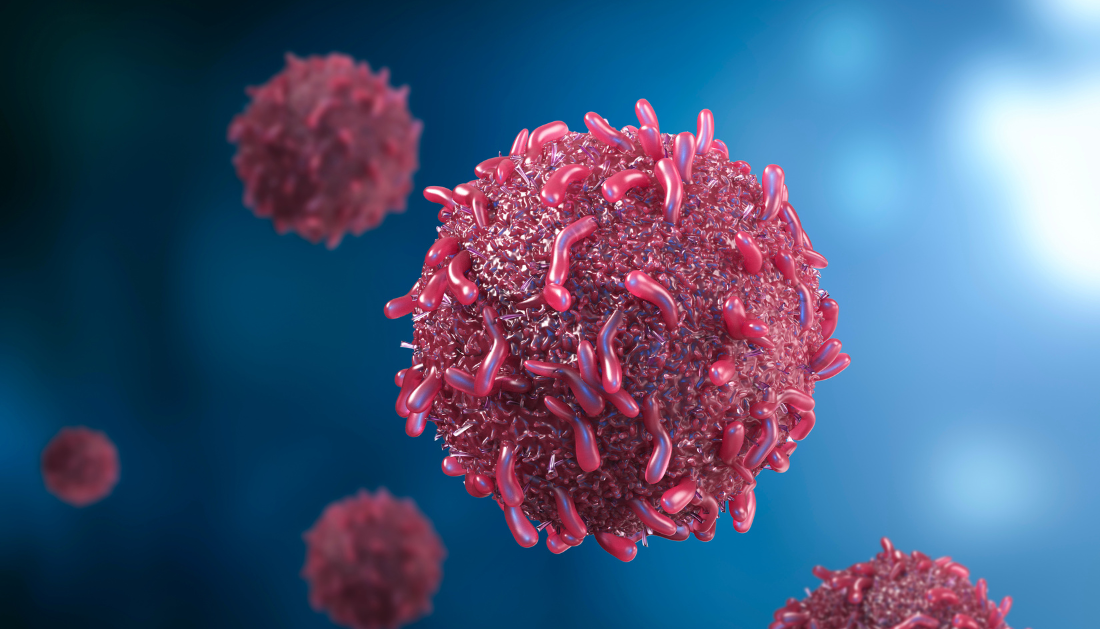
Silica Nanomatrix Shows Potential in Solid Tumors

Cancer continues to impose a heavy global burden, including in Hong Kong, where it accounts for nearly one-third of disease-related deaths. While chemotherapy remains a mainstay, toxicity and relapse remain persistent challenges.
Cellular immunotherapies such as CAR-T cells have transformed hematologic cancer care, yet their effectiveness in solid tumors is limited by safety risks, immune overactivation, and high cost. Against this backdrop, silica nanomatrix immunotherapy offers a practical and scalable direction for improving cancer vaccines.
Dendritic cell (DC) therapy relies on harvesting patient monocytes, training them to recognize tumor antigens, and reinfusing them to trigger a T-cell–mediated immune response. Although safer than many systemic therapies, DC vaccines have shown inconsistent outcomes and require complex manufacturing.
A multidisciplinary team led by Professor Yung Kin-lam at The Education University of Hong Kong developed a natural, non-toxic silica nanomatrix that addresses these barriers. The matrix promotes efficient DC maturation and induces a unique Z-shaped cell morphology, increasing surface contact area and biophysical signaling. This structural change improves antigen presentation, enhances T-cell recognition, and strengthens tumor cell killing, helping immune cells detect tumors that typically evade immune surveillance.
Preclinical studies demonstrate that silica nanomatrix-conditioned DCs can suppress tumor growth, extend immune memory, and improve durability of anti-tumor responses. Importantly, the entire DC culture process occurs ex vivo, independent of the patient’s immune status. This makes the therapy particularly relevant for patients with weakened immunity following chemotherapy, a common scenario in oncology practice.
The platform was developed with standardization and large-scale manufacturing in mind, potentially reducing cost and variability that currently limit DC vaccine adoption in clinical settings. For oncology nurses and allied professionals, this may translate into safer administration profiles and more predictable patient monitoring pathways.
Professor Yung notes that by relying on biophysical cues rather than high-risk genetic manipulation, the silica nanomatrix provides a safer route for immune modulation. Ongoing plans include collaboration with hospitals and research centers in Hong Kong and Mainland China to refine protocols and assess clinical efficacy. Future investigations will evaluate applications in autoimmune diseases such as systemic lupus erythematosus and multiple sclerosis, expanding the relevance of this platform across immunology.

 Gum Recession from Snus Confirmed, Caries Risk Debated
Key Highlights Snus use is strongly.
 Hypertensive Disorders of Pregnancy: Role of Daily Activity
Key Points Summary Limiting sedentary time.
 Climate Change Drives Dengue Outbreaks Globally
Key Takeaways Extreme weather significantly increases.
 Teen Driving Risks: Parents Underestimate Safety Threats
Key Takeaways Teen driving risks remain.
 PFK Enzyme Dual Role in Metabolism and Cell Cycle
Key Highlights Phosphofructokinase (PFK Enzyme) shows.
 Exercise During Chemotherapy Supports Brain Health
Key Points Summary A nationwide clinical.
 Invasive Cosmetic Procedures Raise Patient Safety Concerns
Key Summary Experts publishing in The.
 Oligometastatic Pancreatic Cancer: New Global Consensus
Key Points Summary An international expert.
 Endometriosis Screening Tool May Cut Diagnosis Delays
Key Points Researchers from the University.
 Influenza Vulnerability Index Maps Flu Risk Across US States
Key Points Researchers developed a new.
Leave a Comment