
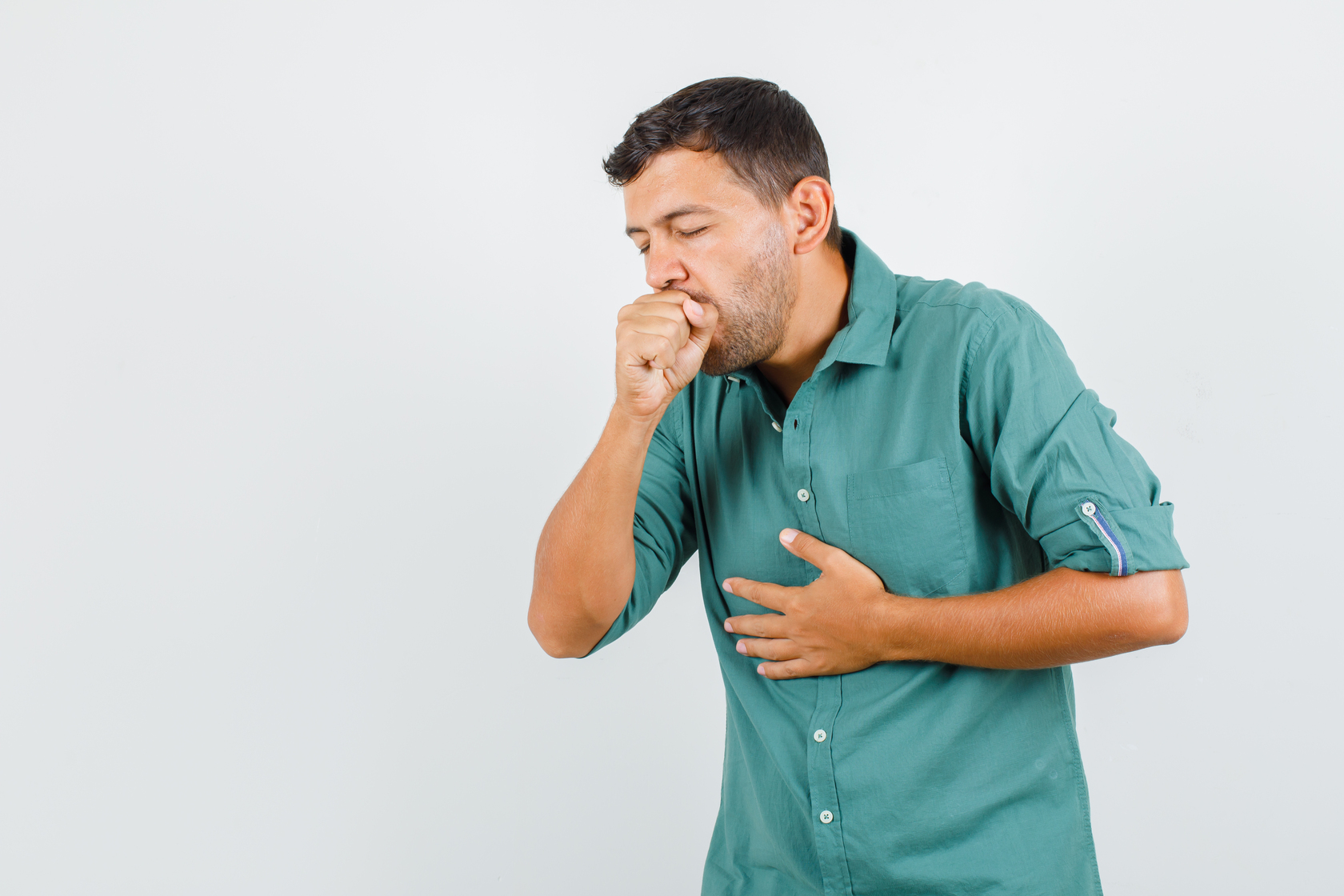
TB is the world’s deadliest bacterial disease, primarily affecting the lungs. Recent years have seen an upsurge in drug-resistant tuberculosis diagnoses, leaving many patients with few therapeutic alternatives. The single vaccination, BCG, is generally inefficient at preventing tuberculosis in adults.
The germs that cause tuberculosis enter the lungs through inhalation into the alveoli (air sacs). Alveolar epithelial cells border the air sacs, forming a barrier between the external environment and the underlying lung tissue. TB bacteria can infiltrate alveolar epithelial cells and form a reservoir, allowing them to grow quickly and move to other parts of the lung.
RCSI and Trinity researchers previously demonstrated that the vitamin A derivative all-trans-retinoic acid (ATRA) is a promising host-directed therapy capable of activating ‘professional’ immune cells such as macrophages to destroy tuberculosis.
They investigated whether ATRA would have a similar effect on infected alveolar epithelial cells. Dr. Ahmad Bahlool and Professor Sally-Ann Cryan of RCSI led the study, which was conducted in partnership with Dr. Mary O’Sullivan and Professor Joseph Keane of the TB Immunology Research Group at the Trinity Translational Medicine Institute, St. James’ Hospital.
Biodegradable nanoparticles
RCSI researchers employed a technique known as’microfluidics’ to create inhalable biodegradable nanoparticles (NPs) containing the vitamin A derivative ATRA, which are small enough to be used in a nebulizer and reach the alveoli in the lung. When tested in the lab at Trinity College, the researchers discovered that NPs containing ATRA, as well as ATRA alone, might enable alveolar epithelial cells to inhibit the growth of tuberculosis germs without causing hazardous side effects.
The study found that, despite their susceptibility to tuberculosis infection, alveolar epithelial cell defenses can be strengthened by ATRA to effectively eradicate the germs. The findings hold promise for future research into ATRA-loaded NP formulations as inhaled host-directed TB treatments.
Professor Sally-Ann Cryan, Professor of Drug Delivery and Pharmacoengineering at RCSI’s School of Pharmacy and Biomolecular Sciences, stated, “This work involved close collaboration between pharmaceutical, clinical, and industrial research groups to produce a novel, inhalable nanomedicine that can be easily scaled up for further pre-clinical and clinical testing as an inhaled therapy for tuberculosis.”
Professor Joe Keane of Clinical Medicine at Trinity College Dublin and St. James’s Hospital Dublin stated, “This exciting new data contributes to a new paradigm of how the body fights tuberculosis.” Lung airway cells can now be converted into effective TB killers.”
This research was supported by grants from the Royal City of Dublin Hospital Trust and the Health Research Board (HRB), the Strategic Academic Recruitment (StAR) international PhD programme at RCSI University of Medicine and Health Sciences, and an Aerosol Society Drug Delivery to the Lung (DDL) career development grant.

more recommended stories
 Brain-Computer Interface Uses EEG in Unresponsive Patients
Key findings at a glance Mind-controlled.
 Gamma Oscillations Restored in Alzheimer’s Disease Mice
Key takeaways Researchers restored parvalbumin (PV).
 Coffee Consumption Linked to Lower Recurrent VTE Risk
Key points at a glance Study.
 Body Roundness Index Linked to Higher Heart Attack Risk
Key findings at a glance Study.
 Maternal Diet Fails to Reduce Infant Egg and Peanut Allergy
Key Points A large Australian randomized.
 Visual Impairment Linked to Higher Dementia Risk
Key findings at a glance A.
 Long-Acting HIV Treatment May Help Drug-Resistant Cases
Key Takeaways A UCSF study found.
 Night Shift Work Alters Key Circadian Gene Expression
A recent study published in Frontiers.
 Tirzepatide Weight Loss: Fat Mass and Muscle Findings
Key points Tirzepatide was associated with.
 Coffee and Gut Microbiome: Brewing and Metabolic Effects
Key Points Coffee contains caffeine, chlorogenic.
Leave a Comment