
Study: Physical activity and pain in people with and without cancer.

People who have had cancer frequently feel persistent pain, but a new study suggests that staying physically active may help reduce its severity. The study was published in Cancer.
Although being physically active has been demonstrated to alleviate a variety of pains, its impact on cancer-related discomfort is unknown. To conduct the study, a team led by senior author Erika Rees-Punia, Ph.D., MPH, of the American Cancer Society, and first author Christopher T.V. Swain, Ph.D., of the University of Melbourne in Australia analyzed data from 51,439 adults without a history of cancer and 10,651 adults who had been diagnosed with cancer previously.
Participants were asked, “How would you rate your pain on average?” with responses ranging from 0 (no pain) to 10 (worst agony possible). Participants were also asked about their regular physical activities.
According to US recommendations, moderate-intensity aerobic physical activity should last 150 minutes (2 hours 30 minutes) to 300 minutes (5 hours) per week, while vigorous-intensity aerobic physical activity should last 75 minutes (1 hour 15 minutes) to 150 minutes (2 hours 30 minutes) per week.
Based on the replies of participants, the authors discovered that higher physical activity was associated with decreased pain intensity for both cancer survivors and those who had never had cancer. The extent of the link was identical for both groups of people, implying that exercise may lower cancer-related pain in the same way that it does for other types of pain that have previously been researched.
Among individuals with a previous cancer diagnosis, those who exceeded physical activity requirements reported 16% less moderate-to-severe pain than those who did not fulfill physical activity standards. Furthermore, compared to people who stayed inactive, those who were regularly active or started active in old age reported reduced discomfort.
Dr. Rees-Punia said, “It may feel counter-intuitive to some, but physical activity is an effective, non-pharmacologic option for reducing many types of pain. As our study suggests, this may include pain associated with cancer and its treatments.”
More information: Physical activity and pain in people with and without cancer, Cancer (2024). DOI: 10.1002/cncr.35208. doi.wiley.com/10.1002/cncr.35208

 Gamma Oscillations Restored in Alzheimer’s Disease Mice
Key takeaways Researchers restored parvalbumin (PV).
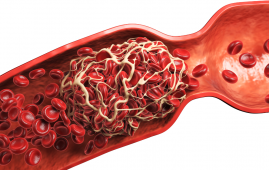 Coffee Consumption Linked to Lower Recurrent VTE Risk
Key points at a glance Study.
 Body Roundness Index Linked to Higher Heart Attack Risk
Key findings at a glance Study.
 Maternal Diet Fails to Reduce Infant Egg and Peanut Allergy
Key Points A large Australian randomized.
 Visual Impairment Linked to Higher Dementia Risk
Key findings at a glance A.
 Long-Acting HIV Treatment May Help Drug-Resistant Cases
Key Takeaways A UCSF study found.
 Night Shift Work Alters Key Circadian Gene Expression
A recent study published in Frontiers.
 Tirzepatide Weight Loss: Fat Mass and Muscle Findings
Key points Tirzepatide was associated with.
 Coffee and Gut Microbiome: Brewing and Metabolic Effects
Key Points Coffee contains caffeine, chlorogenic.
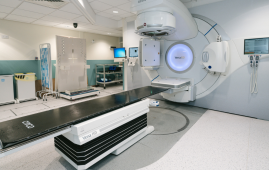 Low-Dose Radiation Therapy Shows Promise in Early Knee OA
Key Points Low-dose radiation therapy was.
Leave a Comment