
Women’s Health: 195 New Genetic Risks Revealed

In a groundbreaking study published in Nature Medicine, researchers have identified 195 genetic risk factors tied to 42 female reproductive health conditions, marking a major advance in understanding how genetics shapes women’s reproductive health. Conducted using data from nearly 300,000 women in Estonia and Finland, this research sheds light on the genetic underpinnings of conditions like polycystic ovary syndrome (PCOS), endometriosis, uterine fibroids, and intrahepatic cholestasis of pregnancy (ICP)—conditions that affect millions of women globally.
Female reproductive health disorders, from infertility to pregnancy complications, are often driven by complex genetic and environmental factors. However, many genetic contributors remain unknown, limiting diagnostic and treatment options. This study addresses that gap by identifying new genetic loci that could predict risk, guide early interventions, and inform personalized medicine for women.
“Many of these conditions are poorly understood, but our DNA holds vital clues that could revolutionize how we approach diagnosis and care,” say researchers from Estonian and Norwegian research teams.
The study developed a polygenic risk score for ICP, a serious pregnancy complication:
The research underscores that reproductive health issues are genetically complex—driven by many small genetic variations rather than single genes. It also highlights the importance of studying diverse populations, as some genetic risks are unique to specific groups, like Estonians and Finns.
Lead authors emphasize that while these insights are transformative, further research in more diverse populations is critical to ensuring global applicability. Additionally, integrating genetic risk with environmental and lifestyle factors will help fine-tune prevention and care strategies.
This landmark genetic study is poised to redefine women’s reproductive health, moving from generalized care to precision medicine. By understanding the genetic roots of reproductive disorders, clinicians may soon offer personalized solutions to millions of women worldwide—empowering women to manage their reproductive health proactively.
More Information: Pujol Gualdo, N., Džigurski, J., Rukins, V. et al. Atlas of genetic and phenotypic associations across 42 female reproductive health diagnoses. Nat Med (2025), DOI: 10.1038/s41591-025-03543-8, https://www.nature.com/articles/s41591-025-03543-8

 Brain-Computer Interface Uses EEG in Unresponsive Patients
Key findings at a glance Mind-controlled.
 Gamma Oscillations Restored in Alzheimer’s Disease Mice
Key takeaways Researchers restored parvalbumin (PV).
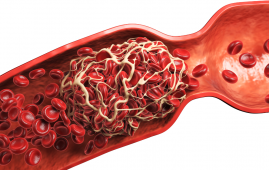 Coffee Consumption Linked to Lower Recurrent VTE Risk
Key points at a glance Study.
 Body Roundness Index Linked to Higher Heart Attack Risk
Key findings at a glance Study.
 Maternal Diet Fails to Reduce Infant Egg and Peanut Allergy
Key Points A large Australian randomized.
 Visual Impairment Linked to Higher Dementia Risk
Key findings at a glance A.
 Long-Acting HIV Treatment May Help Drug-Resistant Cases
Key Takeaways A UCSF study found.
 Night Shift Work Alters Key Circadian Gene Expression
A recent study published in Frontiers.
 Tirzepatide Weight Loss: Fat Mass and Muscle Findings
Key points Tirzepatide was associated with.
 Coffee and Gut Microbiome: Brewing and Metabolic Effects
Key Points Coffee contains caffeine, chlorogenic.
Leave a Comment