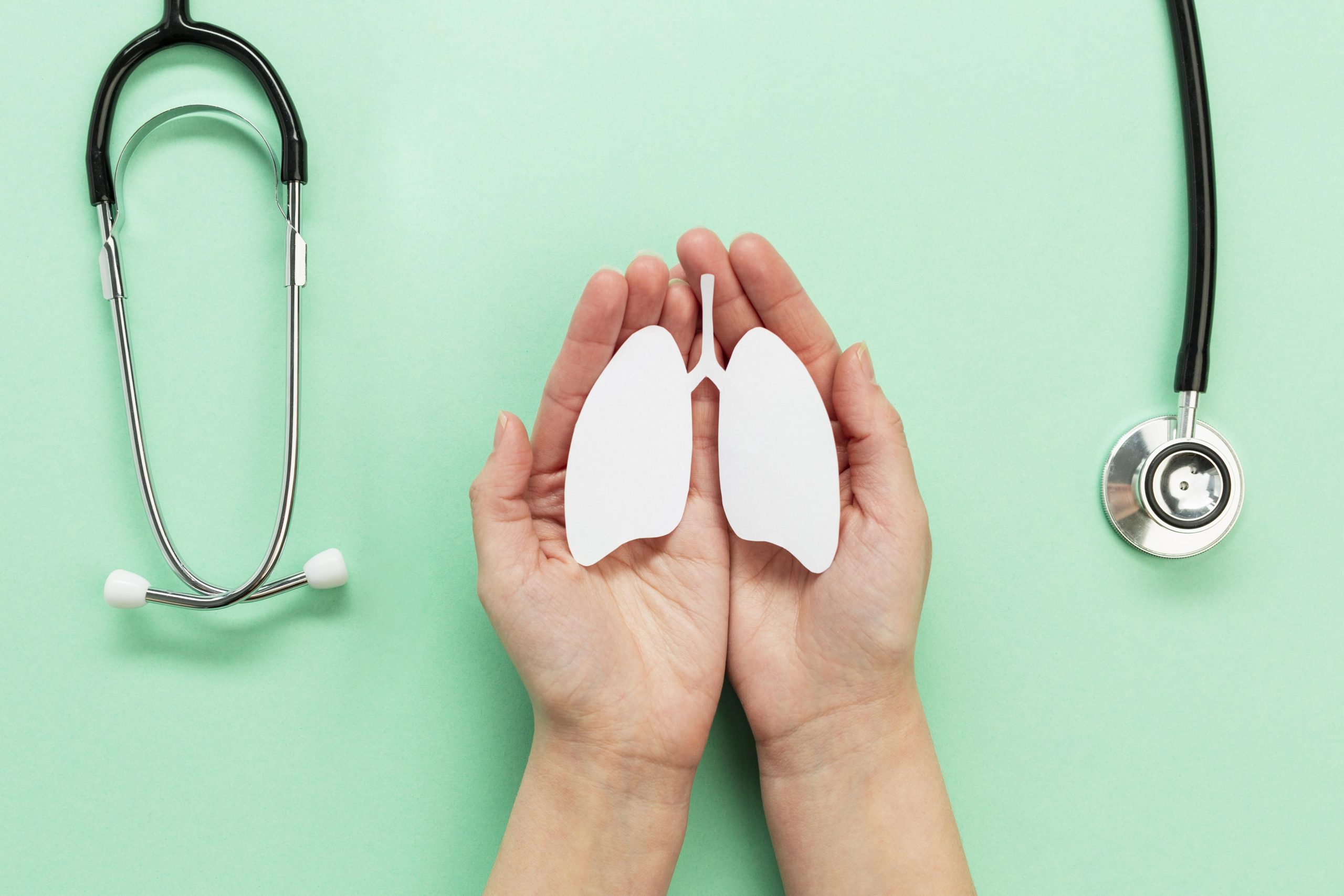
Image by Freepik

According to research led by a team of experts from the Toronto Lung Transplant Program in the Ajmera Transplant Centre at the University Health Network (UHN), storing donor lungs for transplant at 10 degrees Celsius significantly enhances the amount of time the organ can exist outside the body. The 70-patient prospective multicenter, nonrandomized clinical trial investigation found that donor lungs stayed healthy and viable for transplant up to four times longer than when stored at the current norm of ice cooler preservation of roughly 4 degrees Celsius.
“The clinical impact of this study is huge. It’s a paradigm shift for the practice of lung transplant,” says lead author Dr. Marcelo Cypel, Surgical Director of the Ajmera Transplant Centre and a surgeon within the Sprott Department of Surgery at UHN.
“I have no doubt that this will become the gold standard practice of lung preservation for the foreseeable future.”
The availability of lung transplants is now limited by the amount of time a donor organ may be maintained alive. raising storage duration permits viable donor lungs to travel greater distances, raising the possibility of more lungs becoming available for transplant and overcoming many of the logistical challenges associated with transplantation.
“In transplant, we still see a critical shortage of organs and people dying on the waitlist because there are not enough lungs to be transplanted,” says Dr. Cypel, who is also a Professor in the Division of Thoracic Surgery, Department of Surgery at U of T.
It’s a great accomplishment to see that our research is now having an impact and that we can actually have more cases done at our center, with continued outstanding clinical results. Better organ preservation also means better outcomes for patients.”
Results of the trial were published today in the NEJM Evidence.
The trial took place over 18 months at UHN’s Toronto General Hospital, the Medical University of Vienna, and Hospital Universitario Puerta de Hierro-Majadahonda in Madrid.
“The ability to extend the lifespan of the donor organ poses several advantages. Ultimately, these advantages will allow for more lungs to be utilized across farther geographies and the ability to improve recipient outcomes by converting lung transplantation into a planned rather than urgent procedure,” says study first author Dr. Aadil Ali, Adjunct Scientist at the Toronto General Hospital Research Institute.
The potential reduction or elimination of the 24/7 schedule and urgency of lung transplant procedures is one of the benefits of this new 10 degrees Celsius standard for organ storage. Transplant surgeries could become planned procedures by expanding the amount of time donor lungs are viable, avoiding bumping scheduled surgeries and overnight transplanting. This progress in practice comes at a critical moment when hospital resources are being taxed and surgical backlogs are increasing owing to the pandemic.
The increased preservation temperature may also allow for additional time to maximize immunologic matching between donors and recipients, as well as the prospect of doing lung transplantation in a semi-elective rather than urgent fashion, according to the study.

 Coffee and Gut Microbiome: Brewing and Metabolic Effects
Key Points Coffee contains caffeine, chlorogenic.
 Low-Dose Radiation Therapy Shows Promise in Early Knee OA
Key Points Low-dose radiation therapy was.
 Oral Hormone Replacement Therapy Raises Blood Clot Risk
Key Points Oral hormone replacement therapy.
 GLP-1 Health Information: Quality, Completeness, & Engagement
Key Points A study assessed 128.
 DNA Damage Response May Drive Biological Aging
Key Points Chronic DNA damage response.
 Maternal Diet Fails to Reduce Infant Egg and Peanut Allergy
Key Points A large Australian randomized.
 Psychedelic-Assisted Psychotherapy: Music in Treatment
Key Takeaways Psychedelic-assisted psychotherapy combines psychedelic.
 Cardiovascular Frailty Links Heart Health and Aging
Key Points Cardiovascular frailty may connect.
 Laser Blended Vision: Simple Test Predicts Success
Key Points A simple phoropter-based test.
 Pink Noise Boosts Brain Waste Clearance During Sleep
Key Points Pink noise delivered during.
Leave a Comment