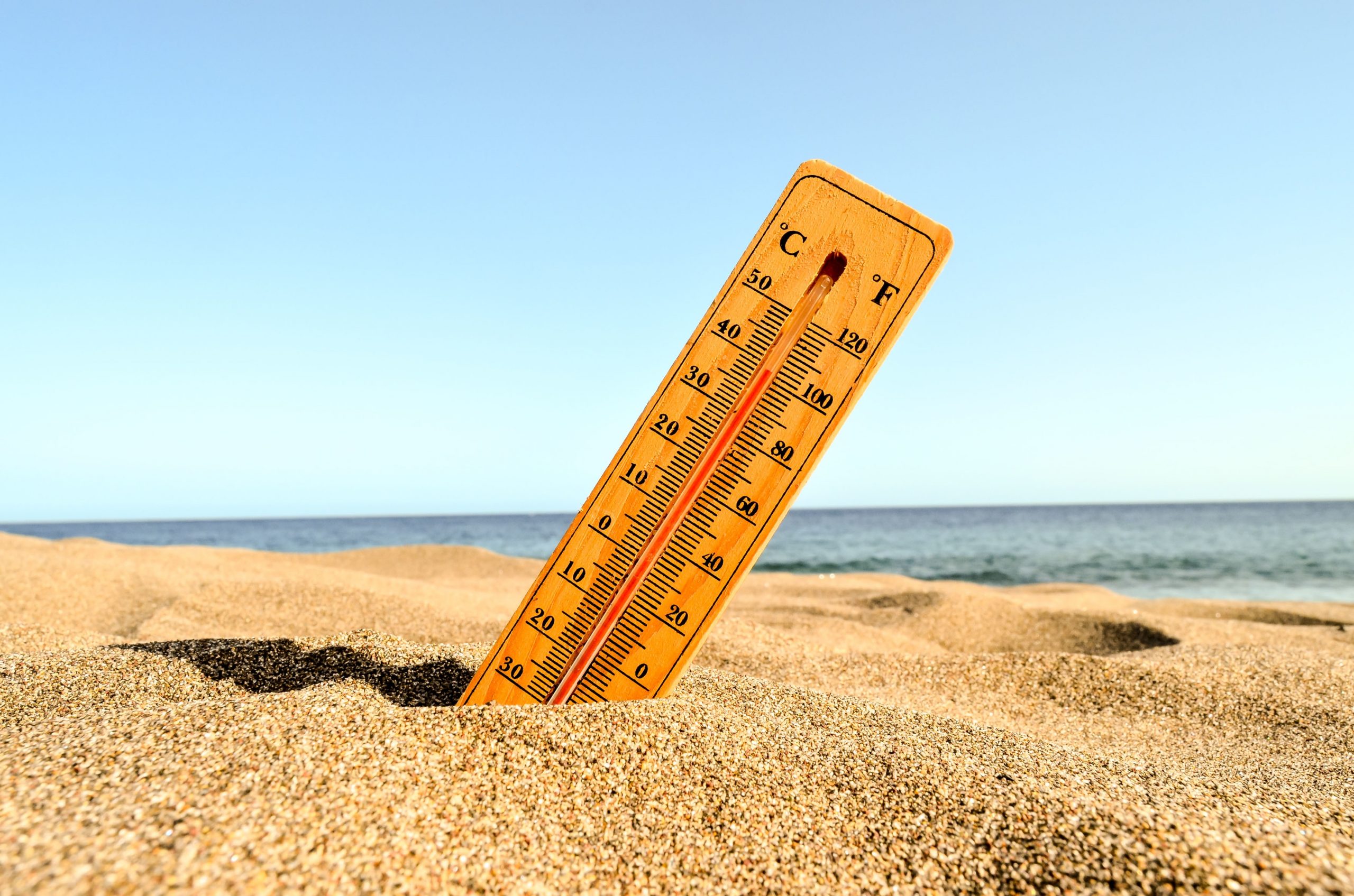
Image by wirestock on Freepik

Prolonged heat waves and hot summer days caused by climate change can be hazardous to human health, causing diseases such as heat stroke and even permanent organ damage or death if not treated promptly. The kidneys, according to faculty at the University of Colorado School of Medicine and the Colorado School of Public Health, are particularly vulnerable to global warming. “Climate change should be of special concern for the nephrologist, as the kidney has a critical role in protecting the host from dehydration, but it is also a favorite target of heat stress and dehydration,” CU researchers stated in the January issue of Nephrology Dialysis Transplantation.
“We used to focus on concerns about infectious diseases as a result of climate change, but we’re now moving into a world in which we’re seeing a shift in the amount and severity of chronic illnesses that also include non-communicable diseases, including kidney disease,” says Lee Newman, MD, distinguished professor of medicine and environmental and occupational health, and director of the Center for Health, Work & Environment on the CU Anschutz Medical Campus.
While excessive heat can result in heat stroke, severe electrolyte disturbances, and acute and chronic kidney disease (CKD), lower degrees of heat stress can also have an impact on the body.
Heat and kidney health
Sarah Young, MD, associate professor of clinical practice in the Department of Medicine, Division of Renal Diseases and Hypertension, explains that the kidneys are metabolically quite active.
“They actually require a quarter of your blood flow, and they’re also an organ that will sacrifice their own well-being in order to preserve blood flow to other places in the body, like the brain,” she says. “So if you get severely dehydrated, your kidneys are going to shut down and stop working in order to supply blood to the rest of the body.”
Damaged kidneys might also have other negative health repercussions throughout the body. CKD, a disorder in which the kidneys are damaged and unable to filter blood correctly, can lead to heart disease, stroke, and an increased susceptibility to climate-change-related ailments.
“The kidneys are a smart organ, and they will compensate when able. However, extreme weather events test the kidneys compensation mechanisms,” Young says. “This is especially true in vulnerable populations, such as the elderly, whose ability to adapt may be compromised.”
Climate adaptation in a warming planet
As the climate continues to warm — according to climate scientists, July was the warmest month on record — Newman and Young predict that more individuals will be exposed to kidney impairment and the health problems that come with it.
Newman has concentrated his efforts on workers who are subjected to high temperatures. In 2016, he began working for Grupo Pantaleon, a global agriculture corporation based in Guatemala with a high rate of kidney illness among its employees.
“In an ideal world, we wouldn’t have anybody developing chronic kidney disease as a result of exposure to heat. Heat and dehydration paired with exposures to kidney toxins is, quite frankly, causing an epidemic,” Newman says. “But, we’re also making inroads. We now have several NIH-funded grants to continue our work in Latin America, and we’re starting to see results.”
According to Newman, the company’s kidney illness rate is now less than 2% at the conclusion of the season. It used to be higher than 6%. Newman and his colleagues have assisted the corporation and its employees in adapting to a hotter environment by modifying rules and regularly monitoring workers’ health and safety.
Young believes that vulnerability will become increasingly dependent on the ability to adapt in all parts of the world, and that characteristics such as socioeconomic level, age, and health can all play a role.
“There’s a whole population that doesn’t have air conditioning and can’t get to a cooling center or who live in urban area where it’s going to be a lot hotter with no green spaces,” she says. “They are going to be more vulnerable than others.”

 Inherited Genetics and Cancer Susceptibility Explained
Key Summary Inherited genetics directly influences.
 Multiple Sclerosis Mortality Trends Reveal Care Gaps in the USA
Key Points Multiple sclerosis mortality in.
 Drinking Water With Meals Linked to Higher Food Intake
Key Points Summary A new Appetite.
 Cyclosporiasis Risk: Who Faces the Highest Threat?
Key Summary Cyclosporiasis cases are increasing.
 EP2 Receptor Research Opens New Path for Healthy Aging
Key Points Researchers identified the EP2.
 Obesity-Associated Leukemia Linked to Inflammation
Key Takeaways Researchers identified how obesity.
 Chronic Xanthan Gum Alters Gut Microbiota and Colon Health
Key Points Chronic xanthan gum consumption.
 Calcific Aortic Valve Stenosis Linked to Gum Disease Bacteria
Key Points Researchers identified a potential.
 Drug Delivery Nanoparticles Studied with New AF4-SANS Tool
Key Points Researchers developed the first.
 Gut-Friendly Diet Linked to Lower CHD Mortality Risk
Key Summary A higher Dietary Index.
Leave a Comment