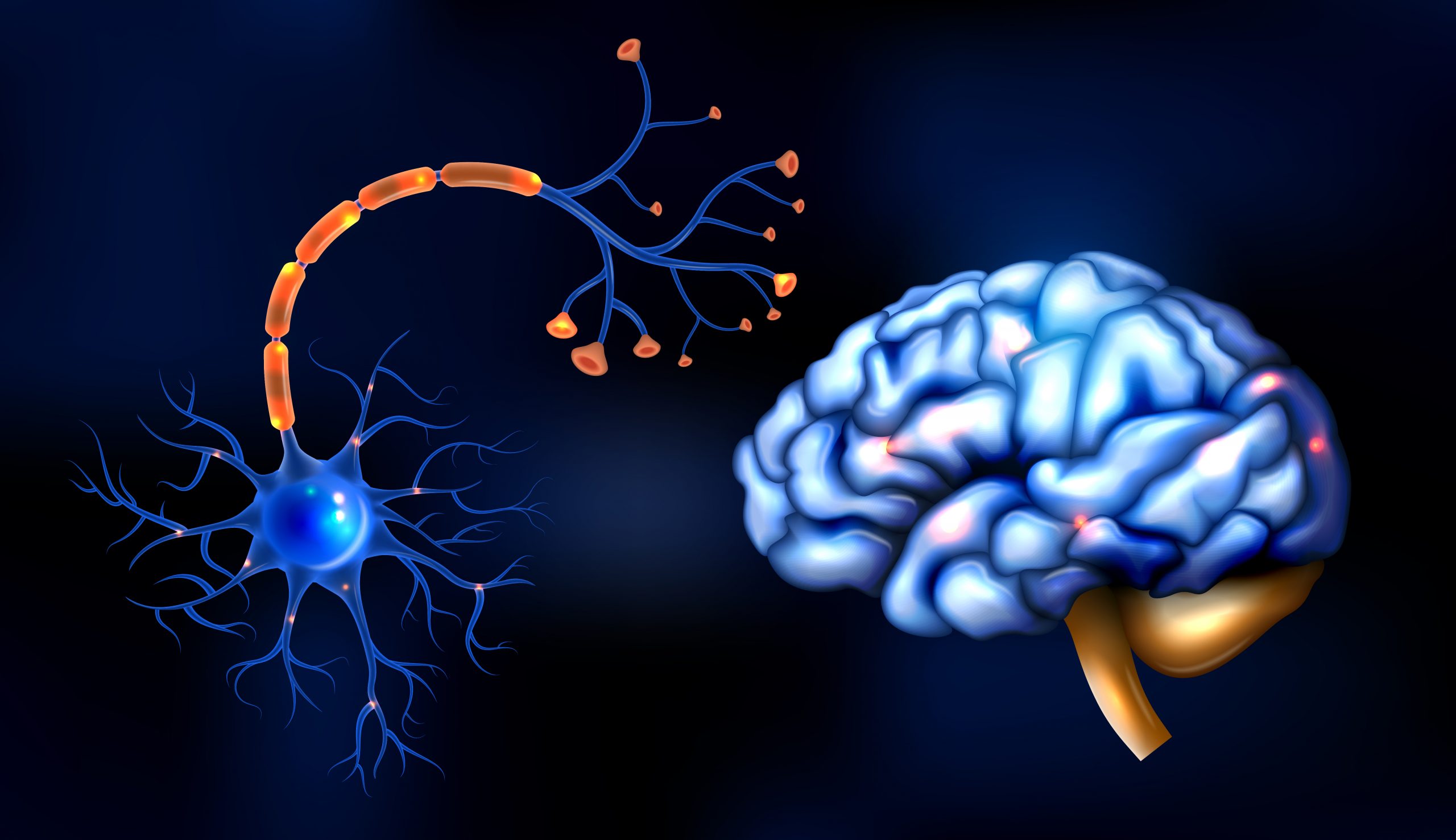
Image by macrovector on Freepik

Scientists have discovered the chemical receptor structure that is essential for brain development and function.
Because of their importance in brain function, Type A GABA receptors are already targeted by pharmaceutical anesthetics, sedatives, and antidepressants. The study, which was published today in the journal Nature, exposes the dominant assemblies and states of the GABA receptor, which could lead to the development of new drugs that target a variety of medical problems more specifically.
“It is the main player that balances excitation and inhibition in the brain,” said lead author Chang Sun, Ph.D., a postdoctoral researcher in the Vollum Institute at Oregon Health & Science University. “It affects all aspects of brain function, from motor function, to memory and learning, and also emotion and anxiety.”
“Because the off switch is so crucial, GABA receptors are spread throughout the entire brain,” added senior author Eric Gouaux, Ph.D., senior scientist in OHSU’s Vollum Institute and an investigator with the Howard Hughes Medical Institute.
The receptor is defined by five-sided, or pentameric, assemblies derived from 19 distinct subunits, each of which gives rise to a vast number of clinically relevant configurations. In this example, researchers painstakingly separated native assemblies from mice before infusing them with commonly used medicines for sleeplessness and postpartum depression.
They were then able to see the receptor’s three major structural populations.
“This study shows the dominant assemblies and states of the GABA receptor,” Gouaux said. “That’s really the huge breakthrough — nobody had been able to figure out which of the hundreds of thousands of these assemblies are most highly populated.”
According to co-author Sarah Clark, Ph.D., a former postdoctoral fellow in the Gouaux lab and currently an assistant professor at Oregon State University, the discovery demonstrates the GABA receptor in its native state rather than tissue culture, as previously demonstrated. Researchers used cutting-edge cryogenic electron microscopy to disclose the structure in its natural state, as opposed to previous techniques that required crystallizing enormous amounts of similar molecules to generate a false representation of their original structure.
“We used a combination of cryo-EM as well as single-molecule microscopy technique, which allowed us to count the subunits in each pentameric complex,” she said.
Gouaux commended OHSU, as well as the Jennifer and Bernard Lacroute Endowed Chair in Neuroscience, for sponsoring this high-risk, high-reward research, as well as the Howard Hughes Medical Institute for providing persistent support over a three-year period that resulted in the discovery.
“This kind of work is difficult to fund because no one thinks it will work,” Gouaux said.

 Coffee and Gut Microbiome: Brewing and Metabolic Effects
Key Points Coffee contains caffeine, chlorogenic.
 Low-Dose Radiation Therapy Shows Promise in Early Knee OA
Key Points Low-dose radiation therapy was.
 Oral Hormone Replacement Therapy Raises Blood Clot Risk
Key Points Oral hormone replacement therapy.
 GLP-1 Health Information: Quality, Completeness, & Engagement
Key Points A study assessed 128.
 DNA Damage Response May Drive Biological Aging
Key Points Chronic DNA damage response.
 Maternal Diet Fails to Reduce Infant Egg and Peanut Allergy
Key Points A large Australian randomized.
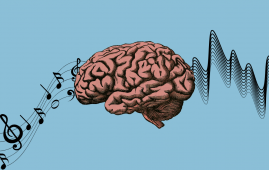 Psychedelic-Assisted Psychotherapy: Music in Treatment
Key Takeaways Psychedelic-assisted psychotherapy combines psychedelic.
 Cardiovascular Frailty Links Heart Health and Aging
Key Points Cardiovascular frailty may connect.
 Laser Blended Vision: Simple Test Predicts Success
Key Points A simple phoropter-based test.
 Pink Noise Boosts Brain Waste Clearance During Sleep
Key Points Pink noise delivered during.
Leave a Comment