
Type 2 Diabetes Trends Shift in Genetic Risk Groups

Emerging evidence in type 2 diabetes research indicates a concerning trend: individuals with a high genetic risk are now more likely to develop the disease than in previous decades. A large-scale analysis published in The Lancet Diabetes & Endocrinology examined over 86,000 participants from the long-running HUNT Study, offering critical insights for clinicians and public health professionals.
The findings reveal that while genetic predisposition has always played a role, the gap in diabetes prevalence between high- and low-risk individuals has widened significantly from the 1980s to the 2010s. This suggests that genetic susceptibility is being increasingly “activated” by environmental and behavioral factors.
For healthcare providers, this reinforces the importance of risk stratification and early screening, especially in patients with a known family history or genetic markers associated with diabetes.
The study strongly links this trend to societal and lifestyle changes. Compared to the 1980s, modern environments present constant exposure to:
These factors disproportionately affect individuals with genetic susceptibility to type 2 diabetes, making them more vulnerable to disease onset.
Interestingly, individuals with low genetic risk maintained consistently low diabetes rates, suggesting a degree of biological protection. Researchers propose that some may possess mechanisms that reduce susceptibility to obesity or improve metabolic resilience even in unfavorable environments.
For clinicians, this study underscores a crucial shift toward precision prevention:
The findings also highlight the need for integrated care approaches combining endocrinology, primary care, and preventive medicine.
As the burden of type 2 diabetes grows globally, understanding the interaction between genetics and environment is essential to improving outcomes and reducing long-term complications.

 Brain-Computer Interface Uses EEG in Unresponsive Patients
Key findings at a glance Mind-controlled.
 Gamma Oscillations Restored in Alzheimer’s Disease Mice
Key takeaways Researchers restored parvalbumin (PV).
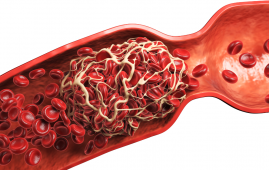 Coffee Consumption Linked to Lower Recurrent VTE Risk
Key points at a glance Study.
 Body Roundness Index Linked to Higher Heart Attack Risk
Key findings at a glance Study.
 Maternal Diet Fails to Reduce Infant Egg and Peanut Allergy
Key Points A large Australian randomized.
 Visual Impairment Linked to Higher Dementia Risk
Key findings at a glance A.
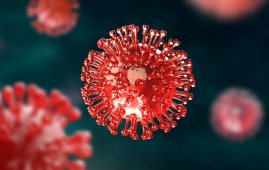 Long-Acting HIV Treatment May Help Drug-Resistant Cases
Key Takeaways A UCSF study found.
 Night Shift Work Alters Key Circadian Gene Expression
A recent study published in Frontiers.
 Tirzepatide Weight Loss: Fat Mass and Muscle Findings
Key points Tirzepatide was associated with.
 Coffee and Gut Microbiome: Brewing and Metabolic Effects
Key Points Coffee contains caffeine, chlorogenic.
Leave a Comment