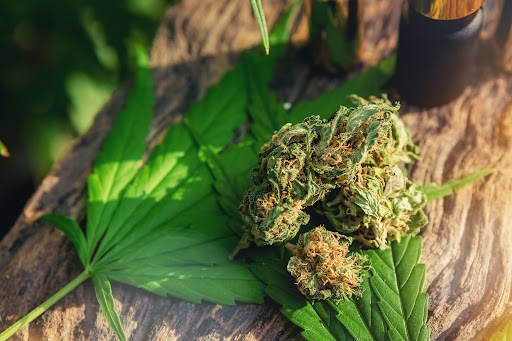
CBD Reduces Inflammation in HIV-Affected Brain Cells

CBD shows promise as a potential therapeutic option for individuals with HIV. Despite the efficacy of treatment in managing the virus, it can adversely impact the brain, leading to cognitive issues.
Researchers from Florida International University (FIU) have identified that CBD’s anti-inflammatory properties play a crucial role in regulating HIV-infected cells within the brain, mitigating their potential disruptive behavior.
This holds significance due to the detrimental impact of neuroinflammation associated with HIV, which sets off a perilous chain reaction. Inflammation triggers the activation of latent infected cells within the brain, initiating the replication process and facilitating the spread of the virus throughout the body. As detailed in Scientific Reports, the research team demonstrated that CBD operates on a molecular level, effectively reducing inflammation and maintaining a state of dormancy in these HIV-infected cells.
The simultaneous suppression of both inflammation and HIV-infected cells is crucial in light of HIV’s modus operandi. Following its infiltration of immune cells in the bloodstream, HIV utilizes the blood-brain barrier for transport. Upon reaching the brain, the virus targets microglia, the immune cells of the brain, prompting the infected cells to enter a state of dormancy.
“Even though HIV crosses the blood-brain barrier, antiretroviral medicines that keep the virus from replicating cannot effectively cross the blood-brain barrier, and so the brain becomes a repository for HIV,” explains Adriana Yndart Arias, the study’s first author and FIU Herbert Wertheim College of Medicine Ph.D. student. HIV-induced neuroinflammation activates dormant cells, leading to the production of the virus. Subsequently, the infection can re-enter the bloodstream from the brain.
This sets in motion a destructive cycle, as Madhavan Nair, a distinguished professor and director of FIU’s Institute of NeuroImmune Pharmacology, explains: “It perpetuates a vicious cycle where the infection keeps going.”
Inflammation serves as the underlying cause of various cognitive symptoms experienced by individuals with HIV. Consequently, they often resort to cannabis or medical marijuana for managing pain, nausea, and related issues. However, these products typically contain THC, a psychoactive substance responsible for inducing a “high” and other side effects, including addiction. Nair, leading a team studying the impact of drug abuse on HIV infections, highlights that such practices may exacerbate symptoms.
Limited research has explored the molecular-level effects of compounds such as THC and CBD, both extracted from the same plant, on the brain. Yndart, a member of Nair’s lab, took the initiative to investigate this.
In her study, she examined various concentrations of THC and CBD, testing them on numerous HIV-infected microglia cells. Systematically analyzing each cell, she sought specific markers or indicators revealing whether the cells were activated.
Cells treated with CBD exhibited a reduction in the levels of inflammatory molecules, effectively preventing the activation of infected cells.
Anti-inflammatory effects of CBD in human microglial cell line infected with HIV-1, Scientific Reports (2023).
DOI: 10.1038/s41598-023-32927-4
Provided by Florida International University

 SGLT2 Inhibitors Boost Cardiac Energy Through PANK1
Key Points SGLT2 inhibitors directly activate.
 Daraxonrasib Approved for Metastatic Pancreatic Cancer
Key Points FDA approved daraxonrasib (RASONQUE).
 Nicotine E-Cigarettes Help More Smokers Quit Than NRT
Key Points Nicotine e-cigarettes helped more.
 AI Identifies Key Gene Driving Hematopoietic Stem Cell Aging
Key Points AI analysis identified Pbx1.
 Intravenous Iron Improves Recovery After Heart Surgery
Key points A large multicenter randomized.
 Childhood Epilepsy Linked to Lower Educational Achievement
Key Takeaways Childhood epilepsy was associated.
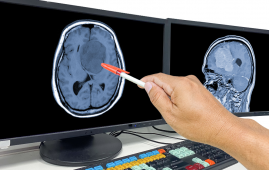 Laser Treatment for Glioblastoma Shows Survival Benefit
Key Points A multicenter analysis of.
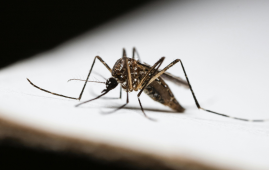 Malaria Vaccination Turns Mosquito Bites Into Immune Boosters
Key takeaways: WEHI researchers developed a.
 Inhaled Cannabis Linked to Fewer Premature Heartbeats
Key Points Habitual cannabis users had.
 Lead Exposure in Indoors and Contamination in Soil
Key Points Lead contamination in soil.
Leave a Comment