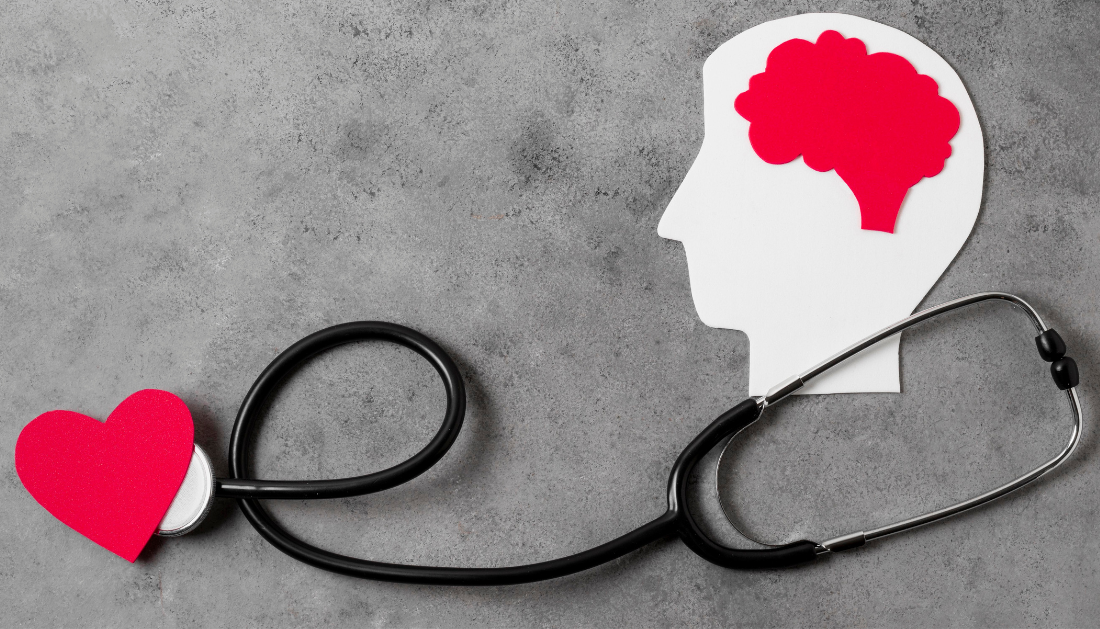
STUDY: Investigating neurocardiac aspects of depression treatment reveals potential for precision-focused therapies.

“Our goal was to figure out how to harness TMS treatment more effectively, get the dosing right, by selectively slowing down the heart rate and identifying the individual best spot to stimulate on the brain,” cited senior author Shan Siddiqi, MD, of the Center for Brain Circuit Therapeutics and Brigham’s Department of Psychiatry. According to Siddiqi, the concept came about as a result of Dutch researchers presenting heart-brain coupling results at a conference in Croatia.
“They showed that not only can TMS transiently lower the heart rate, but it matters where you stimulate,” Shan Siddiqi, MD, senior author of the study from the Center for Brain Circuit Therapeutics and the Brigham’s Department of Psychiatry, stated. According to Siddiqi, the concept originated at a symposium in Croatia when academics from the Netherlands were showcasing their heart-brain connection findings.
“They showed that not only can TMS transiently lower the heart rate, but it matters where you stimulate,” The possibility of making this precision-focused treatment for depression more accessible to the rest of the globe is what excites Siddiqi the most about the study, he continued.
“We have so many things we can do with advanced technology available here in Boston to help people with their symptoms,” he said. “But some of those things couldn’t easily get to the rest of the world before.”
“We wanted to see if there would be mostly heart-brain coupling in the connected areas,” Dijkstra said. “For 12 out of 14 usable data sets, we found we would have a very high accuracy of defining an area that is connected by just measuring heart rate during brain stimulation.”
According to Dijkstra, the discovery may aid in the customization of TMS therapy for the treatment of depression by identifying a specific treatment location on the brain and facilitating its accessibility as an MRI would not be required before treatment.
According to Siddiqi, the results of this study could also be utilized in the development of therapies that emergency physicians and cardiologists would find helpful in the future.
The study’s small sample size and the fact that not every region of the brain was stimulated are two of its limitations.
Finding the areas of the brain to activate to improve the consistency of heart rate fluctuations will be the team’s next task.
For more information: Probing prefrontal-sgACC connectivity using TMS-induced heart-brain coupling, Nature Mental Health, https://doi.org/10.1038/s44220-024-00248-8

 Coffee and Gut Microbiome: Brewing and Metabolic Effects
Key Points Coffee contains caffeine, chlorogenic.
 Low-Dose Radiation Therapy Shows Promise in Early Knee OA
Key Points Low-dose radiation therapy was.
 Oral Hormone Replacement Therapy Raises Blood Clot Risk
Key Points Oral hormone replacement therapy.
 GLP-1 Health Information: Quality, Completeness, & Engagement
Key Points A study assessed 128.
 DNA Damage Response May Drive Biological Aging
Key Points Chronic DNA damage response.
 Maternal Diet Fails to Reduce Infant Egg and Peanut Allergy
Key Points A large Australian randomized.
 Psychedelic-Assisted Psychotherapy: Music in Treatment
Key Takeaways Psychedelic-assisted psychotherapy combines psychedelic.
 Cardiovascular Frailty Links Heart Health and Aging
Key Points Cardiovascular frailty may connect.
 Laser Blended Vision: Simple Test Predicts Success
Key Points A simple phoropter-based test.
 Pink Noise Boosts Brain Waste Clearance During Sleep
Key Points Pink noise delivered during.
Leave a Comment