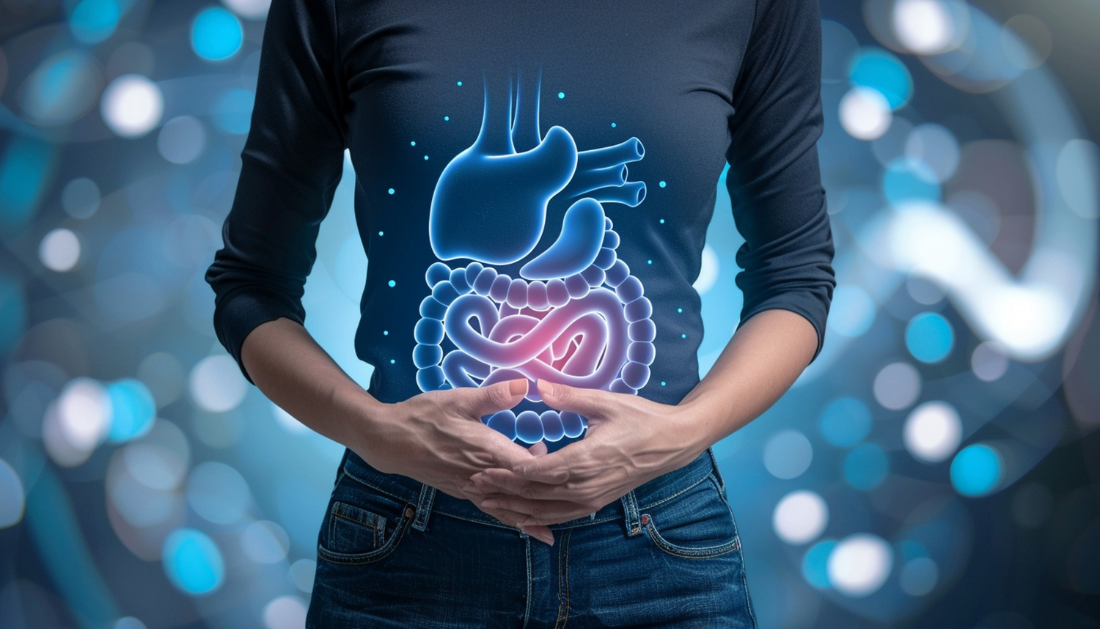
Study: Lupus and inflammatory bowel disease share a common set of microbiome features distinct from other autoimmune disorders

Researchers found the microbial profiles associated with autoimmune diseases, such as inflammatory bowel disease (IBD) and systemic lupus erythematosus (SLE), in a new study that was published in the Annals of Rheumatic Diseases.
They discovered common microbial activities and unique biomarkers by connecting these microbiome patterns to colorectal cancer (CRC).
Overview
Certain species of gut microbiota are linked to particular autoimmune diseases, and their presence is crucial in these cases. People with dysbiosis, or extreme instability in the gut microbiota, are not like others; there is a clear correlation between the clinical symptoms of autoimmune disorders and the makeup of the gut.
To identify biomarkers and comprehend the mechanisms via which the microbiome influences autoimmune disorders, more thorough research is needed.
Comprehensive species and functional capacities that vary between disease stages are provided by metagenomic research. However, more research is needed to identify the specificity and causation of each ailment.
About the Study
In order to identify potential biomarkers and molecular pathways underlying autoimmune illnesses, such as SLE and IBD, the current work used microbiome profiling.
A total of 78 fecal samples were obtained from Yale University Medical, 32 from SLE patients (n = 14) and 46 from sex- and age-matched controls (n = 22). Over a period of two years, they recruited people. Systemic Lupus Erythematosus Disease Activity Index (SLEDAI) scores of the participants were ascertained.
Participants gave samples of their entire blood, diet, and medical histories over the course of three visits. They also gave samples of their skin, mouth, and feces microbiomes.
High-throughput metagenomic sequencing of deoxyribonucleic acid (DNA) isolated from fecal samples was performed. The taxonomic and functional profiles that matched the Kyoto Encyclopedia of Genes and Genomes (KEGG) database were examined by researchers.
Additionally, they examined metagenomic datasets containing patient data from individuals suffering from autoimmune diseases such multiple sclerosis, ankylosing spondylitis, IBD, myasthenia gravis, or Graves disease. To determine the microbiological characteristics unique to the condition, they compared these to the metagenomes of colorectal cancer. Less than 107 readings in a sample were removed from the investigation.
Researchers employed pathway enrichment and protein-protein interactions (PPI) analysis to look at effector-like proteins and their targets in major signaling pathways. Particularly in IBD and SLE, PPIs have provided functional insights into species-level differences and assisted in predicting the roles of microbes in autoimmune illnesses.
Human embryonic kidney 293T (HEK293T) cells were employed in co-immunoprecipitation studies to show in vivo protein binding to predicted bacterial interactors.
After controlling for age and gender, generalized linear regressions identified microbial characteristics that were differently prevalent in patients compared to healthy controls. Models trained on the makeup of the protein family (PFAM) in the microbiomes of each cohort predicted the microbial gene families linked to autoimmune diseases.
In conclusion
The research pointed to the microbiome as a potential treatment target by identifying microbial indicators and shared pathways in autoimmune diseases like SLE and IBD.
The results lend support to the development of microbiome-based treatments, including dietary modifications, fecal microbiota transplantation, customized probiotics, prebiotics, and host-microbiome PPI control.
PPIs affecting NR3C1 may improve autoimmune disease diagnosis and enable more individualized treatment.
For more information: Lupus and inflammatory bowel disease share a common set of microbiome features distinct from other autoimmune disorders, Annals of Rheumatic Diseases, doi:10.1136/ard-2024-225829

 GLP-1 Health Information: Quality, Completeness, & Engagement
Key Points A study assessed 128.
 DNA Damage Response May Drive Biological Aging
Key Points Chronic DNA damage response.
 Maternal Diet Fails to Reduce Infant Egg and Peanut Allergy
Key Points A large Australian randomized.
 Psychedelic-Assisted Psychotherapy: Music in Treatment
Key Takeaways Psychedelic-assisted psychotherapy combines psychedelic.
 Cardiovascular Frailty Links Heart Health and Aging
Key Points Cardiovascular frailty may connect.
 Laser Blended Vision: Simple Test Predicts Success
Key Points A simple phoropter-based test.
 Pink Noise Boosts Brain Waste Clearance During Sleep
Key Points Pink noise delivered during.
 Psilocybin Microdosing Research Raises Key Questions
Key points: Psilocybin microdosing research shows.
 Maternal Illness Linked to Epigenetic Fetal Brain Changes
Maternal illness during pregnancy may influence.
 SGLT2 Inhibitors Boost Cardiac Energy Through PANK1
Key Points SGLT2 inhibitors directly activate.
Leave a Comment