
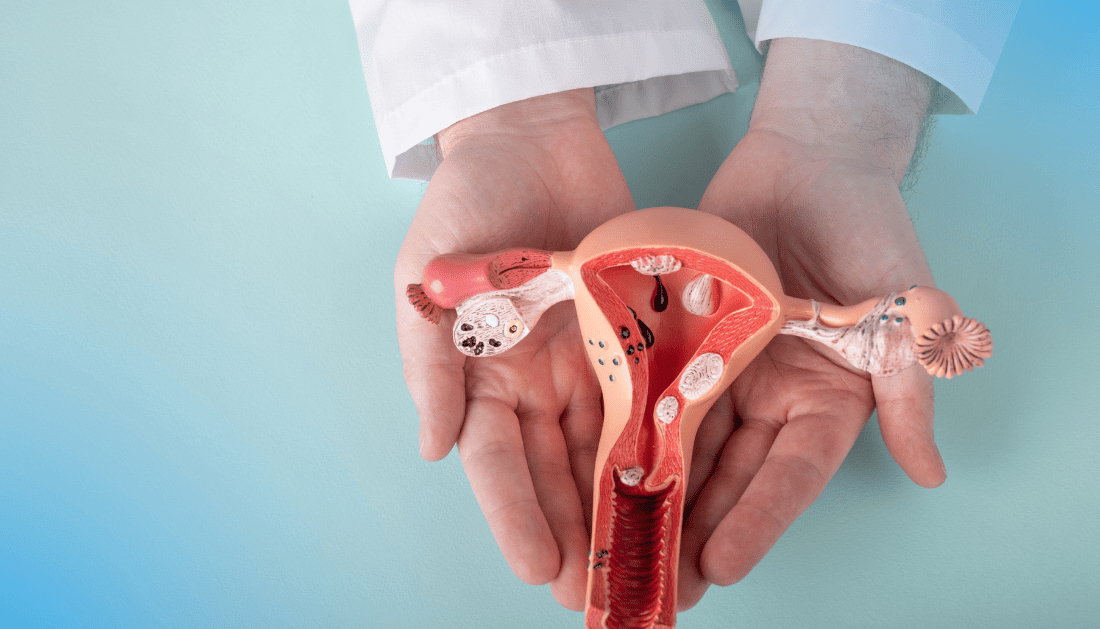
Can what you eat really impact your chances of getting pregnant? A recent study published in Frontiers in Nutrition suggests that the answer lies in your gut—literally. Researchers investigated the Dietary Index for Gut Microbiota (DI-GM) and its connection to female infertility, uncovering a surprising threshold effect that challenges the “more is better” notion when it comes to healthy eating.
What Is the Gut Microbiota DI-GM Score?
The DI-GM is a scoring system developed to reflect how diet influences gut microbiota. It includes 14 components—10 beneficial (like fiber, whole grains, green tea, and fermented dairy) and 4 harmful (such as processed meats and refined grains). Participants in the study were scored between 0 and 13 based on dietary recall surveys.
Gut Microbiota Scores and Infertility: A Non-Linear Association
Analyzing data from 3,053 women aged 18–45 in the NHANES survey, researchers found a non-linear association between DI-GM scores and infertility. About 12.12% of participants were classified as infertile.
Generally, higher DI-GM scores (indicating a more gut-friendly diet) were associated with lower infertility risk. However, this benefit plateaued—and even reversed—beyond a DI-GM score of 8. In other words, going overboard on gut-friendly foods might increase infertility risk, defying conventional dietary wisdom.
The Inflection Point: DI-GM Score of 8
Using statistical models, researchers identified a threshold effect at a DI-GM score of 8. Below this score, infertility risk decreased as diet quality improved. Above it, infertility risk began to rise again. This unexpected U-shaped curve suggests that dietary balance—not dietary excess—may be the most effective strategy in improving fertility outcomes.
Additional Observations
Women with lower DI-GM scores tended to have higher BMI, were more likely to be current smokers, and had poorer metabolic markers like high triglycerides and fasting glucose. Fertility rates improved steadily from the lowest to the highest DI-GM quartile, but only up to a point.
Conclusion: Balance Over Excess
The findings add to a growing body of evidence that links gut health with female reproductive health. They suggest that dietary interventions using gut microbiota indices like DI-GM could be a promising, non-pharmaceutical way to address infertility. However, the study also warns that more is not always better—particularly when it comes to dietary improvements aimed at gut health.
Future research is needed, but one thing is clear: when it comes to diet and fertility, striking the right balance could be more important than simply piling on “healthy” foods.
For more information: Zhang, X., Wu, L., Li, H., Zhang, S., & Hua, W. (2025). Association between the dietary index for gut microbiota and female infertility: a cross-sectional study of NHANES 2013–2018. In Frontiers in Nutrition (Vol. 12). Frontiers Media SA, DOI – 10.3389/fnut.2025.1583805, https://www.frontiersin.org/journals/nutrition/articles/10.3389/fnut.2025.1583805/full

more recommended stories
 Pink Noise Boosts Brain Waste Clearance During Sleep
Key Points Pink noise delivered during.
 Psilocybin Microdosing Research Raises Key Questions
Key points: Psilocybin microdosing research shows.
 Maternal Illness Linked to Epigenetic Fetal Brain Changes
Maternal illness during pregnancy may influence.
 SGLT2 Inhibitors Boost Cardiac Energy Through PANK1
Key Points SGLT2 inhibitors directly activate.
 Daraxonrasib Approved for Metastatic Pancreatic Cancer
Key Points FDA approved daraxonrasib (RASONQUE).
 Nicotine E-Cigarettes Help More Smokers Quit Than NRT
Key Points Nicotine e-cigarettes helped more.
 AI Identifies Key Gene Driving Hematopoietic Stem Cell Aging
Key Points AI analysis identified Pbx1.
 Intravenous Iron Improves Recovery After Heart Surgery
Key points A large multicenter randomized.
 Childhood Epilepsy Linked to Lower Educational Achievement
Key Takeaways Childhood epilepsy was associated.
 Laser Treatment for Glioblastoma Shows Survival Benefit
Key Points A multicenter analysis of.
Leave a Comment