
Pelvic Floor Disorders and Women’s Health Gaps

Pelvic floor disorders affect millions of women, yet many continue to suffer in silence. Symptoms such as urinary incontinence, pelvic pain, bowel dysfunction, and vaginal prolapse are often mistaken for unavoidable consequences of childbirth, aging, weight gain, or menopause. However, clinical evidence confirms that pelvic floor disorders are not a regular part of aging, they are medical conditions with effective treatment options.
Despite this, embarrassment and lack of awareness remain powerful barriers to care. According to Dr. Larissa Rodríguez of Weill Cornell Medicine, many patients delay seeking help simply because they believe nothing can be done.
A wide range of treatments exists, including pelvic floor physical therapy, behavioural interventions, medications, medical devices, minimally invasive procedures, and vaginal estrogen therapy, which can reduce urinary tract infections and urgency symptoms. Yet these options are frequently underutilized.
One reason is the absence of routine screening during primary care visits, where clinicians must prioritize multiple chronic conditions. This places greater importance on patient empowerment and clinician education, particularly among healthcare professionals who care for women earlier in life.
Dr. Rodríguez’s research and advocacy efforts emphasize the need for broader policy discussions and public education to address a disorder that affects one in three women over their lifetime.
Recent studies highlight how cultural factors shape symptom recognition and care-seeking behavior. Research involving Latina women in Los Angeles revealed that although 63% experienced pelvic floor symptoms, only 15% recognized them as a medical condition. Cultural roles, caregiving responsibilities, stress, and limited autonomy often led women to minimize symptoms and delay treatment.
These findings underscore the importance of culturally sensitive education and community outreach, ensuring that health messaging resonates across diverse populations and leads to earlier intervention.
Vaginal delivery remains a significant risk factor, yet symptoms may surface decades later, surprising many patients. While several European countries integrate pelvic floor therapy into prenatal care, such preventive strategies are not standard in the U.S.
In response, Weill Cornell Medicine has established a Multidisciplinary Center for Female Pelvic Medicine, bringing together urogynecologists, colorectal surgeons, and physical therapists to deliver coordinated care.
Ongoing research is also examining the role of stress, socioeconomic factors, and the brain–bladder connection, with early findings suggesting that exercise and stress reduction may improve urinary symptoms.
Improving pelvic floor health will require integrated research, clinician engagement, patient education, and culturally informed care models, a shift that healthcare systems are only beginning to address.

 Visual Impairment Linked to Higher Dementia Risk
Key findings at a glance A.
 Long-Acting HIV Treatment May Help Drug-Resistant Cases
Key Takeaways A UCSF study found.
 Night Shift Work Alters Key Circadian Gene Expression
A recent study published in Frontiers.
 Tirzepatide Weight Loss: Fat Mass and Muscle Findings
Key points Tirzepatide was associated with.
 Coffee and Gut Microbiome: Brewing and Metabolic Effects
Key Points Coffee contains caffeine, chlorogenic.
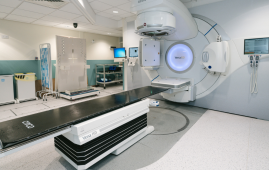 Low-Dose Radiation Therapy Shows Promise in Early Knee OA
Key Points Low-dose radiation therapy was.
 Oral Hormone Replacement Therapy Raises Blood Clot Risk
Key Points Oral hormone replacement therapy.
 GLP-1 Health Information: Quality, Completeness, & Engagement
Key Points A study assessed 128.
 DNA Damage Response May Drive Biological Aging
Key Points Chronic DNA damage response.
 Maternal Diet Fails to Reduce Infant Egg and Peanut Allergy
Key Points A large Australian randomized.
Leave a Comment