
Chronic GVHD Risk Assessment Using AI and Biomarkers

Chronic graft-versus-host disease (GVHD) remains one of the most serious long-term complications following stem cell and bone marrow transplantation. While transplantation can be lifesaving, many patients develop chronic GVHD months after discharge, often without early clinical warning signs. This delay limits opportunities for preventive monitoring and timely intervention.
Researchers from MUSC Hollings Cancer Center, in collaboration with national transplant experts, have developed an artificial intelligence, based risk prediction tool that may help clinicians identify patients at high risk for chronic GVHD well before symptoms emerge.
Led by Sophie Paczesny, alongside investigators from the Center for International Blood and Marrow Transplant Research at the Medical College of Wisconsin, the team analyzed data from 1,310 transplant recipients enrolled in four multicenter studies.
The BIOPREVENT model integrates:
Blood samples were collected 90–100 days post-transplant, a critical period when immune dysregulation may already be underway. Using Bayesian additive regression trees, the model outperformed traditional statistical approaches, particularly in predicting transplant-related mortality.
BIOPREVENT reliably categorized patients into low- and high-risk groups, with outcome differences extending up to 18 months post-transplant. Importantly, the study demonstrated that distinct biomarkers predict chronic GVHD versus transplant-related death, highlighting different biological pathways.
The tool is now available as a free, web-based application, allowing clinicians and researchers to generate individualized risk curves using patient-specific data.
While BIOPREVENT is not yet intended to guide treatment decisions, it offers a structured framework for risk assessment and clinical trial design. Ongoing studies will determine whether early interventions based on AI-generated risk signals can improve long-term transplant outcomes.
For transplant teams, BIOPREVENT represents a meaningful step toward personalized follow-up strategies and data-informed patient care.

 Visual Impairment Linked to Higher Dementia Risk
Key findings at a glance A.
 Long-Acting HIV Treatment May Help Drug-Resistant Cases
Key Takeaways A UCSF study found.
 Night Shift Work Alters Key Circadian Gene Expression
A recent study published in Frontiers.
 Tirzepatide Weight Loss: Fat Mass and Muscle Findings
Key points Tirzepatide was associated with.
 Coffee and Gut Microbiome: Brewing and Metabolic Effects
Key Points Coffee contains caffeine, chlorogenic.
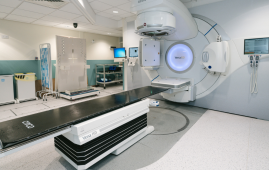 Low-Dose Radiation Therapy Shows Promise in Early Knee OA
Key Points Low-dose radiation therapy was.
 Oral Hormone Replacement Therapy Raises Blood Clot Risk
Key Points Oral hormone replacement therapy.
 GLP-1 Health Information: Quality, Completeness, & Engagement
Key Points A study assessed 128.
 DNA Damage Response May Drive Biological Aging
Key Points Chronic DNA damage response.
 Maternal Diet Fails to Reduce Infant Egg and Peanut Allergy
Key Points A large Australian randomized.
Leave a Comment