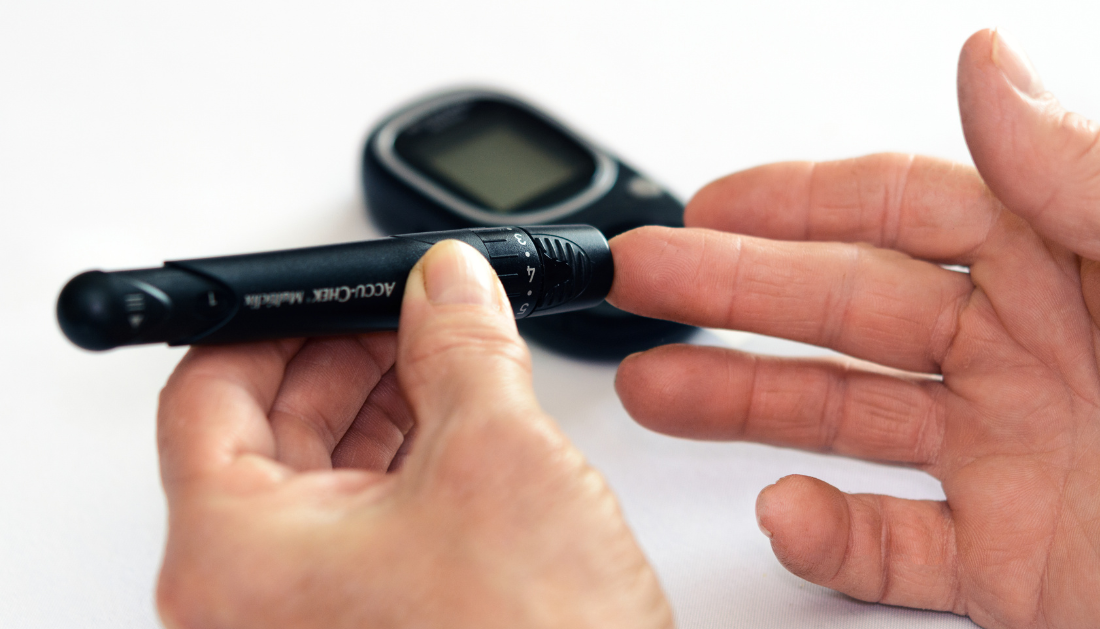
Diabetes Risk and Red Meat Consumption Patterns

Diabetes affects over 37 million people in the United States, prompting increased scrutiny of dietary patterns that may contribute to metabolic disease. A recent study published in the British Journal of Nutrition examined whether red meat consumption is associated with diabetes prevalence and whether replacing red meat with alternative protein sources alters diabetes odds.
Red meat, particularly processed forms such as sausages and deli meats, remains a staple of the U.S. diet. Previous studies have linked these foods to cardiovascular disease and mortality, but associations with diabetes have shown variability across populations. This analysis aimed to clarify these relationships using nationally representative data.
Researchers analyzed data from 34,737 adults participating in the National Health and Nutrition Examination Survey between 2003 and 2016. Dietary intake was assessed using 24-hour recalls, with red meat categorized as processed or unprocessed. Diabetes was defined using self-report, laboratory measures (fasting glucose and HbA1c), or antidiabetic medication use.
Multivariable logistic regression models adjusted for demographic, socioeconomic, lifestyle, and dietary factors, including BMI. Importantly, the study applied statistical substitution modeling to estimate how replacing red meat with other protein sources might influence diabetes odds.
Participants with the highest red meat intake had significantly higher odds of diabetes compared with those consuming the least. Each additional daily serving of red meat was associated with a measurable increase in the odds of diabetes. Processed red meat showed the strongest association, followed by unprocessed red meat.
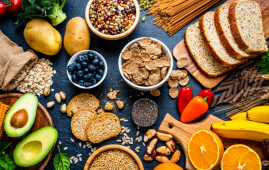
Substitution analyses revealed clinically relevant patterns. Replacing one daily serving of red meat with plant-based protein sources, such as legumes, nuts, seeds, or soy, was associated with a 14% lower odds of diabetes. Substitutions with poultry, dairy products, or whole grains were also linked to modest reductions.
These findings suggest that diabetes risk is influenced not only by reducing red meat intake but also by the quality of replacement foods.
While the cross-sectional design limits causal interpretation, the results support dietary guidance that prioritizes alternative protein sources. Potential biological pathways include saturated fat, heme iron, sodium, nitrates, and inflammation-related metabolic effects.
For clinicians and nurses counseling patients on diabetes prevention or management, these findings reinforce the role of dietary composition as a modifiable factor. Further longitudinal and interventional studies are needed to inform evidence-based dietary recommendations.

 Night Shift Work Alters Key Circadian Gene Expression
A recent study published in Frontiers.
 Tirzepatide Weight Loss: Fat Mass and Muscle Findings
Key points Tirzepatide was associated with.
 Coffee and Gut Microbiome: Brewing and Metabolic Effects
Key Points Coffee contains caffeine, chlorogenic.
 Low-Dose Radiation Therapy Shows Promise in Early Knee OA
Key Points Low-dose radiation therapy was.
 Oral Hormone Replacement Therapy Raises Blood Clot Risk
Key Points Oral hormone replacement therapy.
 GLP-1 Health Information: Quality, Completeness, & Engagement
Key Points A study assessed 128.
 DNA Damage Response May Drive Biological Aging
Key Points Chronic DNA damage response.
 Dietary Polyphenol Intake Associated With Lower MCI Odds
Key Points Older adults without mild.
 Maternal Diet Fails to Reduce Infant Egg and Peanut Allergy
Key Points A large Australian randomized.
 Psychedelic-Assisted Psychotherapy: Music in Treatment
Key Takeaways Psychedelic-assisted psychotherapy combines psychedelic.
Leave a Comment