
High-Fat Diets and Metabolic Health Risks: New Study Finds

With growing public interest in low-carb and ketogenic regimens, this research provides timely metabolic insights for healthcare professionals. Investigators compared four diets in mice: high-carbohydrate, high-fat, ketogenic, and a whole-grain–rich standard chow.
Importantly, protein intake remained constant at 18% across experimental groups. Only fat-to-carbohydrate ratios differed:
The fats were primarily saturated, exceeding the American Heart Association’s recommendations. Carbohydrates were largely refined.
Within two weeks, mice on high-fat and ketogenic diets showed elevated blood glucose and early signs of liver injury. By 16 weeks, their body weight had doubled, despite similar caloric intake across groups. These mice also demonstrated:
In contrast, mice on high-carbohydrate diets did not experience the same degree of liver damage or continuous weight gain. The whole-grain control group exhibited the most stable metabolic profile.
In a parallel experiment involving mice with obesity, fiber supplementation appeared to mitigate some harmful effects of the ketogenic diet. Mice receiving additional fiber maintained more stable weight and showed improved metabolic indicators compared to those on unsupplemented keto or high-fat diets.
Notably, fiber did not interfere with ketogenesis, an important consideration for patients using ketogenic diets for conditions such as epilepsy.
For HCPs, the findings reinforce several practice-relevant considerations:
Researchers emphasize that diet prescriptions must be individualized. While ketogenic diets have therapeutic roles, unsupervised high-fat consumption may carry hepatic and metabolic risks.
As discussions around carbohydrate restriction continue in clinical and public forums, this study underscores the importance of balanced dietary counseling grounded in metabolic evidence.

 Gamma Oscillations Restored in Alzheimer’s Disease Mice
Key takeaways Researchers restored parvalbumin (PV).
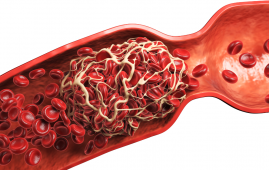 Coffee Consumption Linked to Lower Recurrent VTE Risk
Key points at a glance Study.
 Body Roundness Index Linked to Higher Heart Attack Risk
Key findings at a glance Study.
 Maternal Diet Fails to Reduce Infant Egg and Peanut Allergy
Key Points A large Australian randomized.
 Visual Impairment Linked to Higher Dementia Risk
Key findings at a glance A.
 Long-Acting HIV Treatment May Help Drug-Resistant Cases
Key Takeaways A UCSF study found.
 Night Shift Work Alters Key Circadian Gene Expression
A recent study published in Frontiers.
 Tirzepatide Weight Loss: Fat Mass and Muscle Findings
Key points Tirzepatide was associated with.
 Coffee and Gut Microbiome: Brewing and Metabolic Effects
Key Points Coffee contains caffeine, chlorogenic.
 Low-Dose Radiation Therapy Shows Promise in Early Knee OA
Key Points Low-dose radiation therapy was.
Leave a Comment