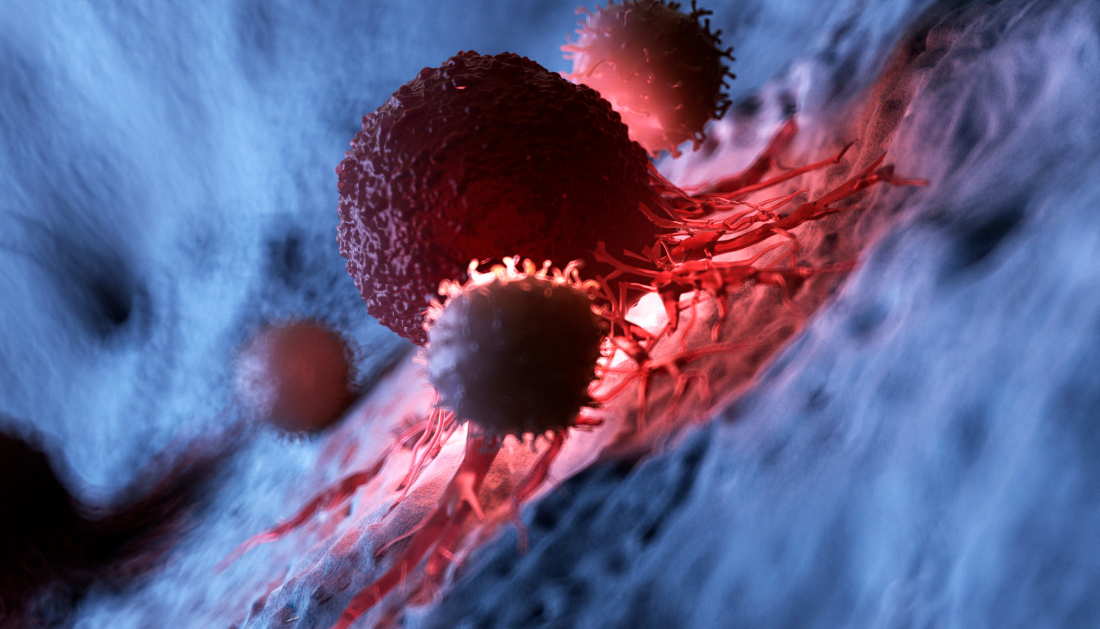
Personalized Cancer Drug Combinations in Precision Oncology

Personalized cancer drug combinations are redefining how advanced cancers can be treated. Researchers from the University of California, San Diego School of Medicine have demonstrated, for the first time in a clinical trial, that multi-drug cancer therapies can be safely customized based on the unique DNA profile of each patient’s tumor.
Published in the Journal of Clinical Oncology on January 8, 2026, the findings confirm that one-size-fits-all oncology regimens no longer represent the future of cancer care.
The clinical trial, titled Investigation of Profile-Related Evidence Determining Individualized Cancer Therapy (I-PREDICT), enrolled 210 patients with advanced cancers. Using advanced genomic sequencing, clinicians identified tumor-specific mutations and designed treatment plans using FDA-approved drugs precisely matched to those molecular drivers.
Importantly, starting combination therapies at lower doses and gradually escalating them ensured safety, even with novel drug pairings. Adverse effects were comparable to standard treatments, confirming that precision-guided therapy does not increase toxicity.
According to senior author Jason Sicklick, MD, this approach represents “one-size-fits-one” oncology. By aligning treatment with tumor biology, clinicians can improve therapeutic accuracy while preserving patient safety.
Shumei Kato, MD, emphasized that biomarker-guided drug selection allows clinicians to directly target cancer drivers rather than relying on generalized regimens. This strategy offers practical guidance for oncologists seeking to integrate molecular profiling into daily practice.
The trial was supported by UC San Diego Moores Cancer Center, the region’s only NCI-designated Comprehensive Cancer Center, reinforcing the role of multidisciplinary collaboration in delivering patient-centered cancer care.
This expanded publication builds on earlier I-PREDICT analyses in Nature Medicine and Genome Medicine, now offering longer follow-up data and practical frameworks for replication in other institutions. A future randomized trial is planned to confirm these benefits.
For healthcare professionals, the study provides a clear message: precision oncology at the individual level is not theoretical; it is clinically achievable.
As molecular diagnostics become more accessible, personalized cancer drug combinations are positioned to become a standard component of oncology treatment planning worldwide.

 Gamma Oscillations Restored in Alzheimer’s Disease Mice
Key takeaways Researchers restored parvalbumin (PV).
 Coffee Consumption Linked to Lower Recurrent VTE Risk
Key points at a glance Study.
 Body Roundness Index Linked to Higher Heart Attack Risk
Key findings at a glance Study.
 Maternal Diet Fails to Reduce Infant Egg and Peanut Allergy
Key Points A large Australian randomized.
 Visual Impairment Linked to Higher Dementia Risk
Key findings at a glance A.
 Long-Acting HIV Treatment May Help Drug-Resistant Cases
Key Takeaways A UCSF study found.
 Night Shift Work Alters Key Circadian Gene Expression
A recent study published in Frontiers.
 Tirzepatide Weight Loss: Fat Mass and Muscle Findings
Key points Tirzepatide was associated with.
 Coffee and Gut Microbiome: Brewing and Metabolic Effects
Key Points Coffee contains caffeine, chlorogenic.
 Low-Dose Radiation Therapy Shows Promise in Early Knee OA
Key Points Low-dose radiation therapy was.
Leave a Comment