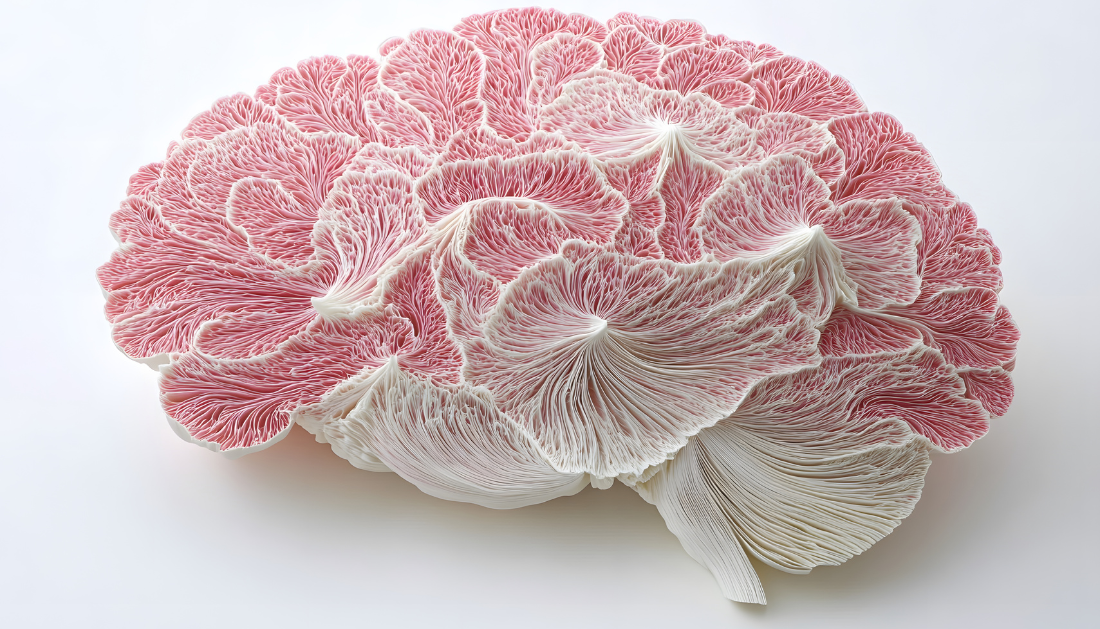
Brain Circuit Identified as Key Driver of Chronic Pain

Chronic pain affects nearly one in four adults in the United States, often disrupting daily function and quality of life. Unlike acute pain, which serves as a protective warning, it persists long after tissue healing. Understanding why this transition occurs remains a central challenge in pain medicine.
New research from the University of Colorado Boulder, published in the Journal of Neuroscience, identifies a specific neural pathway within the caudal granular insular cortex (CGIC) as a decisive regulator of pain persistence. The CGIC, a small region embedded deep within the insular cortex, appears to act as a control center that determines whether pain resolves or becomes chronic.
Using advanced neural mapping and gene-targeting techniques, researchers demonstrated that the CGIC plays a minimal role in acute pain processing but becomes highly active during chronic pain states, particularly neuropathic pain characterized by allodynia, where non-painful touch is perceived as painful.
In preclinical models, investigators tracked neuronal activity following sciatic nerve injury and identified a pathway connecting the CGIC to the somatosensory cortex and spinal cord. Activation of this circuit intensified pain signaling, amplifying sensory input and sustaining pain responses.
When researchers selectively silenced CGIC neurons using chemogenetic tools, pain behaviors rapidly diminished. Notably, disabling this pathway immediately after injury prevented chronic pain from developing, while silencing it in animals with established allodynia reversed persistent pain.
These findings support the concept that it is not merely prolonged acute pain but a brain-driven condition maintained by specific neural circuits.
The study highlights CGIC modulation as a promising target for future pain interventions. As neuroscience tools become more precise, therapies such as targeted infusions or brain-machine interfaces may allow clinicians to regulate pain pathways directly, without systemic adverse effects associated with opioids.
For physicians, pain specialists, and nurses managing chronic neuropathic pain, these findings reinforce the growing role of neurocircuit-based approaches in pain care. While further research is required before clinical translation, the study strengthens the foundation for safer, mechanism-driven pain management strategies.

 Brain-Computer Interface Uses EEG in Unresponsive Patients
Key findings at a glance Mind-controlled.
 Gamma Oscillations Restored in Alzheimer’s Disease Mice
Key takeaways Researchers restored parvalbumin (PV).
 Coffee Consumption Linked to Lower Recurrent VTE Risk
Key points at a glance Study.
 Body Roundness Index Linked to Higher Heart Attack Risk
Key findings at a glance Study.
 Maternal Diet Fails to Reduce Infant Egg and Peanut Allergy
Key Points A large Australian randomized.
 Visual Impairment Linked to Higher Dementia Risk
Key findings at a glance A.
 Long-Acting HIV Treatment May Help Drug-Resistant Cases
Key Takeaways A UCSF study found.
 Night Shift Work Alters Key Circadian Gene Expression
A recent study published in Frontiers.
 Tirzepatide Weight Loss: Fat Mass and Muscle Findings
Key points Tirzepatide was associated with.
 Coffee and Gut Microbiome: Brewing and Metabolic Effects
Key Points Coffee contains caffeine, chlorogenic.
Leave a Comment