
Nutrition Research Context Matters: Are Healthy Foods Truly Healthy?

A new perspective published in Clinical Nutrition challenges a long-standing assumption in nutrition research, that foods have intrinsic health effects. Instead, researchers emphasize that dietary context and food substitution determine health outcomes.
For clinicians and nurses interpreting dietary studies, this insight reframes how evidence should be applied in patient care. A food’s benefit may not stem from its inherent properties, but from what it replaces in the diet.
At the core of this discussion is the counterfactual framework, a concept from causal inference. It defines health effects relative to specific alternatives rather than in isolation.
For example, “red meat consumption” can refer to processed meat, lean cuts, or meals combined with refined carbohydrates or vegetables. These variations lead to distinct biological effects, yet are often grouped under a single exposure label in studies.
This raises concerns about the consistency assumption, which requires that an intervention be clearly defined. Without this clarity, conclusions from clinical trials and observational studies become difficult to interpret.
Dietary changes are inherently compositional; increasing one food means decreasing another. This introduces the concept of dietary substitution effects, which are central to understanding outcomes.
For instance, a randomized trial comparing dry-cured ham to cooked ham may show improved metabolic markers. However, the benefit reflects a relative improvement over the comparator, not necessarily a universally “healthy” effect of the intervention food.
This has direct implications for patient counseling. Advising patients to “eat more of X” should always consider what food is being reduced.
Traditional meta-analysis in nutrition often combines studies with different comparators, leading to diluted or inconsistent conclusions. The authors propose network meta-analysis (NMA) as a more suitable approach.
NMA integrates multiple dietary comparisons, preserving the relational nature of diet. However, its validity depends on key assumptions such as consistency, transitivity, and clinical comparability.
For healthcare professionals, the takeaway is clear:
This shift could improve the clinical relevance and clarity of nutrition guidance, supporting more personalized and evidence-based dietary recommendations.

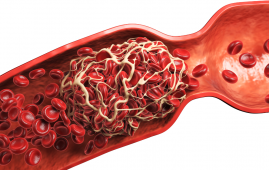 Coffee Consumption Linked to Lower Recurrent VTE Risk
Key points at a glance Study.
 Tirzepatide Weight Loss: Fat Mass and Muscle Findings
Key points Tirzepatide was associated with.
 Dietary Polyphenol Intake Associated With Lower MCI Odds
Key Points Older adults without mild.
 Smoking and Loneliness Linked in Large European Study
Key points: A Europe-wide study of.
 Malaria Vaccination Turns Mosquito Bites Into Immune Boosters
Key takeaways: WEHI researchers developed a.
 Lead Exposure in Indoors and Contamination in Soil
Key Points Lead contamination in soil.
 Drinking Water With Meals Linked to Higher Food Intake
Key Points Summary A new Appetite.
 Cyclosporiasis Risk: Who Faces the Highest Threat?
Key Summary Cyclosporiasis cases are increasing.
 EP2 Receptor Research Opens New Path for Healthy Aging
Key Points Researchers identified the EP2.
 Lifestyle Behaviors and Mood Linked in Daily Life Study
Key Points A 70-day diary study.
Leave a Comment