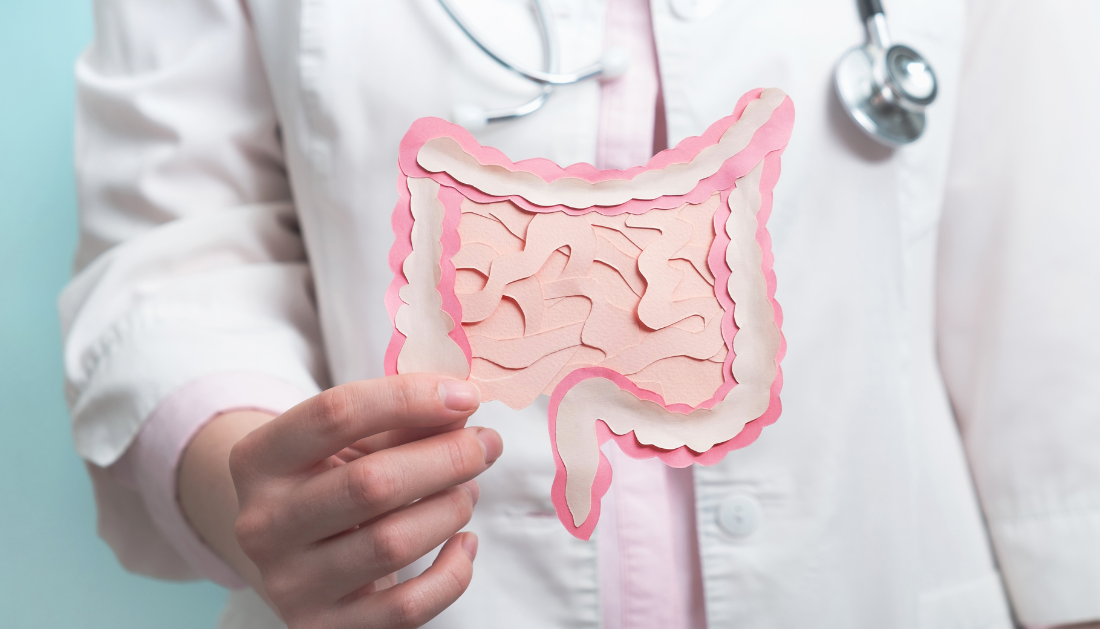
Female Microbiome Influenced by Diet and Smoking

The female microbiome plays a central role in regulating immune, metabolic, and reproductive health. A recent review in Microbial Ecology highlights how modifiable behaviors, diet, smoking, alcohol use, stress, and hygiene directly influence microbial composition across multiple body sites.
The analysis, focused exclusively on women, examined four key microbiome environments: vaginal, gut, oral, and skin. Findings indicate that lifestyle-driven microbial shifts can alter both microbial diversity and function, impacting susceptibility to infections and chronic conditions.
For clinicians and nursing professionals, these insights reinforce the importance of integrating lifestyle assessment into routine care, particularly when managing recurrent infections or inflammatory conditions.
Diet emerged as a major determinant of microbial health, particularly through its influence on the gut-vagina axis. High-fiber diets were associated with favorable microbial profiles, including increased Lactobacillus dominance, which is linked to reduced risk of bacterial vaginosis.
In contrast, alcohol consumption showed an inverse effect. Higher intake was associated with reduced Lactobacillus levels and increased microbial diversity in the vaginal microbiome, a pattern often linked to dysbiosis.
Smoking demonstrated a dose-dependent impact, with chronic exposure reducing beneficial bacteria and increasing inflammatory markers. Additionally, obesity was associated with altered gut microbial ratios, including higher Firmicutes-to-Bacteroidetes levels and reduced beneficial taxa such as Bifidobacterium.
These findings highlight how modifiable risk factors directly influence microbial ecosystems, with implications for both short-term and long-term health outcomes.
Beyond diet and substance use, stress and hygiene behaviors also play critical roles. Elevated stress levels may impair vaginal glycogen availability via cortisol pathways, limiting energy sources for protective microbes like Lactobacillus.
Hygiene practices, particularly the use of vaginal cleansing products, were associated with increased risks of bacterial vaginosis, sexually transmitted infections (STIs), and urinary tract infections (UTIs).
From a clinical perspective, these findings emphasize the need for:
The review also highlights the importance of multi-site microbiome research, as interactions between gut and vaginal microbiota may play a critical role in women’s health outcomes.
As precision medicine continues to expand, understanding the female microbiome offers a pathway toward targeted, patient-specific preventive strategies.

 Brain-Computer Interface Uses EEG in Unresponsive Patients
Key findings at a glance Mind-controlled.
 Gamma Oscillations Restored in Alzheimer’s Disease Mice
Key takeaways Researchers restored parvalbumin (PV).
 Coffee Consumption Linked to Lower Recurrent VTE Risk
Key points at a glance Study.
 Body Roundness Index Linked to Higher Heart Attack Risk
Key findings at a glance Study.
 Maternal Diet Fails to Reduce Infant Egg and Peanut Allergy
Key Points A large Australian randomized.
 Visual Impairment Linked to Higher Dementia Risk
Key findings at a glance A.
 Long-Acting HIV Treatment May Help Drug-Resistant Cases
Key Takeaways A UCSF study found.
 Night Shift Work Alters Key Circadian Gene Expression
A recent study published in Frontiers.
 Tirzepatide Weight Loss: Fat Mass and Muscle Findings
Key points Tirzepatide was associated with.
 Coffee and Gut Microbiome: Brewing and Metabolic Effects
Key Points Coffee contains caffeine, chlorogenic.
Leave a Comment